Donegal Castle – History, Interesting Facts & Travel Tips
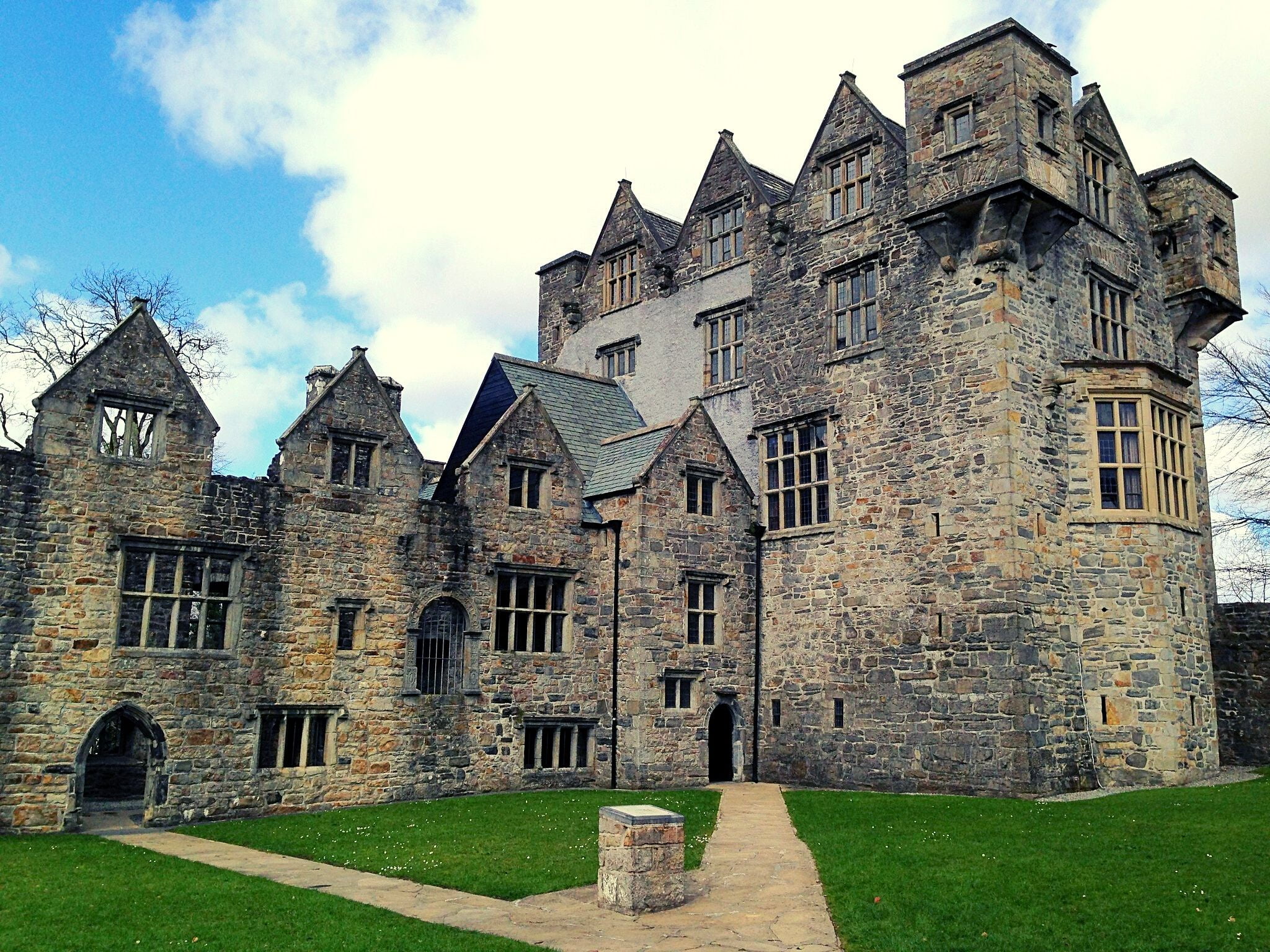
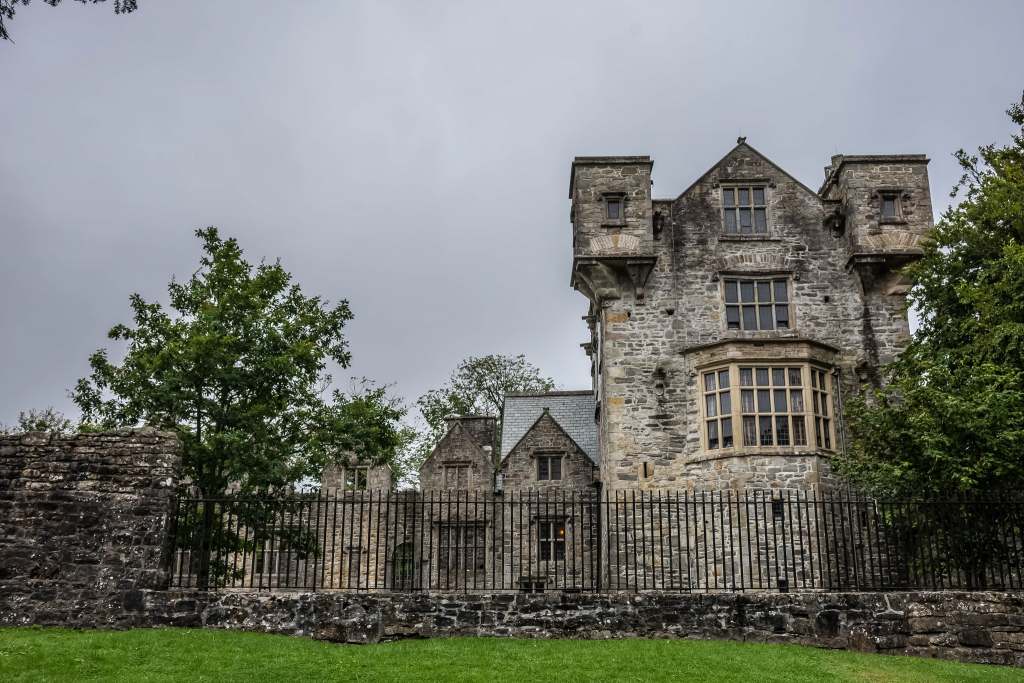
Donegal Castle rises above the River Eske in the center of Donegal Town. The complex brings together a 15th-century Gaelic tower house associated with the O’Donnell lords of Tír Chonaill and a Jacobean manor added after the Plantation of Ulster. Restored in the late 20th century, it is now one of the most rewarding castles in Ireland to visit.
Donegal Castle tells two stories in stone: the power of a Gaelic dynasty and the new architectural language imposed after the Plantation of Ulster.
Frequently Asked Questions
FOR HISTORY | BEAUTIFUL IMAGES | INTERESTING FACTS | TRAVEL TIPS
Early History of Donegal Castle
The O’Donnell Stronghold
The Irish name Dún na nGall means “fort of the foreigners,” but the surviving castle should not be described as a Viking stronghold. It is a late-medieval tower house built for the O’Donnells, the ruling dynasty of Tír Chonaill. From this strategic site beside the River Eske, the family could project authority over a wide region of northwest Ireland.
Heritage Ireland credits Red Hugh O’Donnell with building the fortress in the 15th century. The precise dating is less secure than the old article’s confident claim of 1474, so the broader official date is the safer historical description. The tall rectangular keep formed the heart of a fortified enclosure and contained storage, residential and ceremonial spaces.
Power and Reputation
The O’Donnells were among the most powerful Gaelic families in Ulster. Their territory, Tír Chonaill, covered much of modern County Donegal. Donegal Castle served as an important residence and political center rather than merely a defensive outpost.
English lord deputy Sir Henry Sidney visited the region in 1566 and praised the scale and strength of the O’Donnell castle. His account is valuable evidence of the building’s importance, though later retellings often exaggerate his words into claims that it was unquestionably Ireland’s largest or strongest fortress.
War, Departure and Destruction
At the end of the 16th century, Hugh Roe O’Donnell—often called Red Hugh—became one of the principal Irish leaders in the Nine Years’ War. After the defeat at Kinsale, he traveled to Spain seeking support and died there in 1602. Tradition says he had damaged or burned Donegal Castle before leaving so that it could not be used by English forces. The story remains part of the site’s official interpretation, but it is best understood as a traditional account rather than a fully documented event.
The Flight of the Earls followed in 1607, when Hugh O’Neill, Rory O’Donnell and other nobles left Ireland. That event accelerated the collapse of Gaelic political power in Ulster and paved the way for the Plantation.
Sir Basil Brooke and the Jacobean Manor
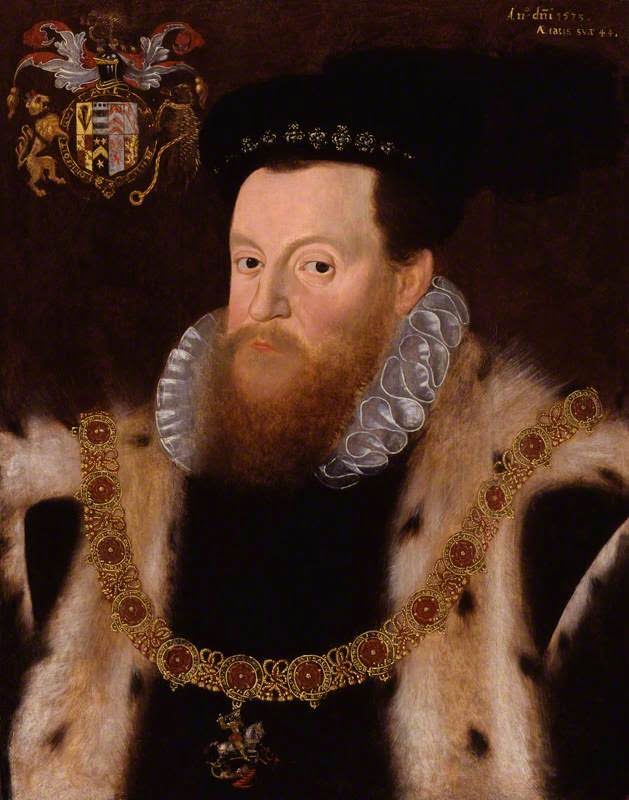
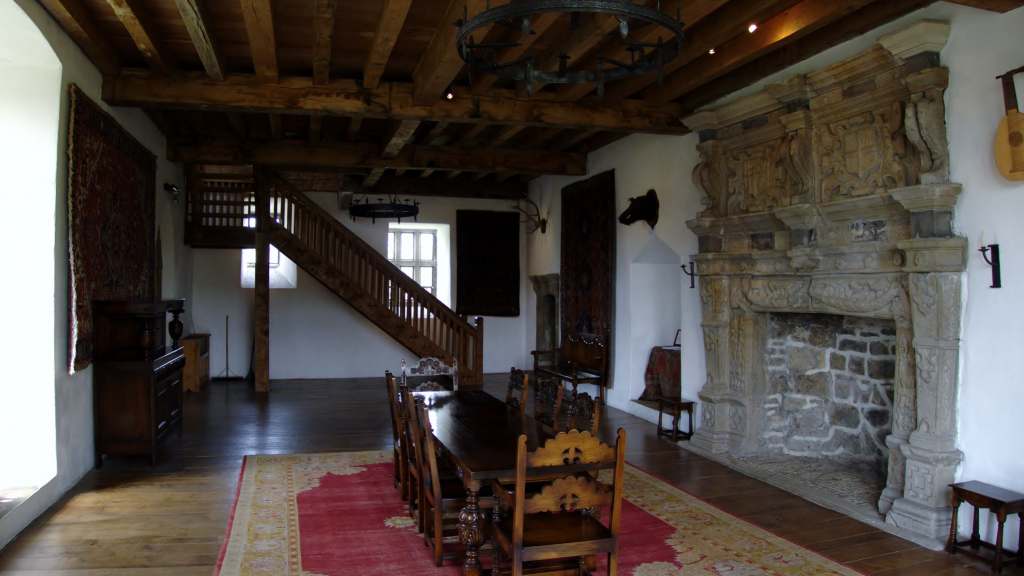
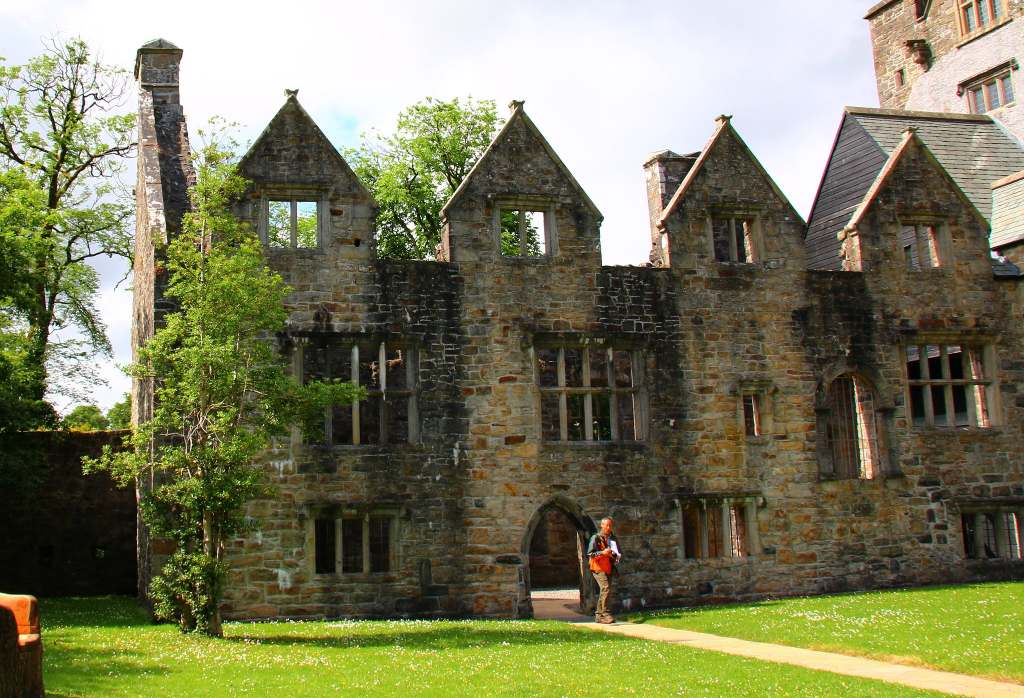
English captain Sir Basil Brooke received Donegal Castle in 1616. He repaired the tower house and built a substantial manor beside it. The new wing introduced Jacobean features, including large windows and a richly carved chimneypiece decorated with fruit and Brooke’s coat of arms. The addition did not preserve the castle’s “original Jacobean style”—as the previous article claimed—because the Gaelic tower house was already more than a century old.
Revisit More Historic Places Below or Read Further

Decline and Restoration
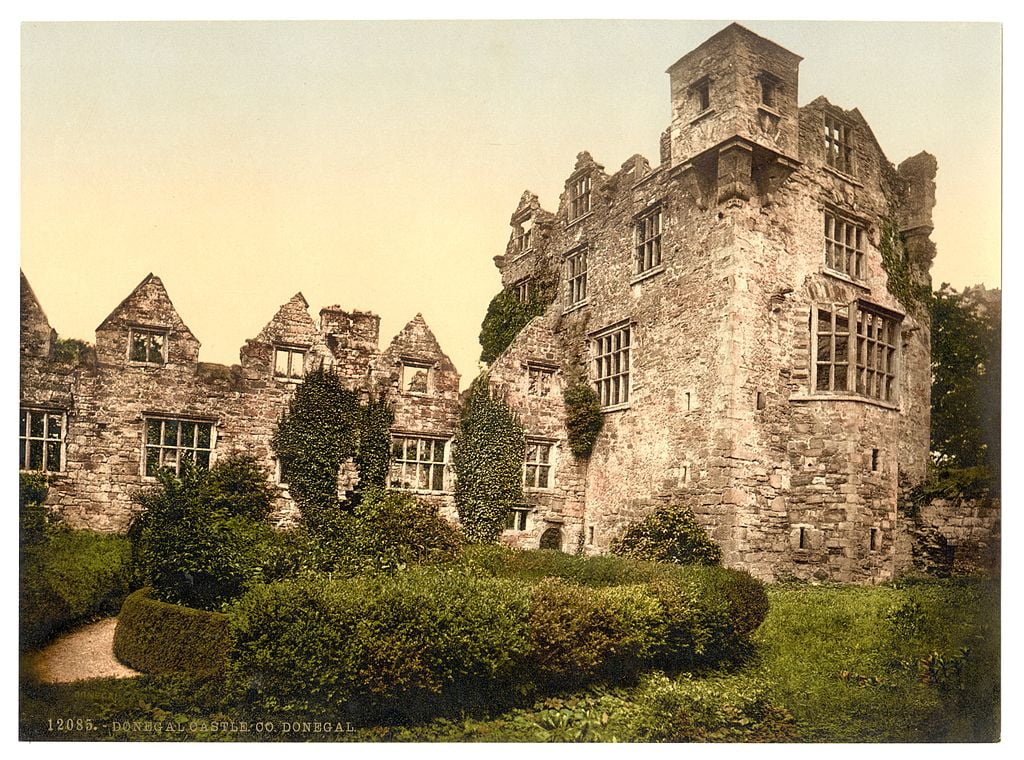
Donegal Castle gradually fell into ruin after the Brooke era. In 1898, the Earl of Arran placed the property in the care of the Office of Public Works. The handover protected the monument, but the dramatic restoration visible today occurred much later, during a major conservation campaign in the 1990s.
The restored complex allows visitors to compare the thick-walled Gaelic keep with Brooke’s more outward-looking manor. Its timber roof, stone vaults, winding stairs and elaborate chimneypiece reveal how the building changed from a medieval lordship center into an early modern residence. Interpretation panels explain its different owners and the wider political upheaval that reshaped Ulster.
Interesting Donegal Castle Facts
- The complex combines two distinct buildings: a Gaelic tower house and a 17th-century Jacobean manor.
- Its location in central Donegal Town still overlooks the River Eske, which helped define the medieval settlement.
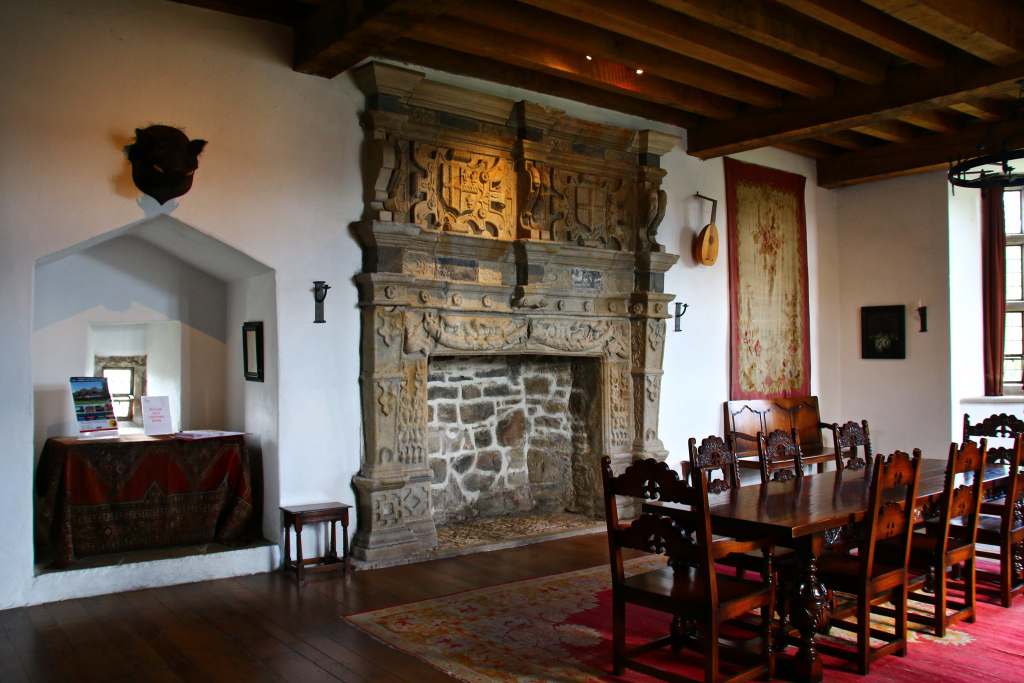
- Sir Basil Brooke’s chimneypiece displays carved fruit and his family coat of arms.
- The castle entered state care in 1898 but received its transformative restoration in the 1990s.
- The uneven spiral stairs are authentic historic features, but the popular claim that a deliberately irregular “trip step” was designed to catch attackers is not supported strongly enough to present as fact.
Visiting Donegal Castle – Tips and Practical Information
Getting to Donegal Castle
Donegal Castle is on Castle Street in the center of Donegal Town, so it is easy to reach on foot from the town’s bus stops, shops and accommodation. The official address is Castle Street, Donegal, County Donegal, F94 P996. If arriving by car, use a public town-center car park and check local parking restrictions rather than expecting dedicated castle parking.
Long-distance bus schedules and fares change seasonally. Check the relevant operator shortly before travel, especially if you are planning a same-day return from Dublin, Galway, Sligo or Derry.
Tickets and Opening Hours
Reviewed September 2026: Heritage Ireland lists Donegal Castle as open year-round, daily from 9:00 am to 6:00 pm, with last admission at 5:15 pm. Current admission is €5 for adults, €4 for groups and seniors, €3 for children and students, and €13 for families.
The official facilities list includes card payments, an exhibition, guided tours and toilets. Access is limited in parts of this historic building, so visitors with mobility requirements should contact the site before traveling. Allow roughly 45–75 minutes for a comfortable visit, longer if you join a guided tour or study the interpretation panels closely.
Practical Tips
- Wear shoes with a secure grip: historic stairs and stone surfaces can be uneven.
- Ask on arrival about guided-tour availability; tours may depend on staffing and visitor numbers.
- Combine the castle with a walk around Donegal Town and the nearby ruins of Donegal Abbey.