Ross Castle – A Gaelic Stronghold on Lough Leane
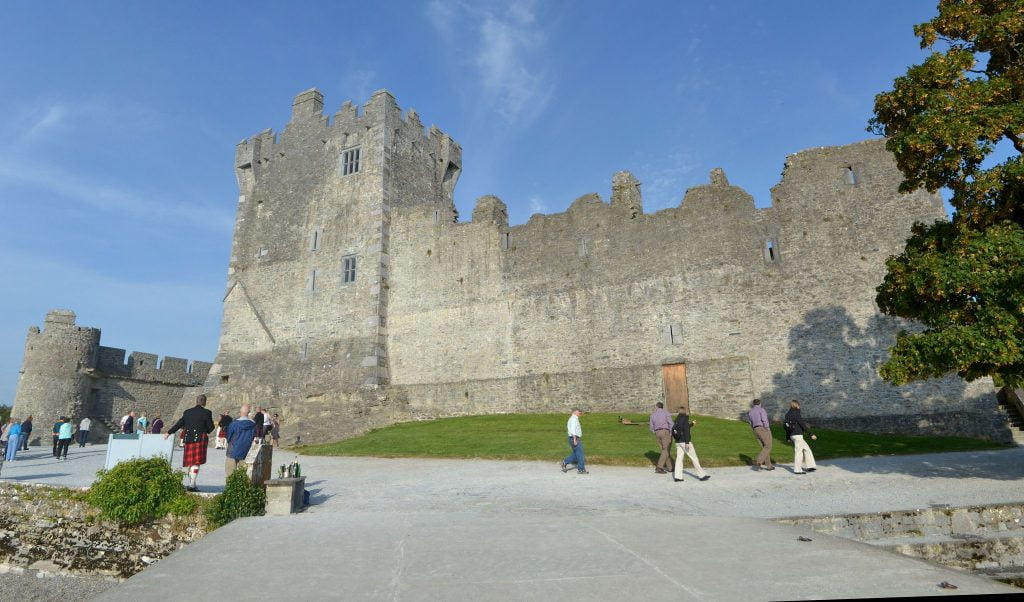
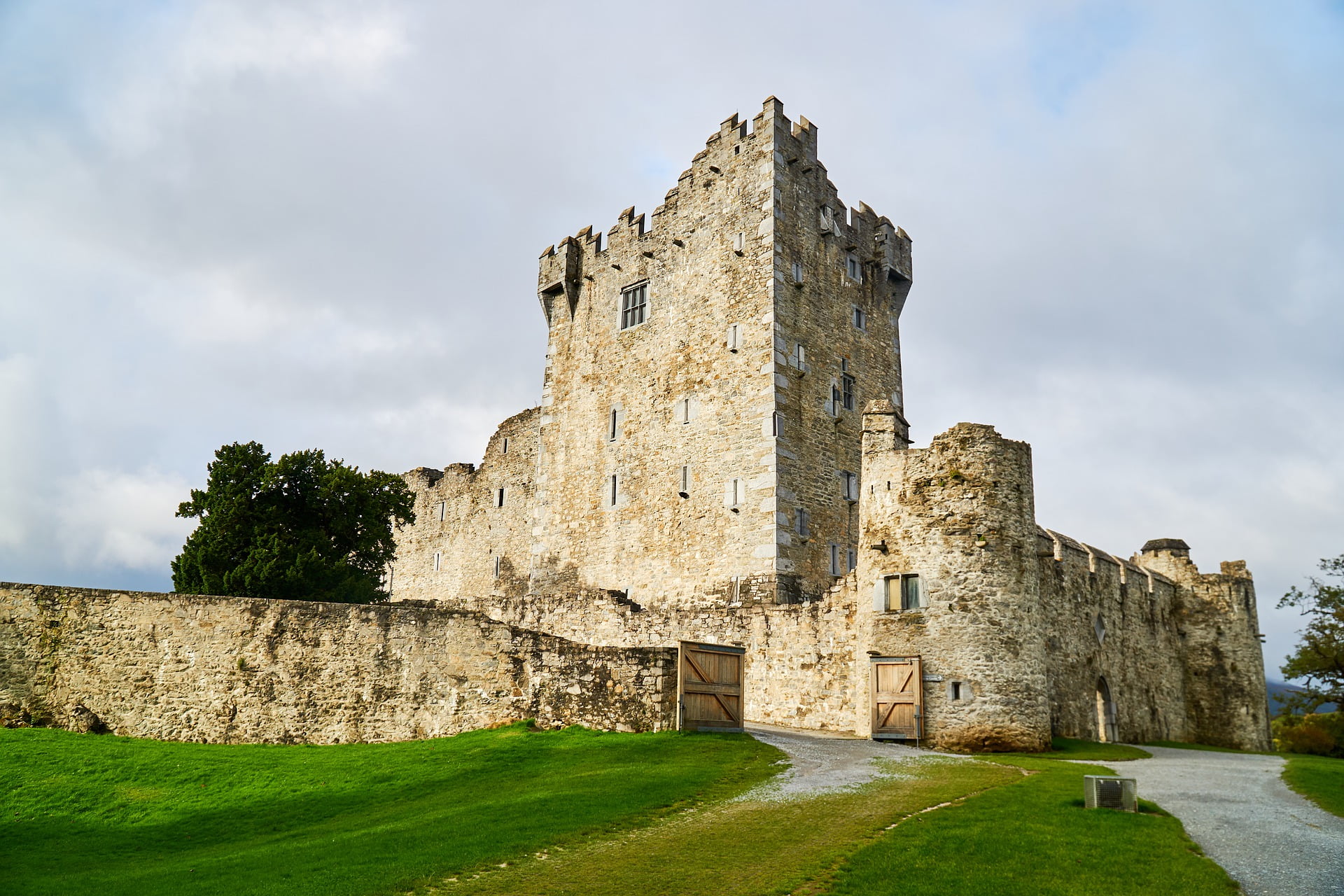
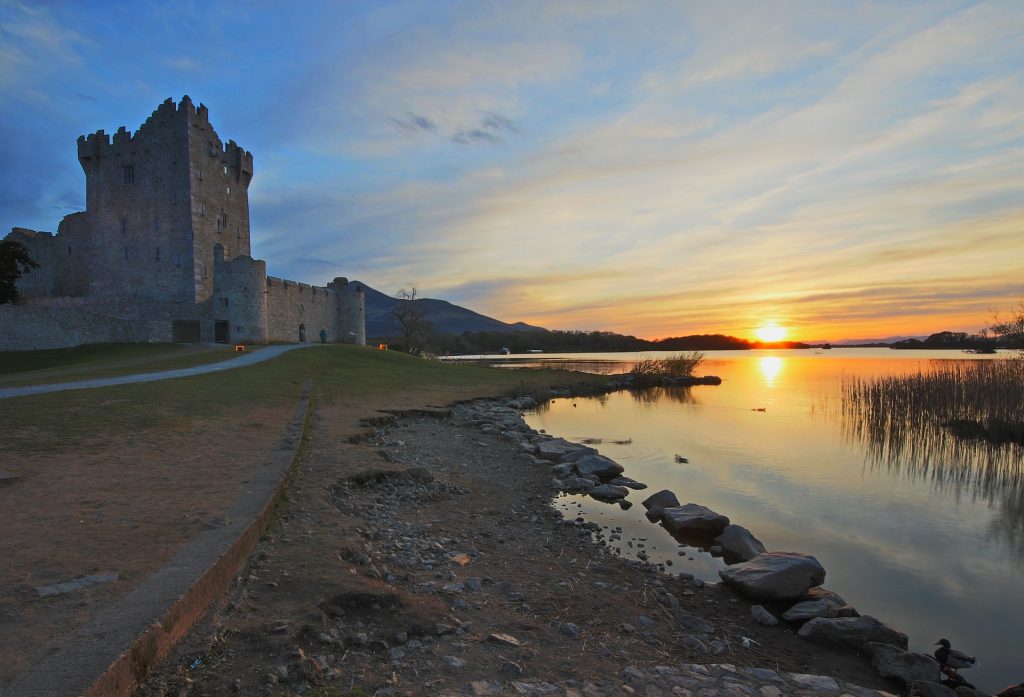
Ross Castle rises directly from the edge of Lough Leane, where its tall central tower, defensive wall and mountain backdrop create one of Killarney National Park’s defining views. The building began as a fortified home for a Gaelic lord rather than as a vast royal palace.
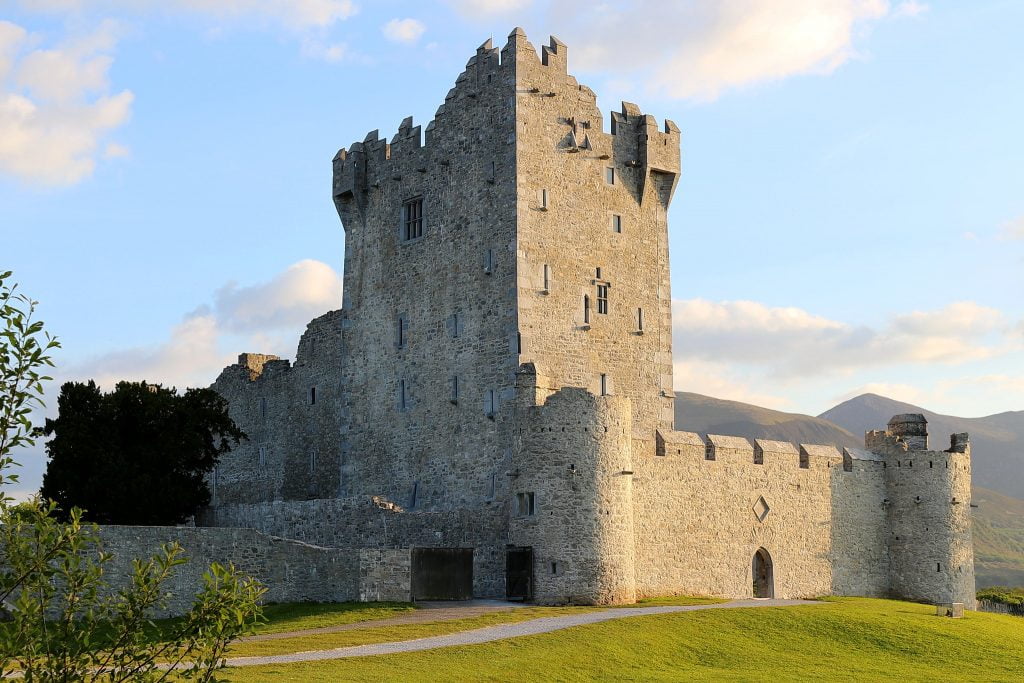
Heritage Ireland attributes the 15th-century tower house to O’Donoghue Mór. Its thick walls, narrow entrance, corner turrets and enclosed bawn helped protect both the family and the lordship at a time of intense regional rivalry.
The castle later became famous as one of Munster’s last strongholds against Parliamentarian forces in 1652. Its surrender is inseparable from a prophecy about ships, while the lake itself remains the setting for the legend of the sleeping O’Donoghue.
Ross Castle combines the compact strength of a Gaelic tower house with the legends and landscape of Lough Leane.
Frequently Asked Questions
FOR HISTORY | BEAUTIFUL IMAGES | INTERESTING FACTS | TRAVEL TIPS
History of Ross Castle
An O’Donoghue Tower House
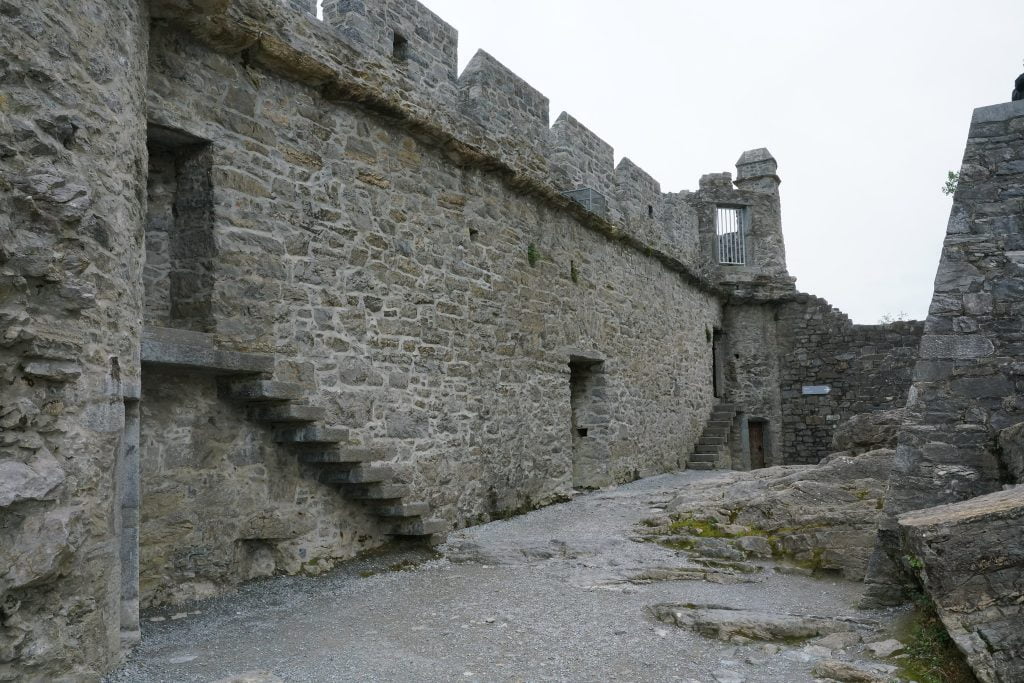
Ross Castle was probably built in the 15th century by O’Donoghue Mór, chief of the local O’Donoghues. The central tower house provided several levels of living and defensive space, while the surrounding bawn enclosed service buildings and created an additional barrier around the residence.
Projecting corner turrets, narrow openings and machicolations allowed defenders to watch and protect the walls. Inside, the arrangement moved from secure storage and guard spaces on lower levels to the principal hall and private rooms above.
MacCarthy and Browne Connections
Control of the castle changed during the upheavals of the late 16th and early 17th centuries. It became linked to the MacCarthy Mór dynasty and later to the Brownes of Killarney, ancestors of the Earls of Kenmare.
These changes placed Ross Castle within the larger struggle between Gaelic lordships, English settlement and competing claims to land in Kerry.
The 1652 Surrender
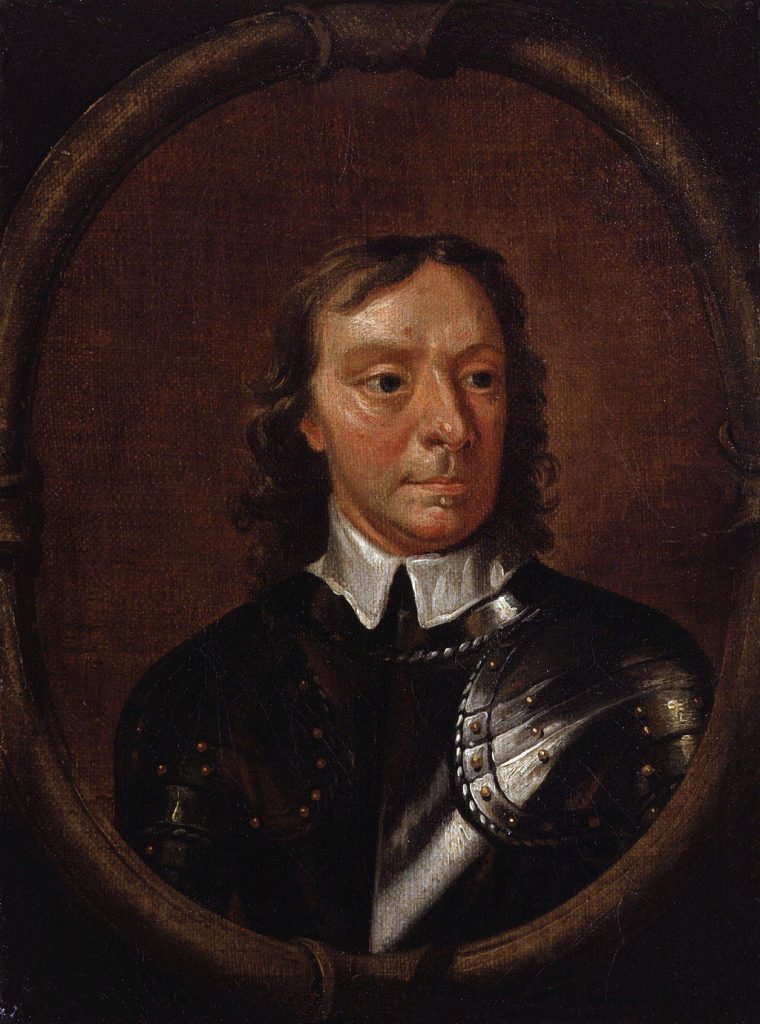
During the Cromwellian conquest of Ireland, Ross Castle was one of the last positions in Munster to hold out. Lord Muskerry commanded the defenders, while General Edmund Ludlow led the Parliamentarian force. Oliver Cromwell was central to the wider campaign but did not personally command this siege.
Tradition held that Ross could not fall until a ship appeared on the lake. Ludlow had a large boat brought to Lough Leane; when the garrison saw it, the prophecy seemed fulfilled and the appearance of waterborne artillery helped hasten surrender. The story blends military reality with local folklore.
Barracks, Decline and Restoration
After the conquest, Ross was adapted as an English military barracks. Soldiers occupied the site into the 19th century, and the tower house lost much of its domestic character.
Modern conservation and restoration returned roofs, floors and reconstructed interiors to the tower. These works allow visitors to understand how a prosperous Gaelic household used the vertical spaces of a fortified residence.
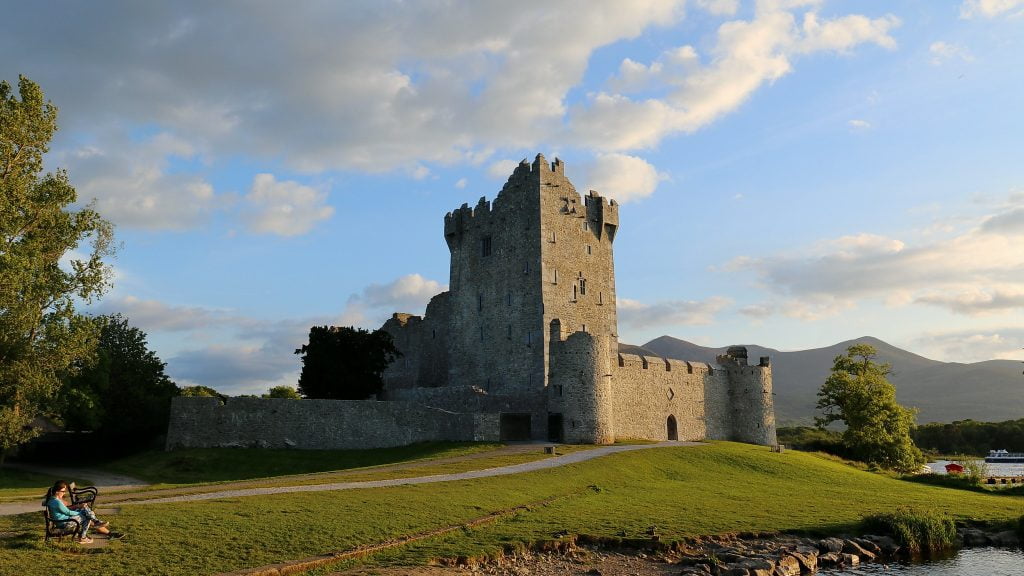
Revisit More Historic Places Below or Read Further
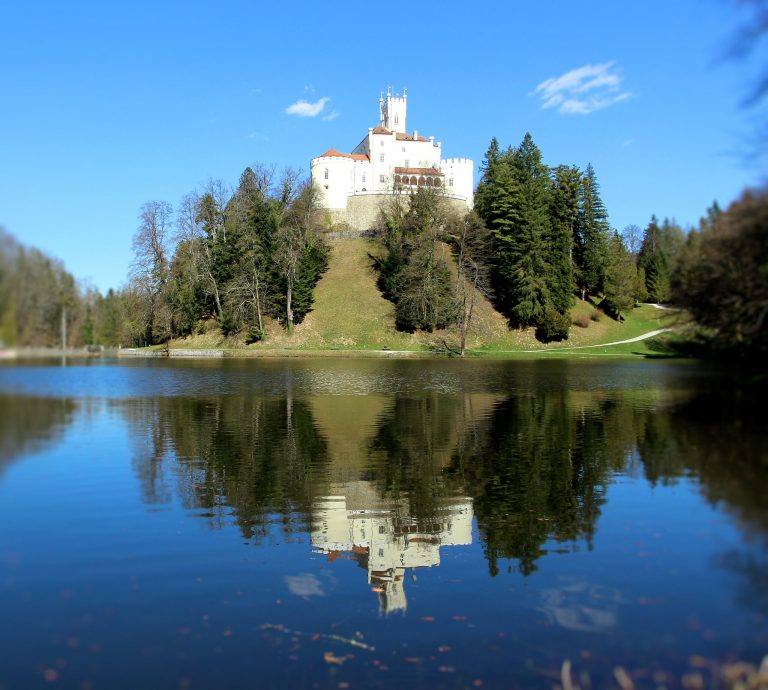
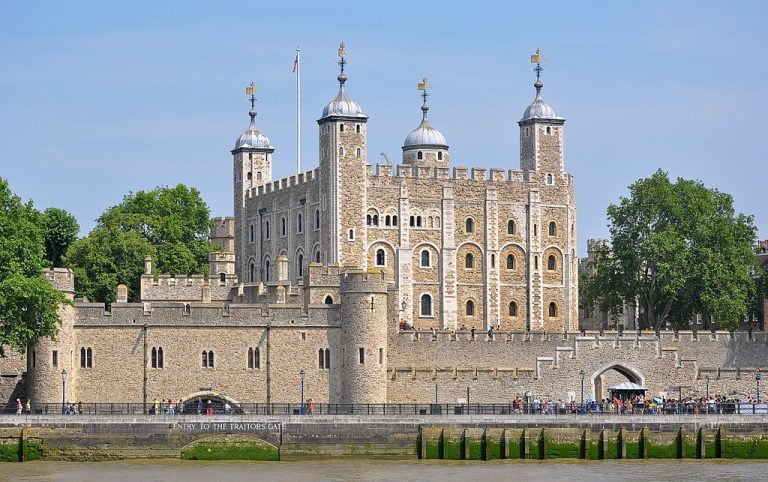
Ross Castle Today
Ross Castle is managed by Ireland’s Office of Public Works and opens seasonally for guided tours. Its setting within Killarney National Park also makes the exterior a year-round landmark for walkers, cyclists and visitors taking boats on Lough Leane.
The official interpretation keeps history and legend distinct. The 1652 campaign is documented, while the tale of O’Donoghue beneath the lake belongs to the rich folklore that gives the site much of its atmosphere.
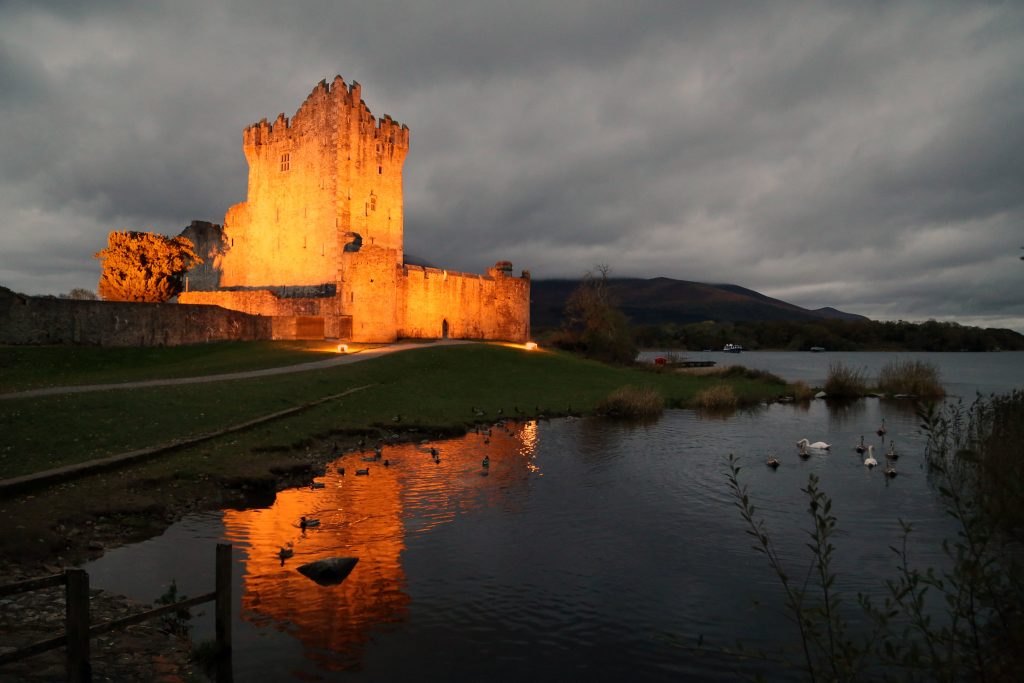
Interesting Facts About Ross Castle
- Ross Castle is a 15th-century Gaelic tower house with a fortified bawn.
- It stands in an inlet of Lough Leane within Killarney National Park.
- O’Donoghue Mór is the most likely builder named by Heritage Ireland.
- The castle became associated with the MacCarthy Mór and Browne families.
- Lord Muskerry’s garrison surrendered to General Edmund Ludlow in 1652.
- After the conquest, the complex developed into an English military barracks.
- The legend of O’Donoghue says he sleeps beneath the lake and occasionally rides across its waters on a white horse.
Visiting Ross Castle: Practical Information
Getting to Ross Castle
Ross Castle is roughly two kilometres from Killarney town centre. It can be reached by car, bicycle or on foot through the national park, and parking is available near the visitor area.
Local bus and taxi services also operate from Killarney. Journey times are usually short, but routes and fares vary; check the Transport for Ireland journey planner or obtain a current taxi quote before travelling.
Tours and Seasonal Opening
Information was checked & updated on September 7, 2026.
For 2026, Ross Castle is open daily from March 5 to November 3, from 09:30 to 17:00. The first guided tour begins at 10:00 and the last at 16:55. Interior access is by guided tour only, places are first come, first served and each tour is limited to 15 people.
Admission costs €5.00 (approximately $5.80 USD) for adults, €4.00 (approximately $4.60 USD) for groups and seniors, €3.00 (approximately $3.50 USD) for children and students, and €13.00 (approximately $15.10 USD) for a family. The lakeshore and national-park grounds remain separate from the ticketed interior.
An annual OPW Heritage Card includes Ross Castle and other participating state-managed sites. Current prices are €40.00 (approximately $46.50 USD) for adults, €30.00 (approximately $34.90 USD) for seniors, €10.00 (approximately $11.60 USD) for students or children aged 12–18, and €90.00 (approximately $104.60 USD) for a family card.
How Long Should You Spend Here?
Allow around 60 to 90 minutes for a guided tour and the lakeside exterior. Add extra time for park walks, a boat trip or a visit to nearby Innisfallen Island.
Practical Tips
- Arrive early in summer because guided tours cannot be reserved individually and queues may form.
- Use the handrails and expect steep, narrow stairs inside the tower house.
- Bring rain protection even when the forecast looks settled.
- Keep dogs on a lead and follow national-park rules around wildlife and lakeside paths.
- Boat services are separate businesses; check departure times and weather conditions directly with the operator.