Heidelberg Castle – Renaissance & Ruins (History & Travel Tips)
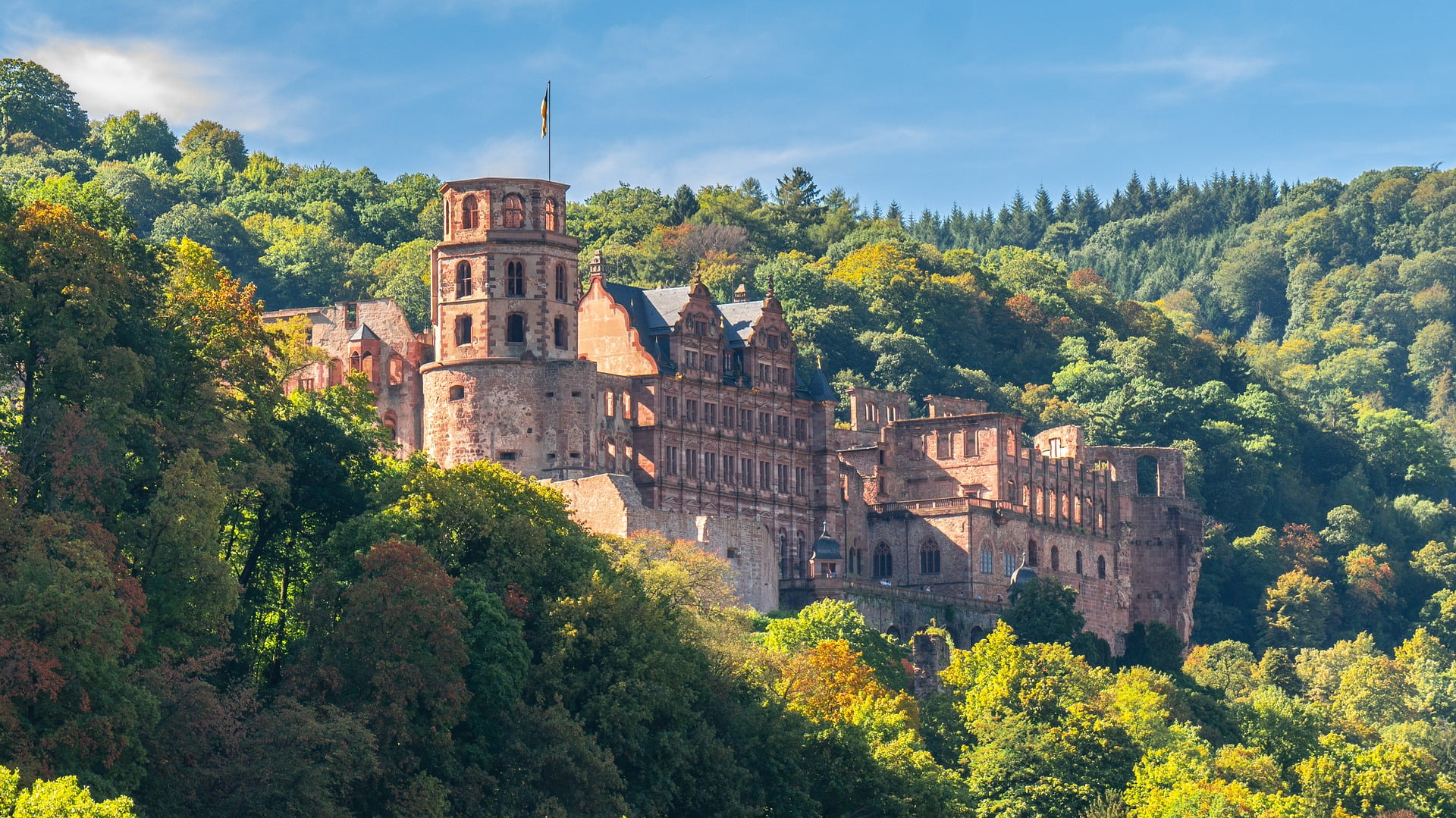
Heidelberg Castle rises above the Neckar valley in Baden-Württemberg and brings together more than 800 years of defensive, residential and artistic architecture. The site is first documented as a castle in 1225, while the moneumental Renaissance façades that now define the complex were added centuries later.
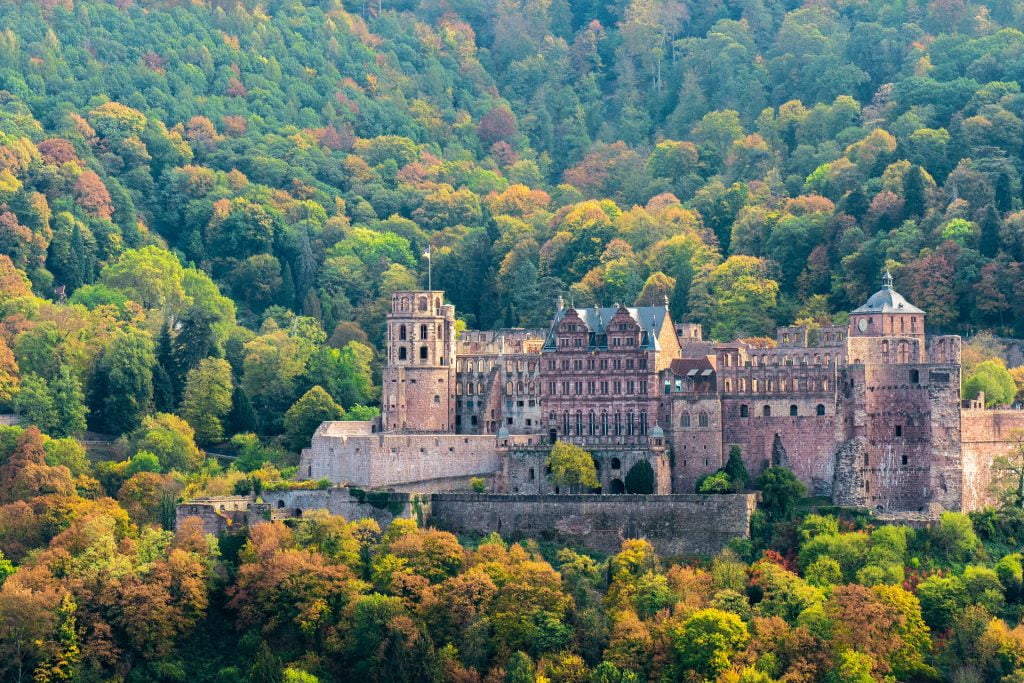
French attacks in 1689 and 1693, followed by lightning-caused fires in 1764, left large parts of the palace in ruins. Rather than rebuilding the entire complex, 19th-century preservationists and Romantic writers helped turn the ruin itself into part of Heidelberg’s strongest identity.
Heidelberg Castle became famous not because it survived intact, but because war, lightning and Romantic-era preservation left one of Europe’s most evocative combinations of Renaissance architecture and monumental ruins.
Frequently Asked Questions
FOR HISTORY | BEAUTIFUL IMAGES | INTERESTING FACTS | TRAVEL TIPS
Early History
Origins and Medieval Expansion
Heidelberg became an important Palatine seat in the High Middle Ages. The official castle authority dates the first written mention of the castle to 1225. By 1303, records distinguish between an upper castle near today’s Molkenkur and a lower castle at the site of the present complex.
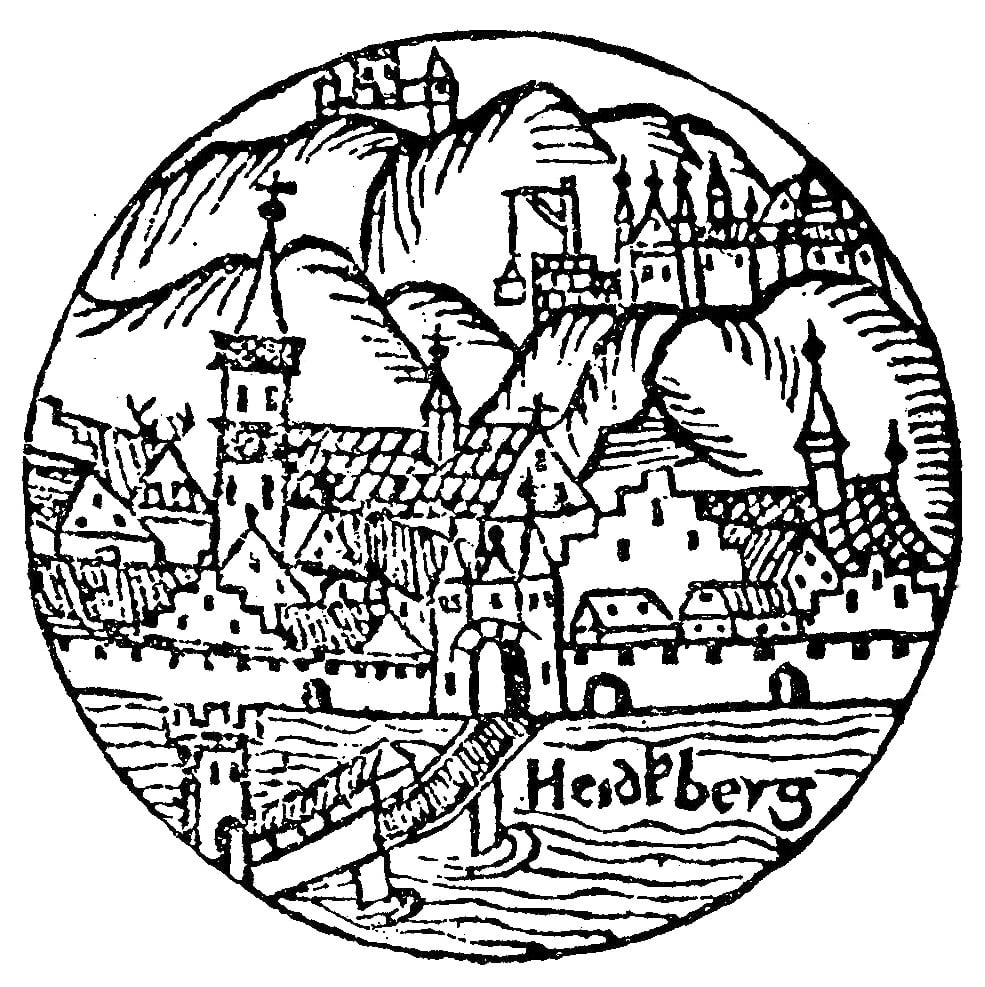
From Medieval Castle to Renaissance Palace
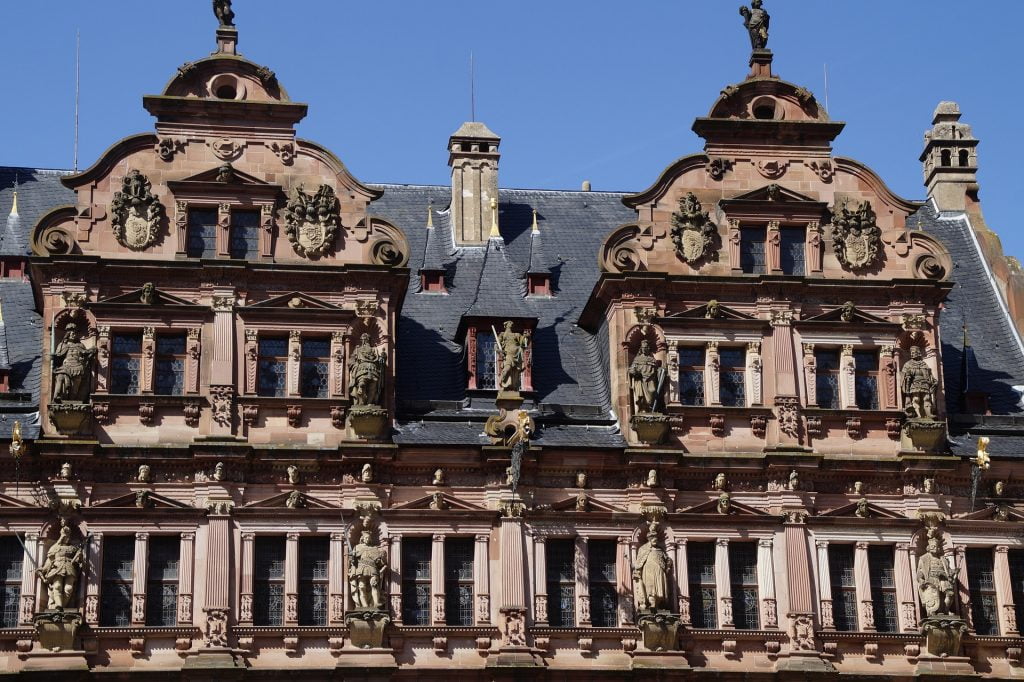
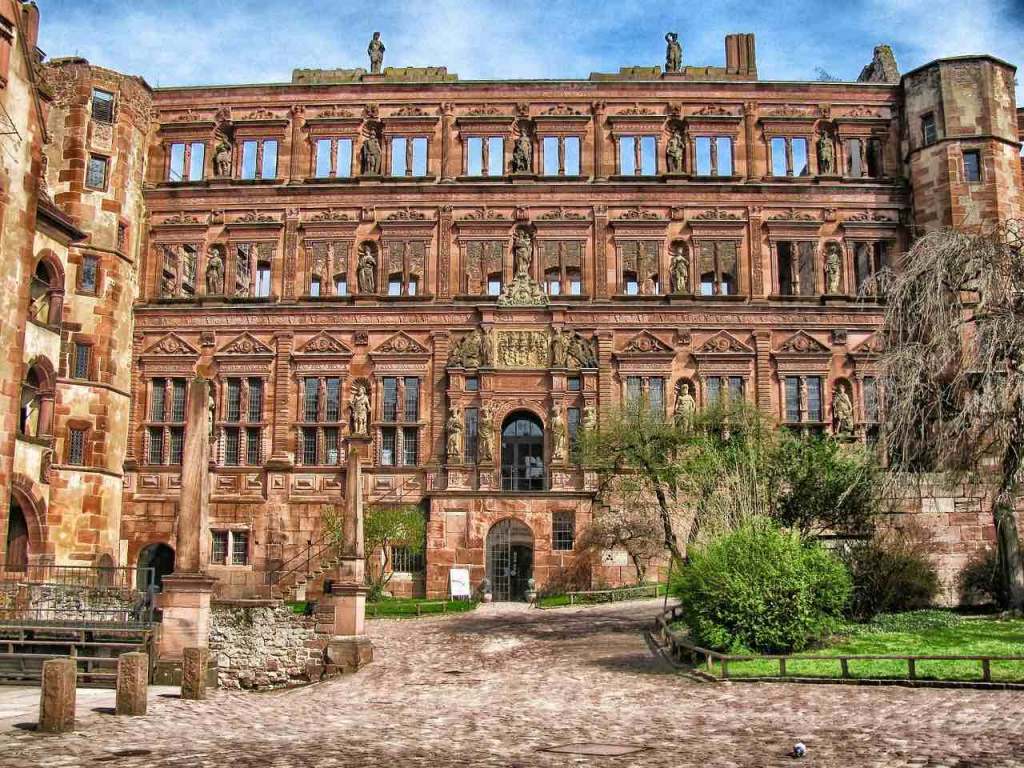
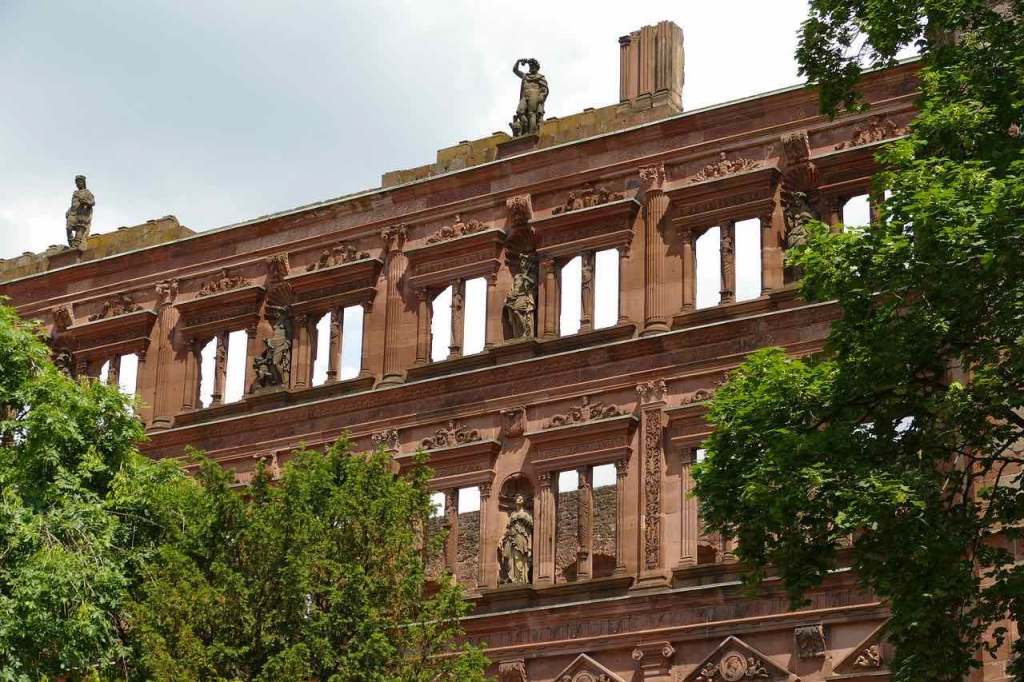
The palace grew in stages rather than from a single design. Ruprecht III expanded the residence after becoming King of the Romans in 1400. In the 16th century, Ottheinrich created one of Germany’s earliest monumental Renaissance palace fçades. Friedrich IV followed with the richly sculpted Friedrichsbau at th start of th 17th century.
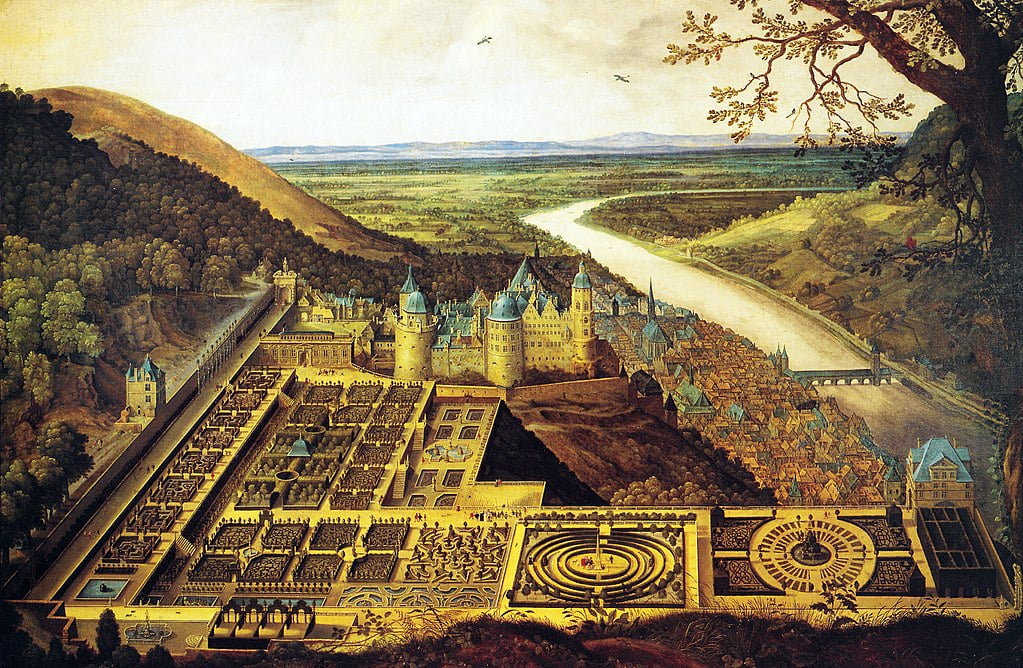
Friedrich V — the “Winter King” of Bohemia — also reshaped the castle for his marriage to Elizabeth Stuart. The Englischer Bau and the Elisabethtor belong to this period. The popular story that the gate was built overnight as a surprise for Elizabeth is best treated as a romantic tradition rather than a verified construction record.
The Thirty Years’ War
In 1619, Friedrich V accepted the Bohemian crown from the rebellious Bohemian estates. This drew him deeply into the conflict that became the Thirty Years’ War, but the war had deeper religious, dynastic and imperial causes and cannot be reduced to a single decision. Friedrich’s short reign in Bohemia ended after his defeat at the Battle of the White Mountain in 1620.
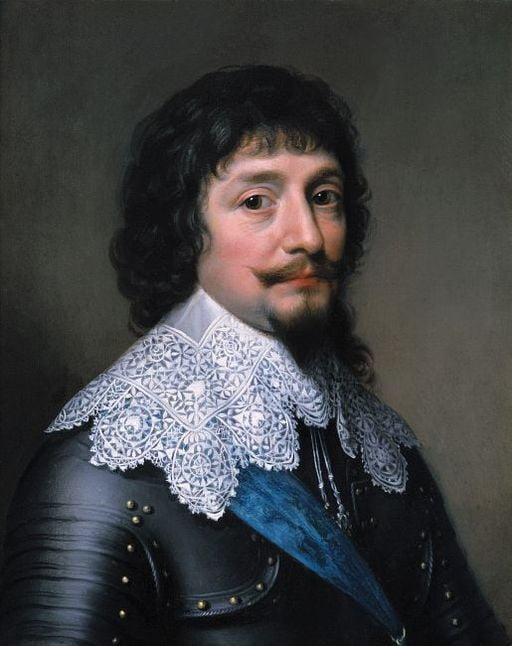
Tilly’s Catholic forces captured Heidelberg in 1622. The city and castle changed hands more than once during the long war before the Peace of Westphalia restored the Electoral Palatinate to Friedrich’s son, Karl Ludwig, after 1648.
Destruction in the Nine Years’ War
After the Palatine-Simmern line ended in 1685, Louis XIV of France asserted claims connected to his sister-in-law, Elisabeth Charlotte of the Palatinate. The succession dispute helped feed the Nine Years’ War. French forces damaged Heidelberg in 1689 and destroyed much of the castle and town in 1693.
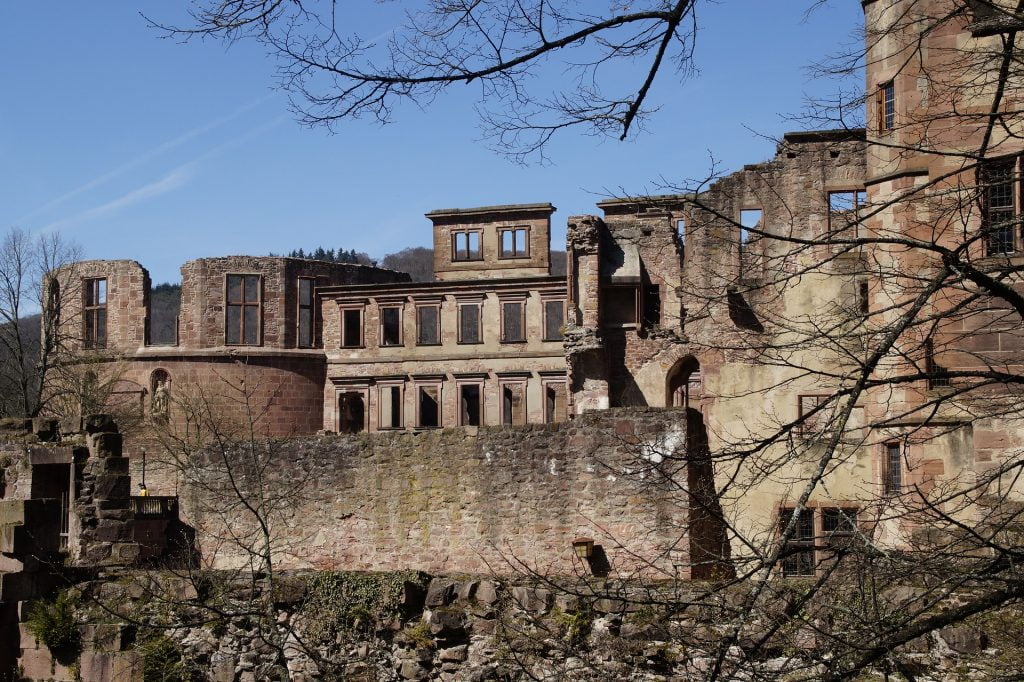
The castle was partially repaired after the war, but a violent thunderstorm in 1764 struck the complex twice, causing fires that destroyed newly rebuilt roofs and interiors. Major reconstruction never resumed, and the ruin gradually became a celebrated symbol of German Romanticism.
From Ruin to Romantic Icon
Interest in preserving Heidelberg’s ruins increased during the late 18th and 19th centuries. Charles de Graimberg, a French emigré, dedicated much of his life to documenting and protecting the site. Writers and artists including Victor Hugo and Mark Twain helped spread Heidelberg’s image as the romantic Garman ruin around the world.
Heidelberg Castle Today
Today, the site is managed by Baden-Württemberg’s State Palaces and Gardens. The courtyard, Great Tun, German Apothecary Museum, gardens and selected interiors can be visited. The site attracts around one million visitors a year.
Interesting Heidelberg Castle Facts
- The Heidelberg Tun – or Great Task – is a vast wine barrel from 1751, built to hold wine collected as a tax from the Palatinate.
- Victor Hugo and Mark Twain both wrote about Heidelberg and its castle ruins.
- The Elisabethtor is linked to a long-standing legend that Friedrich V had it erected overnight for his bride, Elizabeth Stuart.
- The castle garden, the Hortus Palatinus, was planned as one of the most ambitious Renaissance gardens in Europe but was never fully completed.
Visiting Heidelberg Castle – Tips and Practical Information
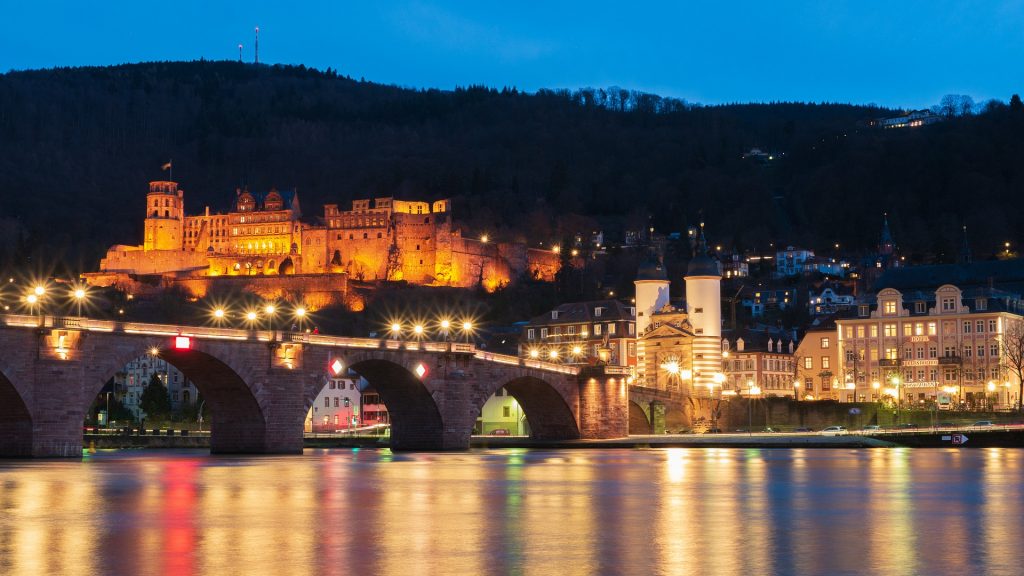
Heidelberg Castle is easy to combine with a visit to the old town. The Kornszarkt funicular runs from the city centre to the castle and then continues up the Königstuhl. The standard castle ticket includes the return funicular trip between Kornmarkt and the castle.
2026 Ticket Prices and Opening Hours
Information reviewed in September 2026.
The published 2026 Palace Ticket is €11 for adults and €5.50 at the reduced rate. It includes the return funicular journey between Kornmarkt and the castle, entry to the castle courtyard, the Great Tun and the German Apothecary Museum. The castle courtyard is normally open daily from 9:00 to 18:00, with last admission at 17:30.
The furnished rooms are accessible only on a guided tour. The published tour supplement is €6 for adults, €3 reduced or €15 for a family ticket. Tour times and the Apothecary Museum’s hours vary by season, so check the official schedule before your visit.
How Long Should You Spend at Heidelberg Castle?
Allow around two hours for the courtyard, Great Tun, museum and viewpoints. Add extra time if you book an interior tour, walk the gardens extensively or continue the funicular to the Königstuhl summit.
Visiting Tips
- The castle has limited parking; the funicular from the old town is usually the simplest approach.
- The gardens and terraces are worth allowing extra time for even if you do not take a guided interior tour.
- The annual castle illuminations and fireworks are popular events, but dates change; verify the current programme before planning around them.