Which European Country Has The Most Medieval Castles?
Europe is famous for its castles, but answering which country has the most medieval castles is harder than it sounds. Different heritage bodies count castles differently: some include ruins, fortified manor houses and later residences, while others count only surviving medieval fortifications.
Wales nevertheless stands out for an extraordinary concentration of castles. Cadw, the Welsh Government’s historic environment service, describes Wales as the ‘land of castles’ and cites hundreds of castle sites across a relatively small country. Rather than claiming a precise European league-table position that cannot be measured consistently, it is safer to say that Wales has one of the highest concentrations of castles in Europe.
Frequently Asked Questions
Where is Wales?
Wales is a country within the United Kingdom, occupying the western side of Great Britain. It is not a sovereign state, as the earlier version of this article incorrectly stated.
How many castles does Wales have?
There is no universally agreed total because definitions vary. Cadw currently refers to 427 castles in one overview, while another Cadw feature uses the often-quoted figure of more than 600 castle sites. The difference illustrates why castle-count comparisons between countries should be treated cautiously. Cadw itself cares for 44 castles.
Which is the oldest major Norman stone castle in Wales?
Chepstow Castle is one of the earliest Norman strongholds in Wales. Building began in 1067 under William fitz Osbern, and Cadw describes it as the oldest surviving post-Roman stone fortification in Britain.
Which is the largest castle in Wales?
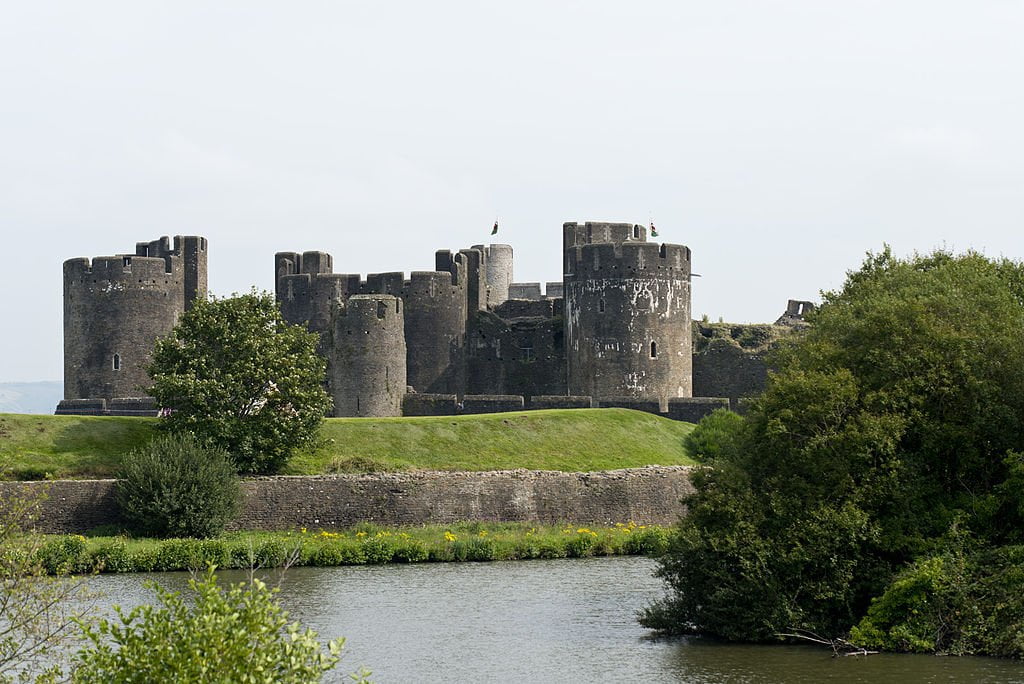
Caerphilly Castle, begun in 1268 by Marcher lord Gilbert de Clare, is the largest castle in Wales. Its walls, towers, gatehouses and extensive water defences cover about 30 acres. It is also an important example of medieval castle design and architecture.
Eight Medieval Castles in Wales
1. Abergavenny Castle
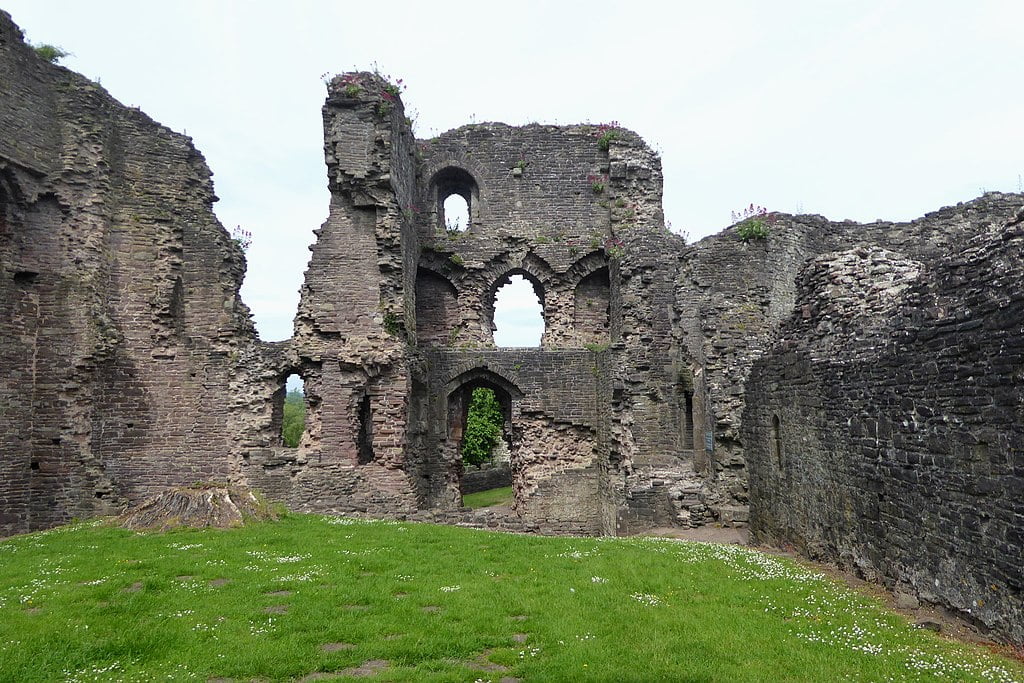
Abergavenny Castle originated as a Norman motte-and-bailey fortress in the late 11th century. It was repeatedly attacked and rebuilt during struggles between Anglo-Norman lords and Welsh rulers. Much of what survives is ruinous; the building on top of the motte is a later 19th-century structure rather than a surviving medieval keep.
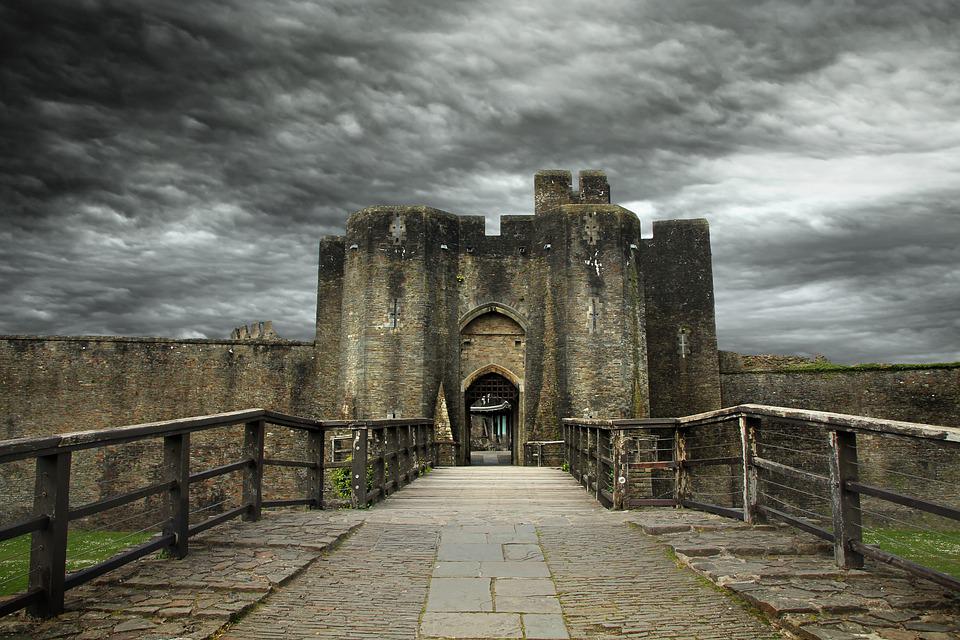
2. Caerphilly Castle
Caerphilly Castle was begun in 1268 by Gilbert de Clare, not by the Prince of Wales as the previous version stated. De Clare built it in response to the growing power of Llywelyn ap Gruffudd, who twice attempted to disrupt its construction. Caerphilly became one of Britain’s great concentric fortresses, combining multiple defensive lines with enormous artificial lakes.
After Llywelyn’s death, its military importance declined and parts of the complex became more palatial. Hugh Despenser later remodelled the Great Hall. Cadw completed major conservation and visitor improvements to the inner castle in 2025, and further conservation work has continued.
3. Barry Castle
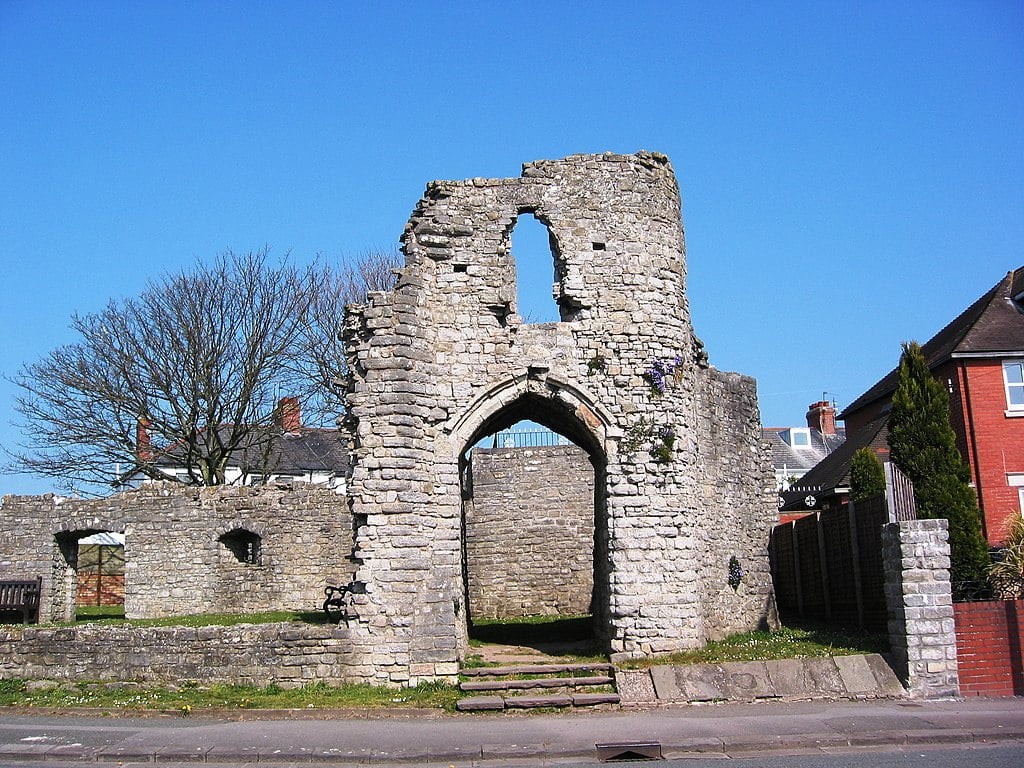
Barry Castle developed as a medieval residence associated with the de Barry family. The surviving remains are limited, but the site preserves part of a later medieval gatehouse and hall range. The earlier article’s claim that the castle was built directly on Roman foundations is not sufficiently established and has been removed.
4. Cardiff Castle
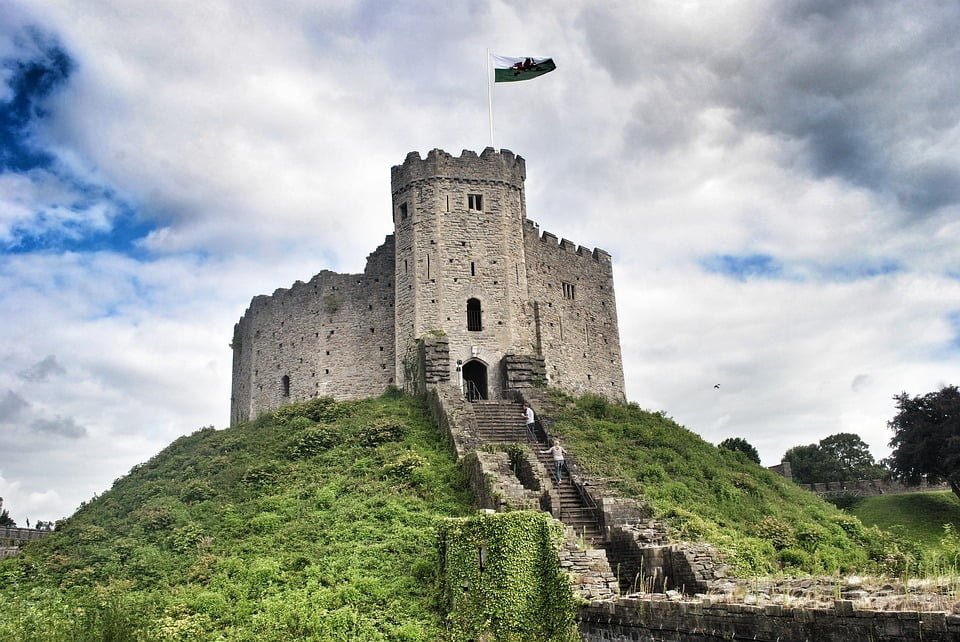
Cardiff Castle occupies a site with a much older Roman history, but the castle itself does not date to AD 55. A Roman fort preceded the medieval castle; after the Norman conquest, a motte-and-bailey castle was established within the former Roman defences. Later medieval and Victorian rebuilding created the complex seen today. For more Welsh examples, see our guide to the best castles in Wales.
5. Flint Castle
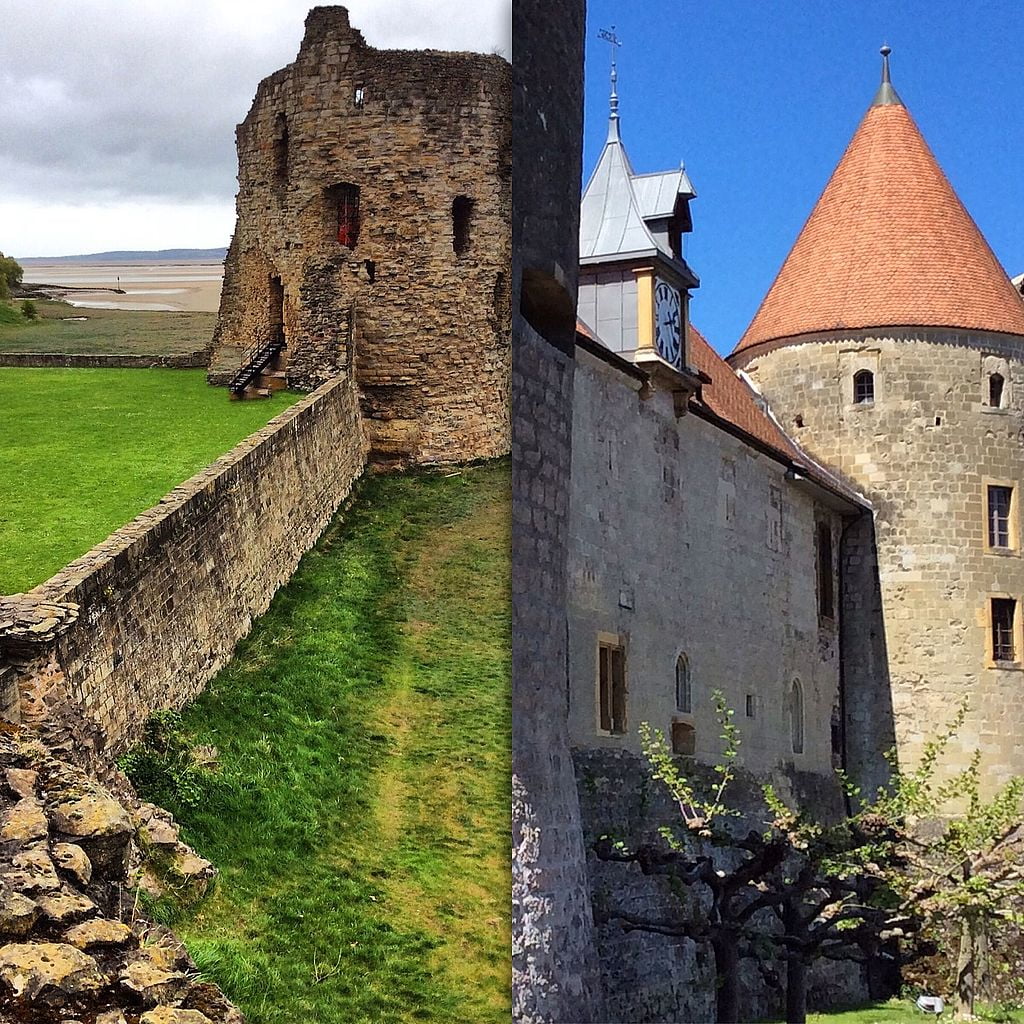
Flint Castle was begun in 1277 for Edward I of England as the first castle in his major campaign of conquest in Wales. Its unusual layout includes a large detached donjon. Flint later became associated with the downfall of Richard II, who met Henry Bolingbroke there in 1399 before losing his throne.
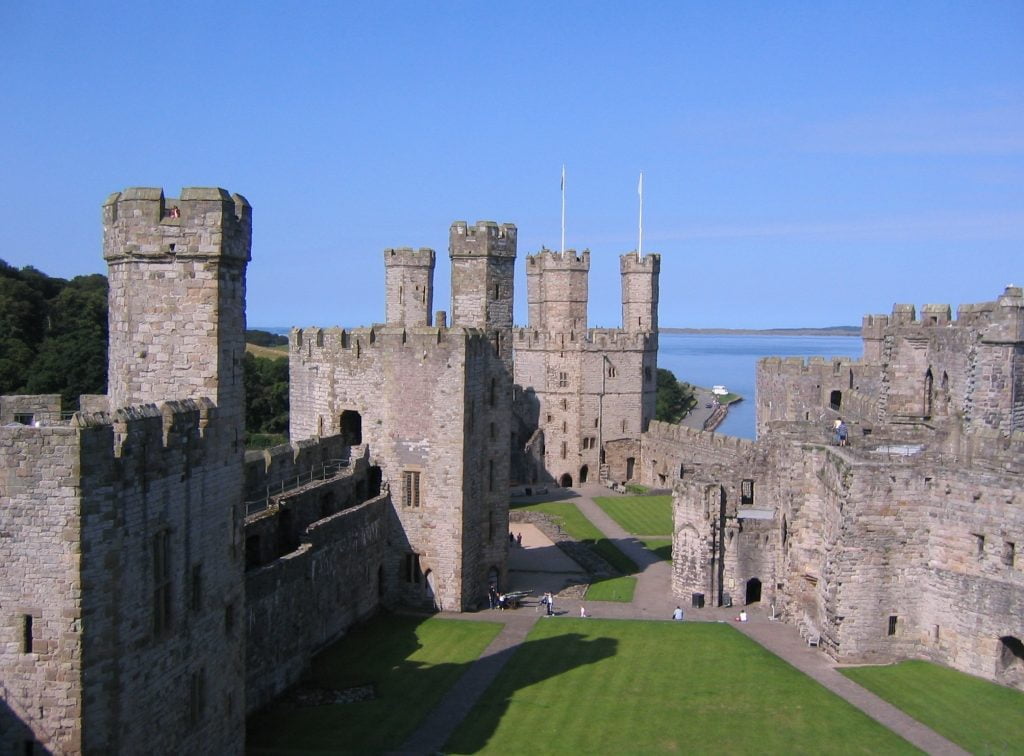
6. Caernarfon Castle
Edward I began Caernarfon Castle in 1283 as part of his conquest and occupation of north Wales. Master James of St George played a leading role in the royal building programme. Its polygonal towers, banded masonry and monumental gateways made it both a formidable fortress and an emphatic statement of royal power. Caernarfon forms part of the UNESCO World Heritage Site that also includes Conwy, Harlech and Beaumaris.
7. Deganwy Castle
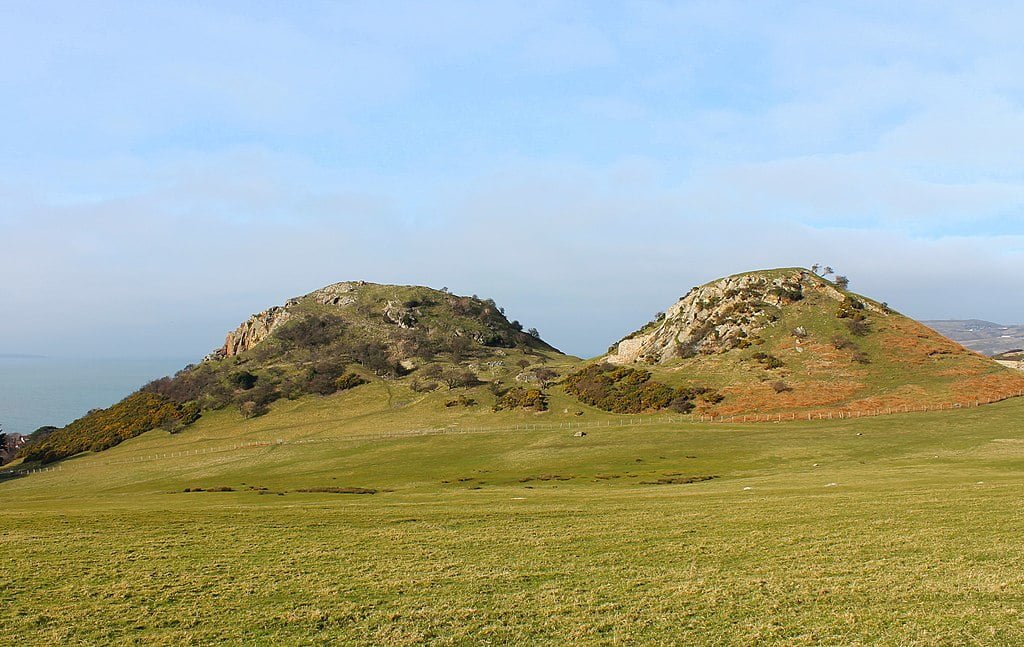
Deganwy’s twin hills were strategically important long before the surviving medieval ruins. The site was associated with the rulers of Gwynedd and was repeatedly destroyed and rebuilt. Henry III began a major English stone castle there in the 13th century. Llywelyn ap Gruffudd captured and destroyed it in 1263, and Edward I later chose nearby Conwy rather than rebuilding Deganwy.
8. Pembroke Castle
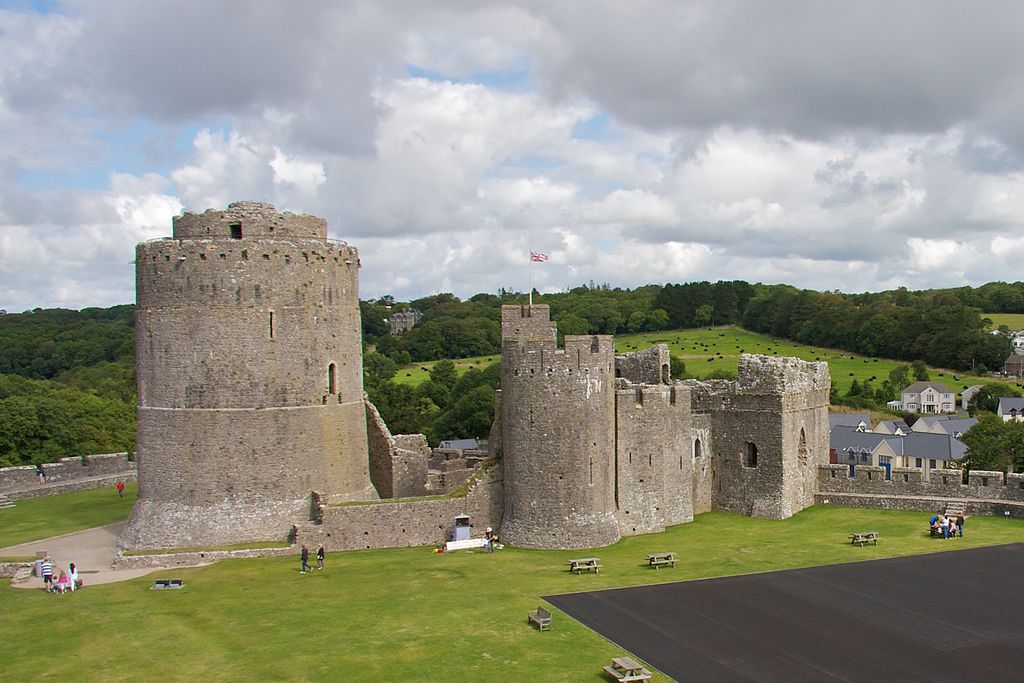
Pembroke Castle began as an earth-and-timber Norman stronghold established by Arnulf de Montgomery in 1093. The powerful stone castle visible today owes much to William Marshal and his successors. Its position on a rocky promontory above the Pembroke River, with the natural Wogan Cavern beneath, gave it formidable natural defences.
The castle also played an important role during the 17th-century Civil Wars and is famous as the birthplace of Henry Tudor, later Henry VII, in 1457.
These eight sites show why Wales deserves its reputation as a land of castles. They also illustrate an important distinction: Welsh castles were built by different powers at different times—Norman marcher lords, native Welsh princes and English kings—rather than representing a single national building programme.
For a deeper look at how these fortifications worked, continue with our guides to medieval castle defence, castle walls and castle gatehouses.