Hohenschwangau Castle – The Royal Home That Shaped Ludwig II
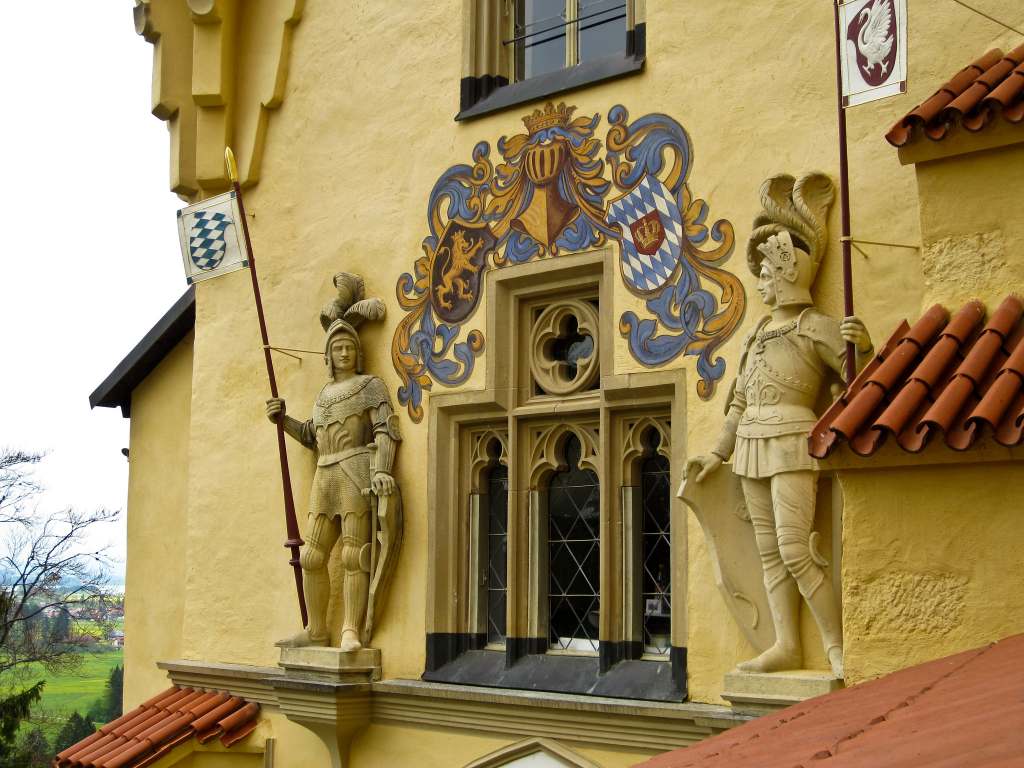
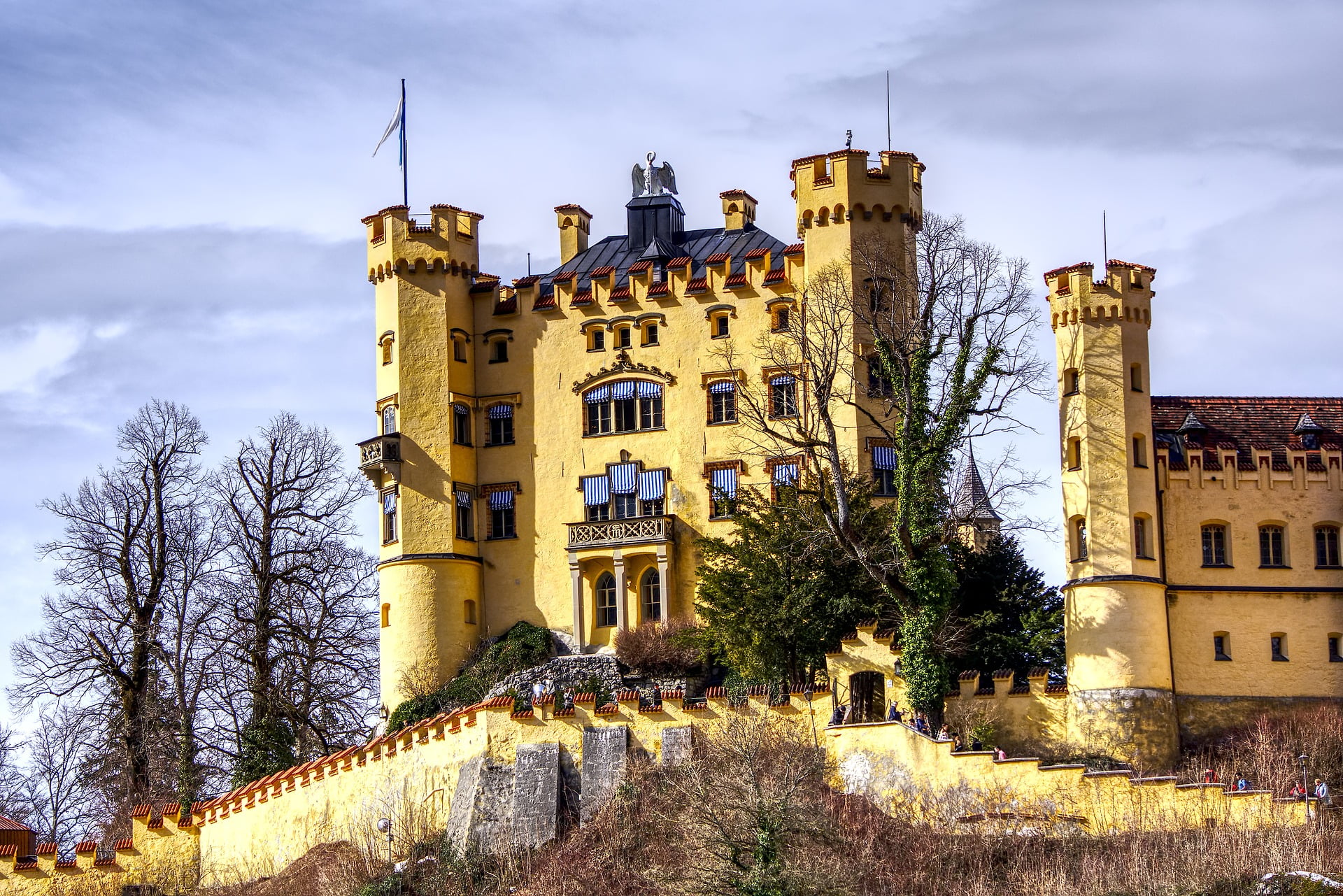
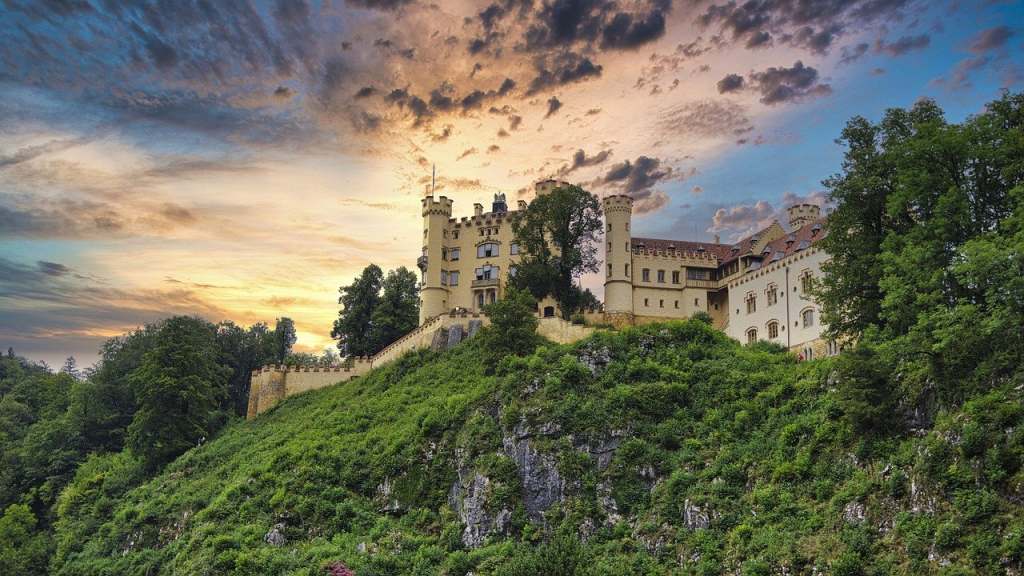
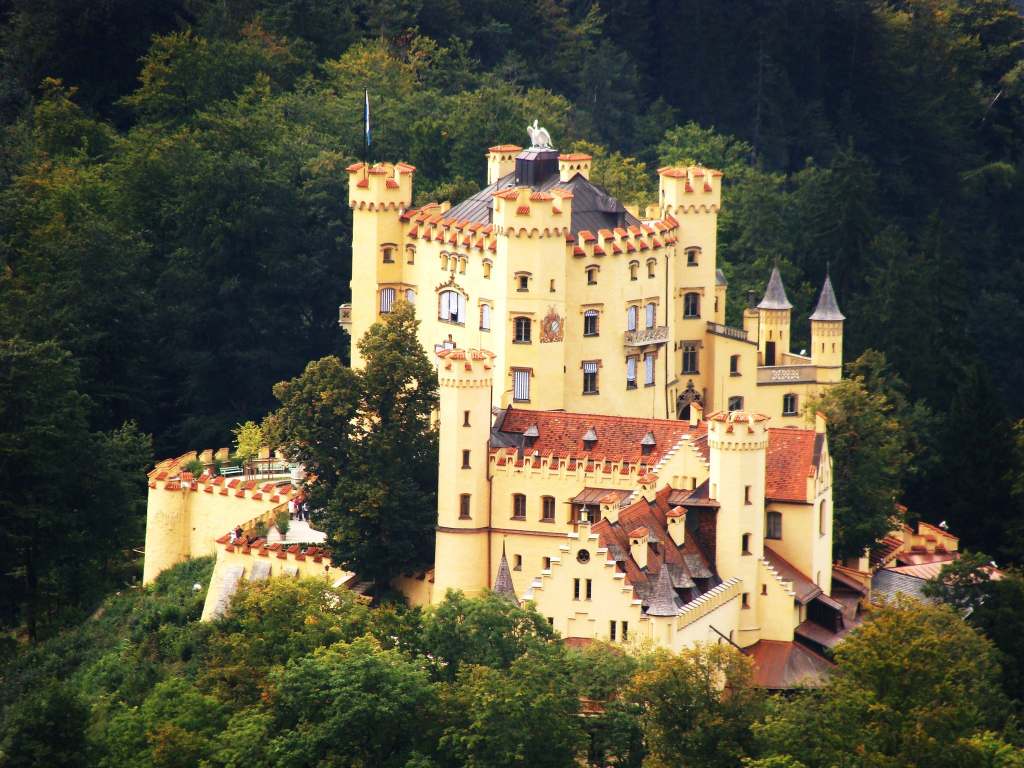
Hohenschwangau Castle is often overshadowed by nearby Neuschwanstein, but it is the more intimate key to Bavaria’s royal story. Crown Prince Maximilian rebuilt a medieval ruin as a Romantic summer residence, and his son Ludwig II spent formative years within its yellow walls.
The castle’s rooms were designed as a painted journey through Bavarian history, the legends of the Swan Knight and medieval German literature. Those images, together with the surrounding mountains and lakes, helped shape Ludwig’s imagination long before he created his own palaces.
Hohenschwangau is therefore both a 19th-century royal home and a bridge to the older fortress traditions of the Schwangau region. Its present appearance dates mainly from Maximilian’s rebuilding between 1833 and 1837.
Hohenschwangau is the romantic royal home where Ludwig II grew up among swan legends, Alpine scenery and painted medieval stories.
Frequently Asked Questions
FOR HISTORY | BEAUTIFUL IMAGES | INTERESTING FACTS | TRAVEL TIPS
History of Hohenschwangau Castle
The Medieval Castle of Schwanstein
The Schwangau area had noble castles in the Middle Ages, and the site later called Schwanstein passed through several owners. By the early 19th century, wars, neglect and repeated changes of use had left the building ruinous.
The medieval remains were not simply preserved untouched. They became the foundation for a new Romantic vision created for Bavaria’s crown prince.
Maximilian’s Rebuilding
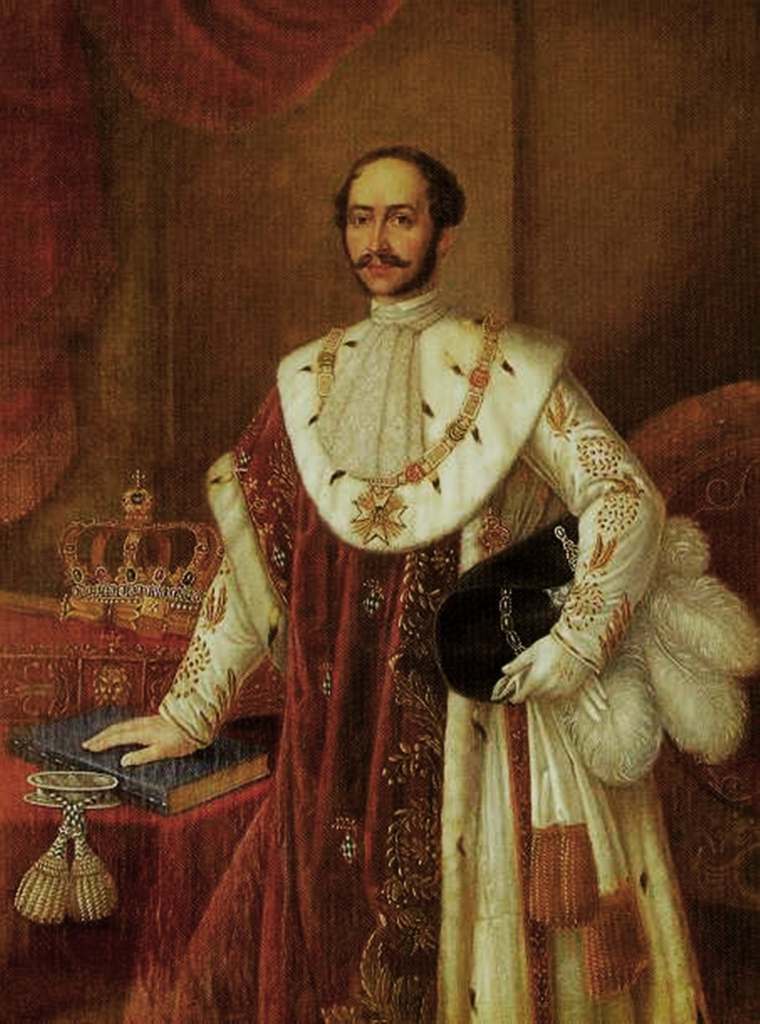
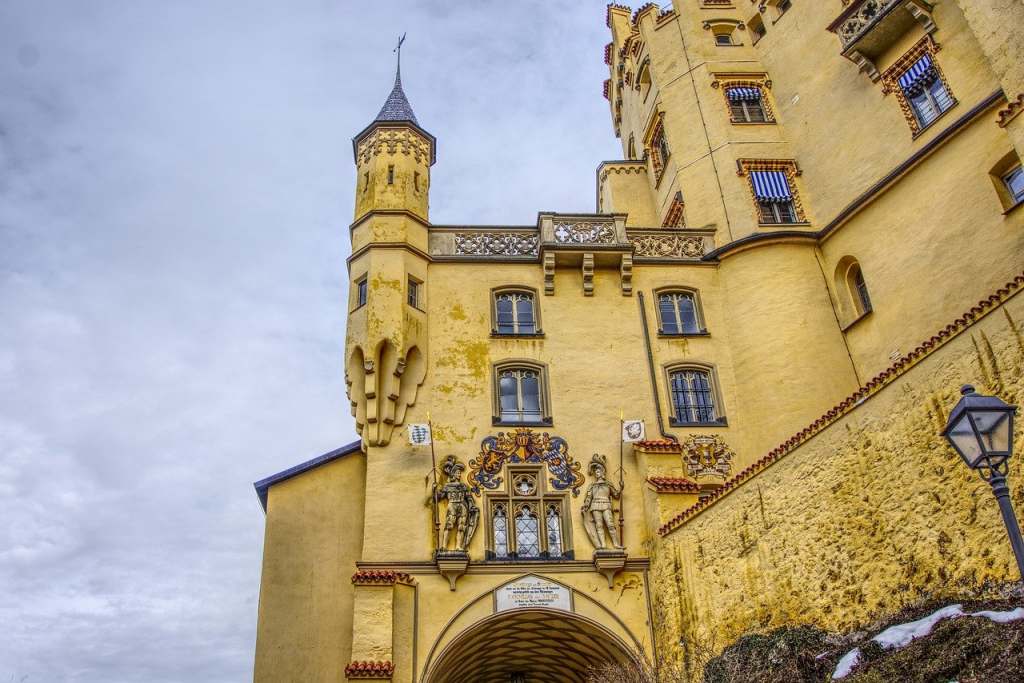
Crown Prince Maximilian discovered the picturesque ruins while exploring the region and acquired them in 1832. Work began the following year under Domenico Quaglio, an architectural painter and stage designer whose eye for theatrical composition suited the project.
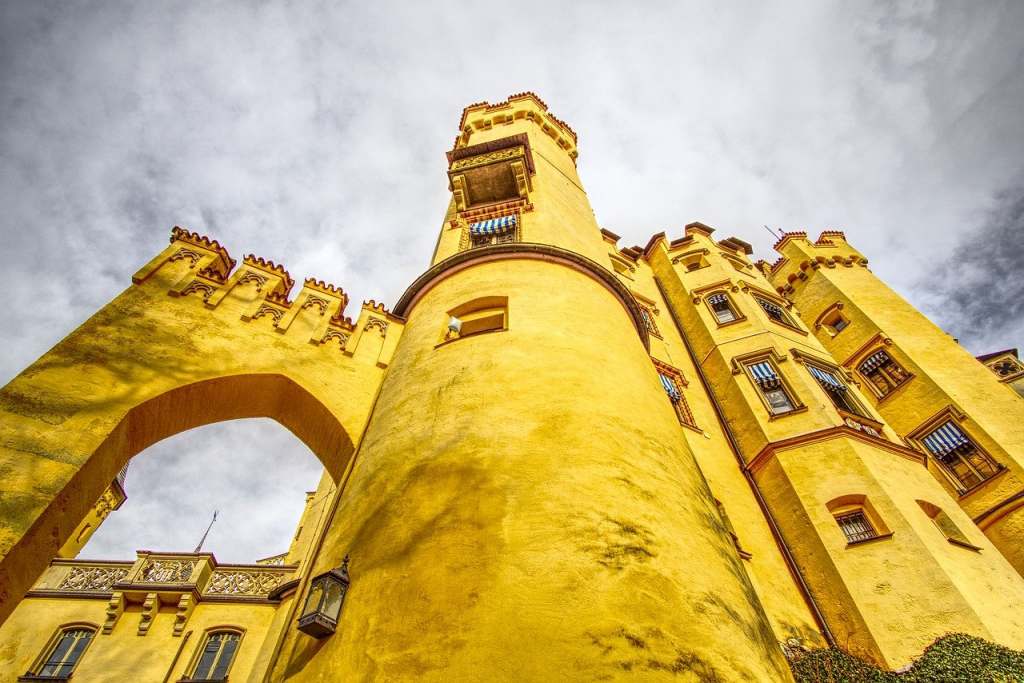
Quaglio shaped the neo-Gothic exterior and overall decorative programme. After his death in 1837, Joseph Daniel Ohlmüller and Georg Friedrich Ziebland continued aspects of the work. The main residence was usable by 1837, although additions and decoration continued later.
A Painted Royal Residence
Inside, more than 90 murals cover walls and ceilings. They draw on local history, the Lords of Schwangau, the legends of Lohengrin and other medieval narratives. Rather than reproducing one historical period, the rooms create a unified Romantic interpretation of the German past.
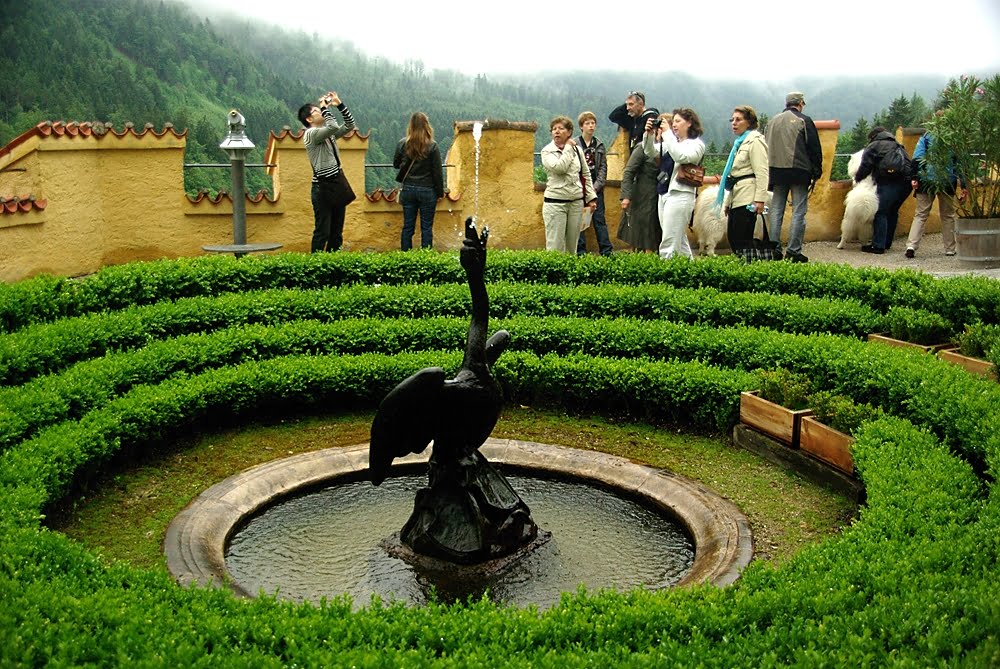
The furnishings and decorative details reflect the lives of Maximilian II and Queen Marie. The queen’s love of the Alps shaped the gardens and family routines, while the king used Hohenschwangau as both a summer home and hunting residence.
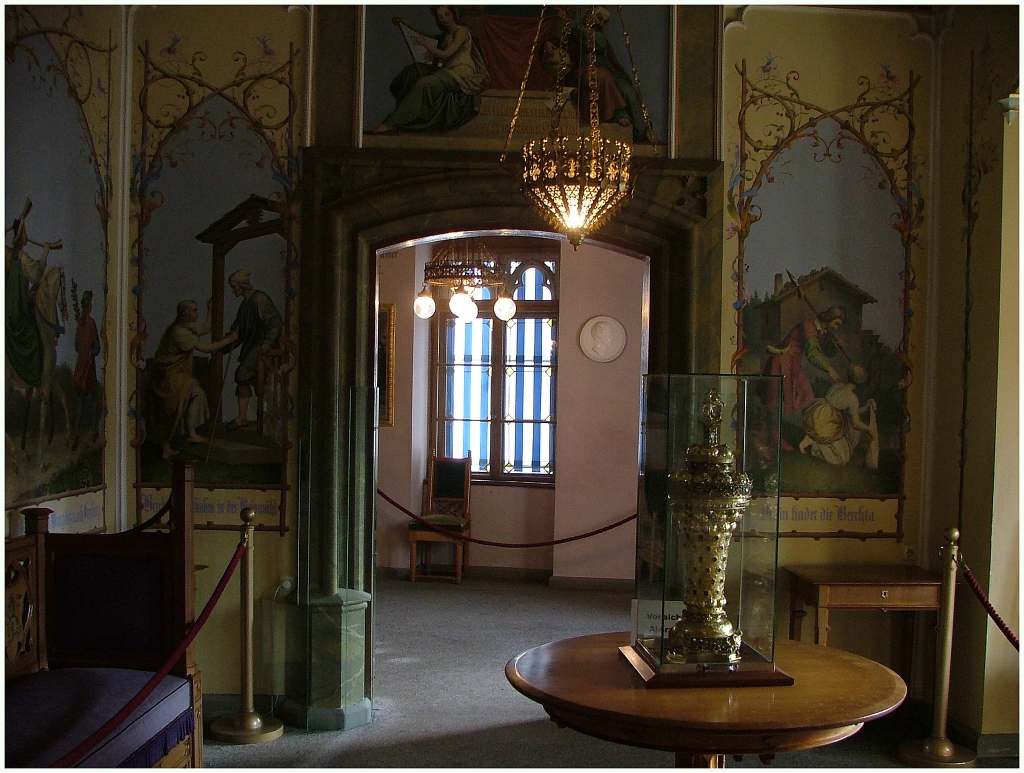
Ludwig II’s Childhood Castle
Ludwig and his brother Otto spent long summer periods at Hohenschwangau. The castle’s swan symbols, heroic murals and views toward the mountains formed part of Ludwig’s childhood environment.
As king, Ludwig returned to the castle while supervising Neuschwanstein across the valley. Hohenschwangau therefore offers a lived-in contrast to the grander architectural fantasies he commissioned later.
Revisit More Historic Places Below or Read Further

Hohenschwangau Castle Today
The castle survived both world wars without major destruction and retains much of its 19th-century interior character. Since 1923 it has belonged to the Wittelsbacher Ausgleichsfonds, an organisation connected with the former Bavarian royal family.
Visitors see the furnished rooms only on a timed tour. The experience focuses on the royal family, the murals and the relationship between Hohenschwangau’s stories and Ludwig II’s later projects.
Interesting Facts About Hohenschwangau Castle
- The present castle grew from a medieval ruin known as Schwanstein.
- Crown Prince Maximilian bought the site in 1832 and rebuilt it from 1833 to 1837.
- Domenico Quaglio directed the early works and shaped the neo-Gothic exterior.
- More than 90 wall paintings present local history, medieval legends and German romances.
- Maximilian II, Queen Marie, Ludwig and Otto used Hohenschwangau as a summer and hunting residence.
- The swan imagery connects the castle to the Lords of Schwangau and the legends of Lohengrin.
- The Wittelsbacher Ausgleichsfonds has owned the castle since 1923.
Visiting Hohenschwangau Castle: Practical Information
Getting to Hohenschwangau
Most visitors travel first to Füssen, then use a local bus, taxi or car for the short journey to Hohenschwangau village. From the Ticket Center and parking area, the castle is reached uphill on foot; allow enough time to arrive before the fixed tour slot.
Rail, local-bus, taxi and carriage prices vary by route and season, so check live fares before travelling rather than relying on old fixed estimates.
Tickets and Guided Tours
Information was checked & updated on September 7, 2026.
Timed tours may sell out. Check the official Hohenschwangau pages for 2026 opening times, admission prices and combination tickets before travelling. USD conversions are approximate and use the European Central Bank reference rate published on September 4, 2026.
Individual admission costs €23.50 (approximately $27.30 USD) for adults, €12.00 (approximately $13.90 USD) for children aged 7–17 and €19.50 (approximately $22.70 USD) for reduced admission. Children under seven enter free. Online purchases and reserved tickets carry a €2.50 (approximately $2.90 USD) service fee per person, including free children’s tickets.
The Kings-Ticket combining Hohenschwangau and Neuschwanstein costs €43.50 (approximately $50.60 USD) regular, €38.50 (approximately $44.70 USD) reduced and €12.00 (approximately $13.90 USD) for children aged 7–17, plus a €5.00 (approximately $5.80 USD) online service fee per ticket. German- and English-guided departures are offered, with designated audio-guided tours in additional languages.
How Long Should You Spend Here?
The castle tour itself is compact, but allow at least two hours for ticket collection, the uphill approach, gardens and viewpoints. A combined visit with Neuschwanstein and the Museum of the Bavarian Kings needs most of a day.
Practical Tips
- Book in advance and double-check the castle named on your ticket.
- Arrive well before the fixed entry time; late admission is not guaranteed.
- Wear comfortable shoes for the uphill approach and stairs.
- Check photography restrictions inside the furnished rooms.
- Leave a generous interval if you also tour Neuschwanstein; the two entrances are not beside each other.