Almourol Castle – Templar History & Visitor Guide
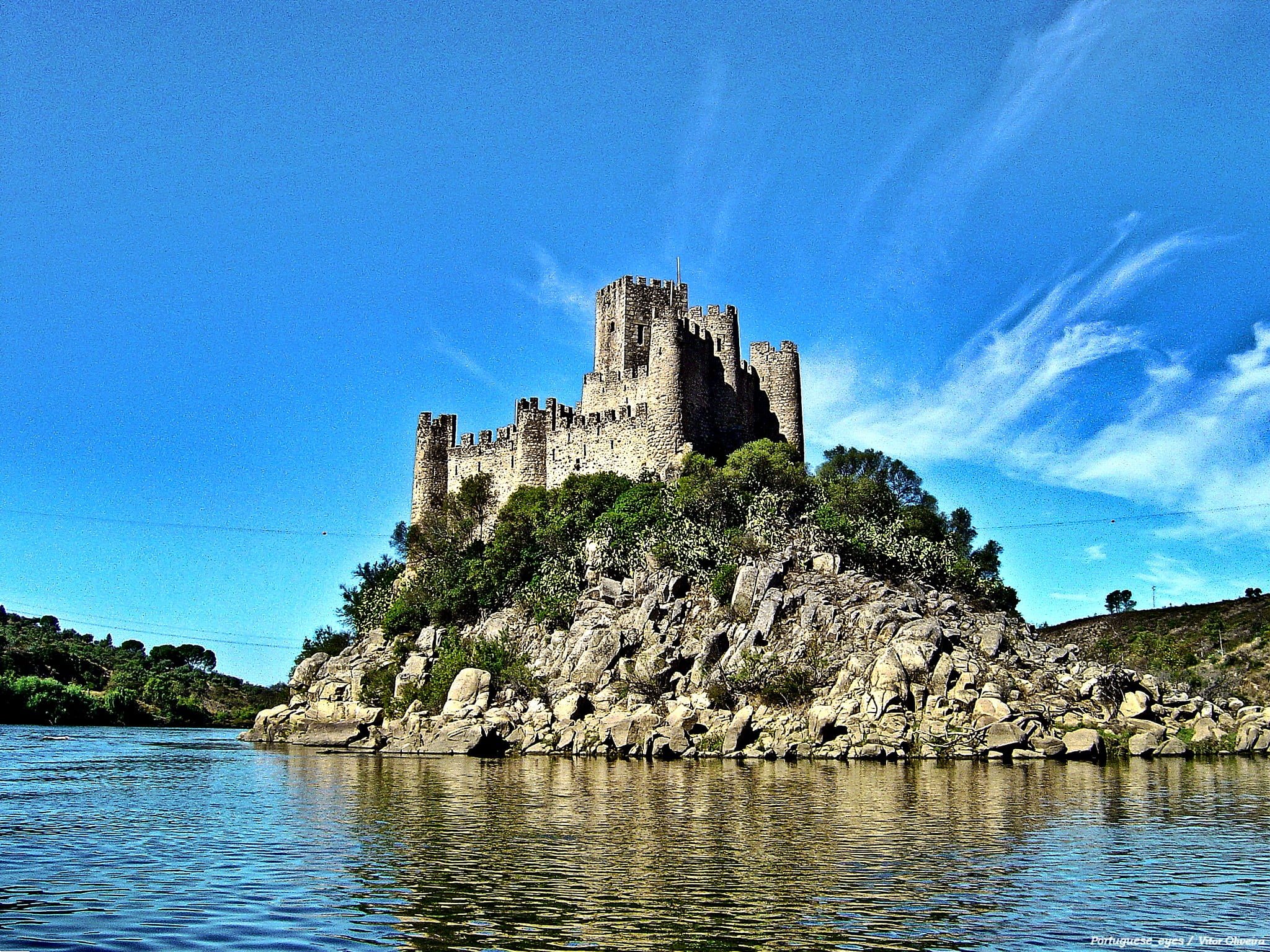
Almourol Castle (Castelo de Almourol) is a compact medieval fortress set dramatically on a rocky island in Portugal’s Tagus River. The surviving castle was rebuilt in 1171 under Gualdim Pais, master of the Knights Templar in Portugal, as part of the defensive network that protected the river frontier during the Reconquista.
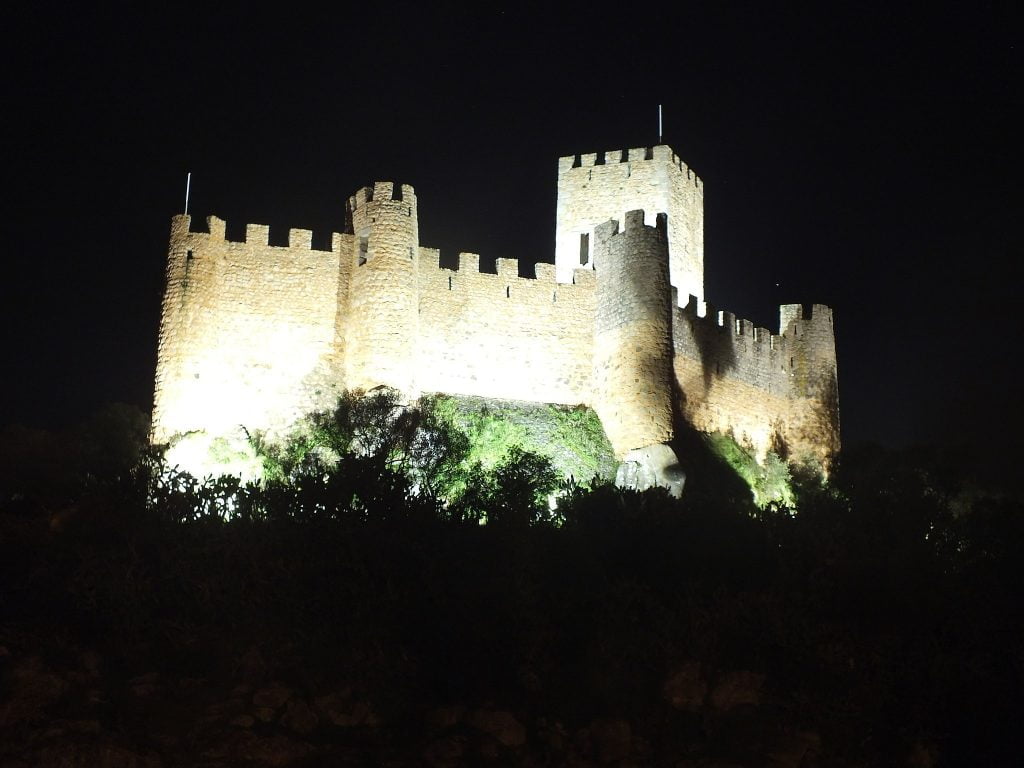
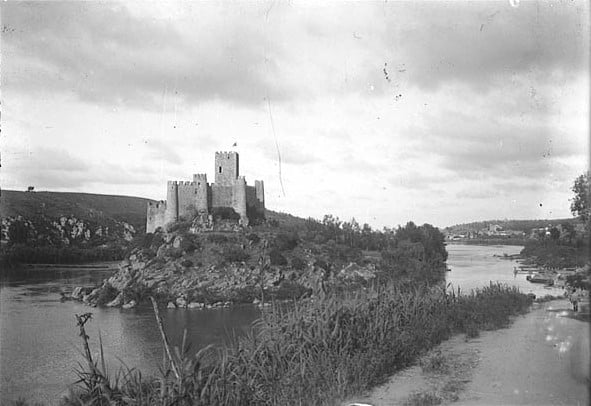
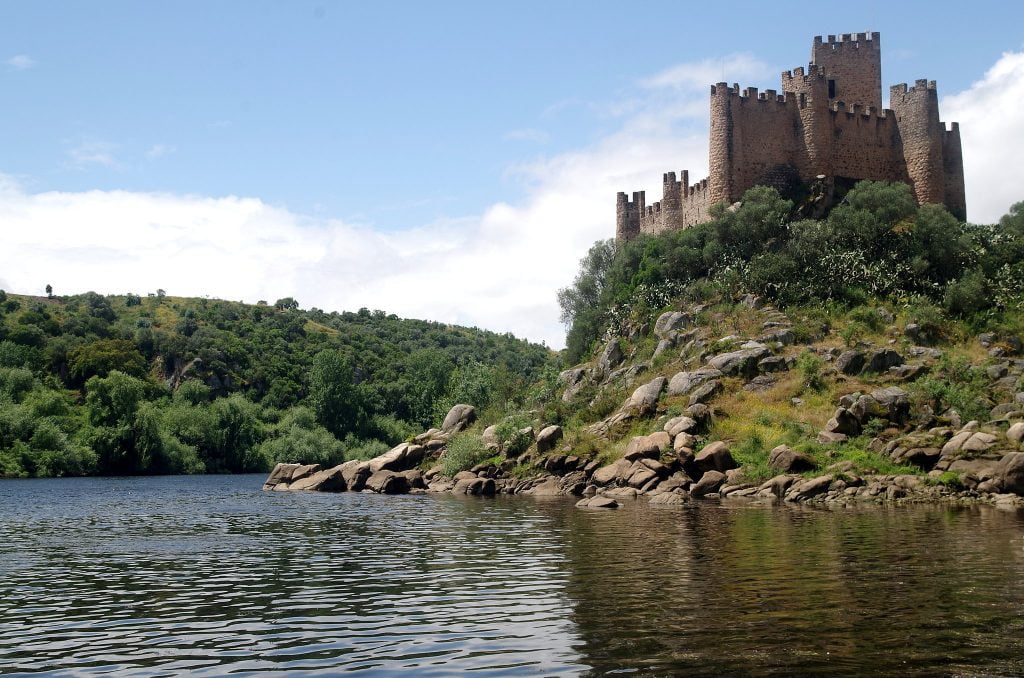
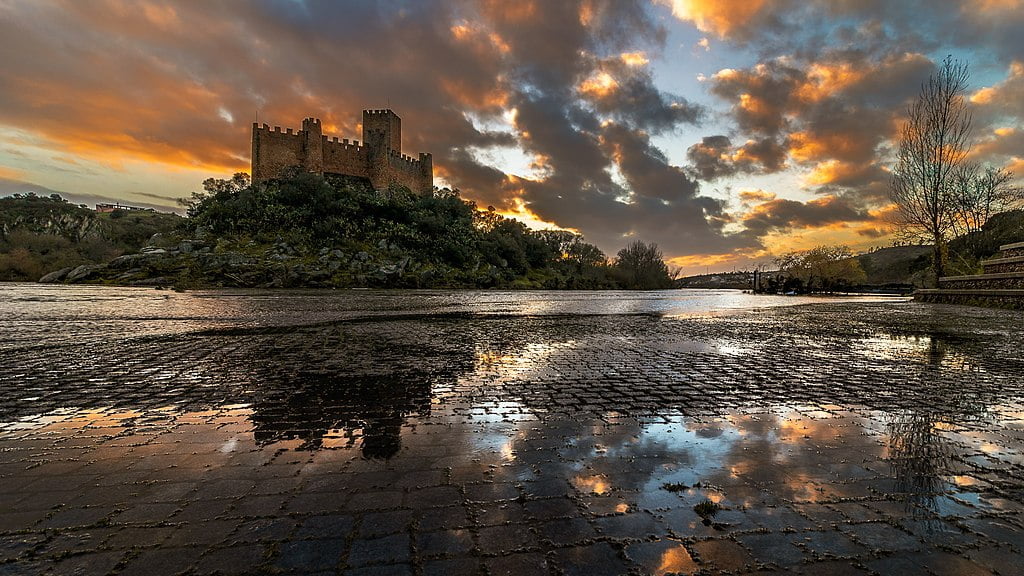
Its central keep, irregular curtain wall and projecting towers create one of the country’s most recognisable castle silhouettes. The island setting is part of the experience: visitors reach the monument by boat and see the walls rise directly above the water.
Almourol is one of the standout stops among the best castles to visit in Portugal, especially for travellers interested in the Knights Templar.
Rebuilt by the Knights Templar in 1171, Almourol Castle still rises from its Tagus River island as one of Portugal’s most memorable medieval fortresses.
Frequently Asked Questions
Almourol Castle stands on a small island in the Tagus River, near Praia do Ribatejo and Tancos in the municipality of Vila Nova da Barquinha, central Portugal.
The island had an earlier fortified site, but the surviving medieval castle was rebuilt for the Knights Templar under Gualdim Pais. An inscription records the work in 1171.
The Templars controlled a chain of strongholds along the Tagus during the Portuguese Reconquista. Almourol helped guard the river frontier and formed part of this wider defensive network.
Visitors reach the island by boat. Departures, prices and opening days vary seasonally, so check the official visitor information before travelling.
FOR HISTORY | BEAUTIFUL IMAGES | INTERESTING FACTS | TRAVEL TIPS
History of Almourol Castle
Before the Knights Templar
The island was strategically valuable long before the present castle was built. Archaeological finds indicate earlier occupation and fortification, although the exact form and chronology of those structures remain less certain than the documented Templar rebuilding. By the 12th century, the site stood on a contested stretch of the Tagus frontier.
The Templar Rebuilding of 1171
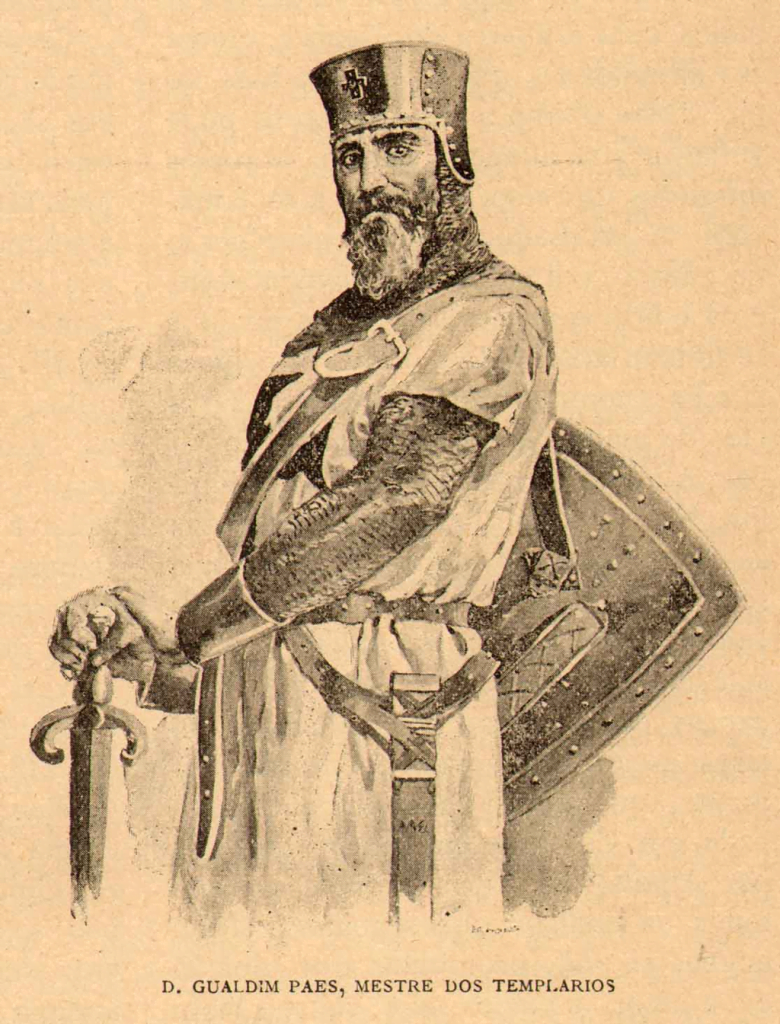
Portugal’s first king, Afonso Henriques, granted strategic territory in this region to the Knights Templar. Under their master Gualdim Pais, Almourol was rebuilt as part of a chain of fortresses that included Tomar, Zêzere and Cardiga. An inscription at the main entrance records the date 1171 and associates the work with Gualdim Pais.
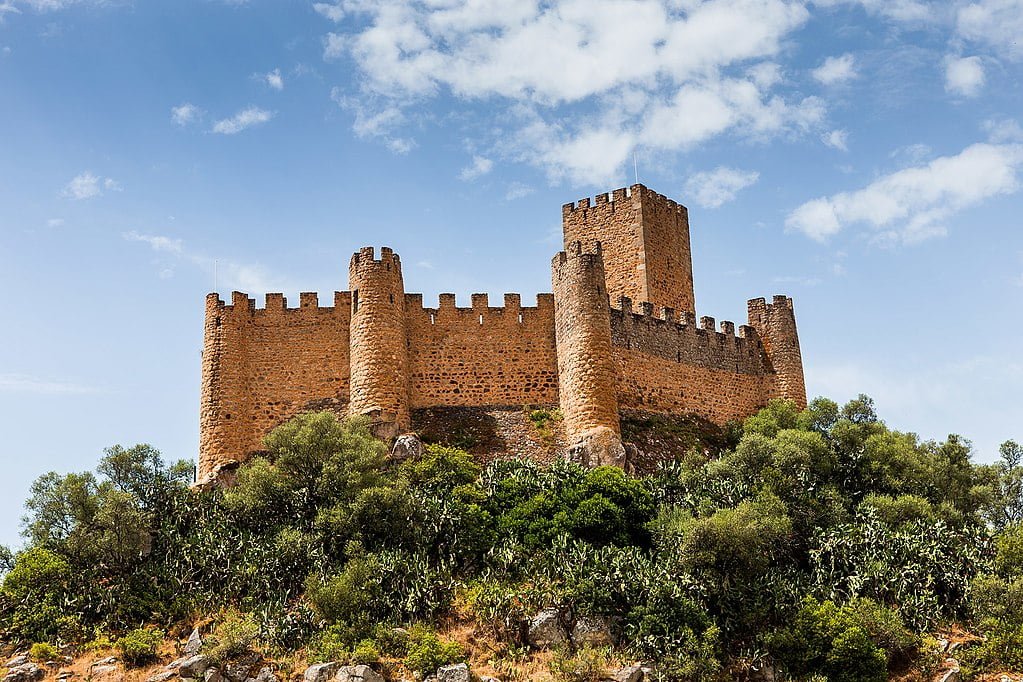
The castle’s military design uses the island’s rock as a natural base. Its irregular polygonal wall is reinforced by ten projecting towers or turrets, while the keep forms the strongest element of the interior. The arrangement gave defenders views across the river and control over the approaches.
From the Templars to the Order of Christ
When the Knights Templar were suppressed in the early 14th century, their Portuguese properties were transferred to the Order of Christ. As the frontier moved south and the Tagus lost its former military role, Almourol’s strategic importance declined and the fortress gradually fell out of regular use.
Restoration and Romantic Reinvention
Nineteenth-century interest in Portugal’s medieval past brought Almourol renewed attention. Restoration campaigns repaired the ruin and reshaped some details according to Romantic ideas of how a medieval castle should look. Further interventions in the 20th century consolidated the monument for state and public use, so the present appearance combines genuine 12th-century fabric with later restoration.
Revisit More Historic Places Below or Read Further
Almourol Castle Today
Almourol Castle has been protected as a Portuguese National Monument since 1910. It is now one of the best-known heritage sites in the Médio Tejo region and a key stop on Portugal’s Templar Route. Visitors can explore the enclosure, climb through the keep and battlements, and look across the river landscape that once made the position so valuable.
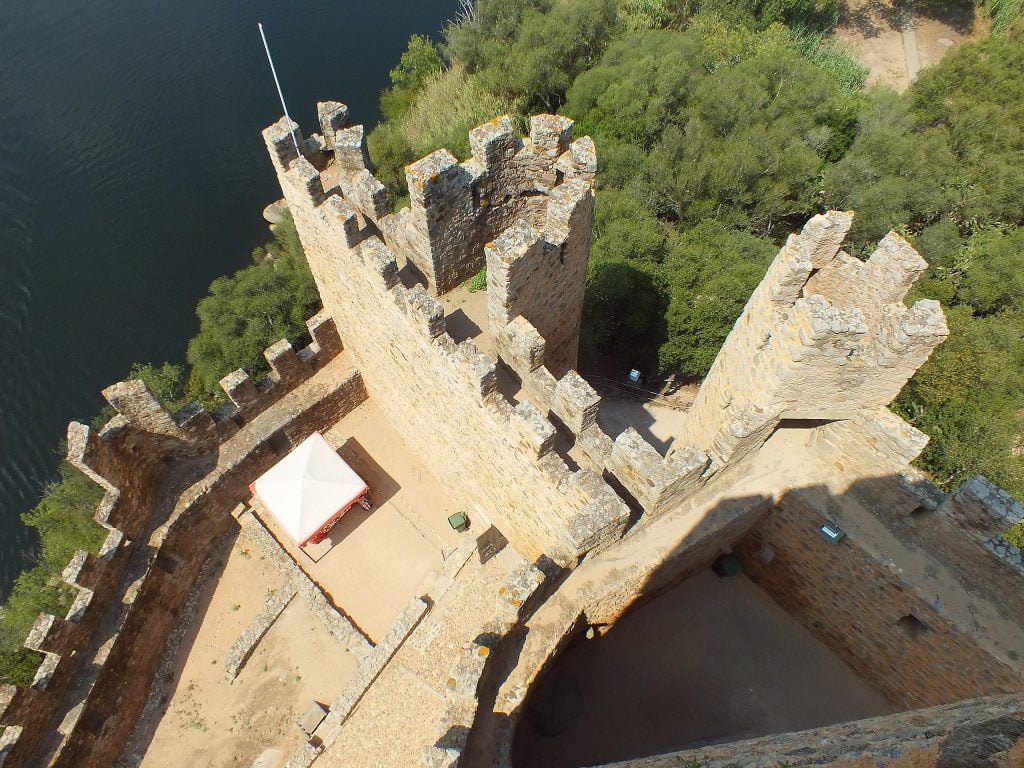
The official Templar Route describes the fortress as an irregular polygon with ten elevated observation points, mostly semicircular towers. The entrance inscriptions and the compact defensive layout remain the clearest links to Gualdim Pais and the castle’s Templar phase.
Interesting Almourol Castle Facts
- The present fortress was rebuilt in 1171 under Gualdim Pais, master of the Knights Templar in Portugal.
- The castle occupies a rocky island in the Tagus River and is reached by boat.
- Its irregular enclosure is reinforced by ten projecting towers or turrets.
- An inscription at the entrance records Gualdim Pais’s role and the 1171 rebuilding campaign.
- After the suppression of the Templars, the property passed to the Order of Christ.
- Almourol Castle has been classified as a Portuguese National Monument since 1910.
Visiting Almourol Castle: Practical Information
Getting to Almourol Castle
The castle is in the municipality of Vila Nova da Barquinha, close to Tancos. The final approach is by boat, either from the pier beside the castle or on a longer river departure from Tancos. If travelling without a car, check current regional train and bus connections rather than relying on an old fixed timetable.
If you need accommodation nearby, you can compare nearby stays on Booking.com.
Opening Times, Boats and Tickets
The official Templar Route page currently lists seasonal opening arrangements and paid admission. It reports daily opening from March through September, with Monday closures from October through February; midday breaks and last boat times also apply. Treat these details as a planning guide and confirm them before setting out.
How Long Should You Spend at Almourol Castle?
Allow about one hour for the boat crossing and a self-guided look around the compact fortress. Add more time if you take the longer river trip from Tancos or combine the castle with the Almourol Templar Interpretation Centre.
Opening days, boat departures, prices and weather-related access can change. Check the official Almourol Castle visitor information before travelling.
Practical Tips
- Check the river and weather conditions because boat access can be affected.
- Wear shoes with good grip for stone steps, battlements and uneven surfaces.
- Arrive before the final crossing rather than close to the published closing time.
- Combine the visit with the Templar Interpretation Centre or the Convent of Christ in Tomar for more historical context.
Quick Video Tour of Almourol Castle