The Best 19 Castles to Visit in Hungary (Listed by Popularity)
Hungary’s castles reflect a turbulent history shaped by the medieval kingdom, the Mongol invasion, Ottoman expansion, Habsburg rule and later aristocratic rebuilding. Some are true medieval fortresses; others are royal palaces or romantic castle-like residences that have become major visitor attractions.
The list below keeps our original popularity-based order where possible, but the historical and visitor information has been reviewed and corrected for 2026. One important change: the old list mistakenly included Károlyi Castle in Carei, which is in present-day Romania. It has been replaced with Füzér Castle in Hungary.
10 Most Popular Castles to Visit in Hungary
The original order was based on Google search interest. It should be read as a popularity guide rather than an official national ranking.
1. Buda Castle
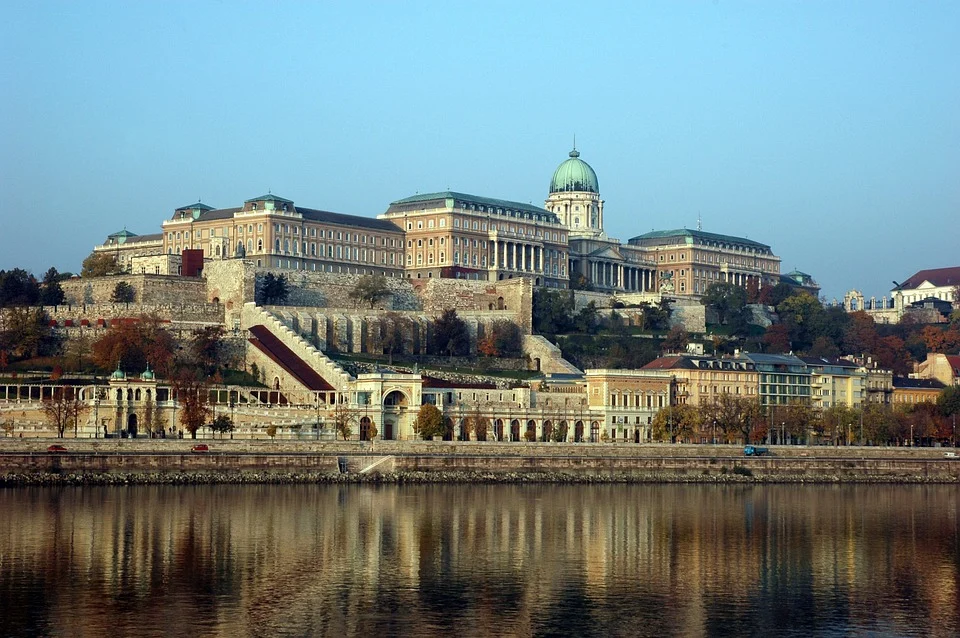
Buda Castle is the former royal palace complex on Castle Hill in Budapest. A fortified royal centre developed after the Mongol invasion of 1241–42, and later Anjou, Sigismund and Matthias Corvinus building campaigns turned Buda into one of Central Europe’s major medieval and Renaissance courts. Much of that complex was destroyed during the Ottoman and Habsburg wars, while today’s monumental palace largely reflects later Baroque and 19th-century rebuilding.
Today the palace houses the Hungarian National Gallery, Budapest History Museum and National Széchényi Library. The wider Buda Castle District is part of Budapest’s UNESCO World Heritage property, and restoration work continues under the National Hauszmann Programme.
Location: Budapest · Origins: 13th century · Visit: the district and courtyards are accessible, while individual museums have their own tickets and hours. Current visitor overview.
2. Vajdahunyad Castle
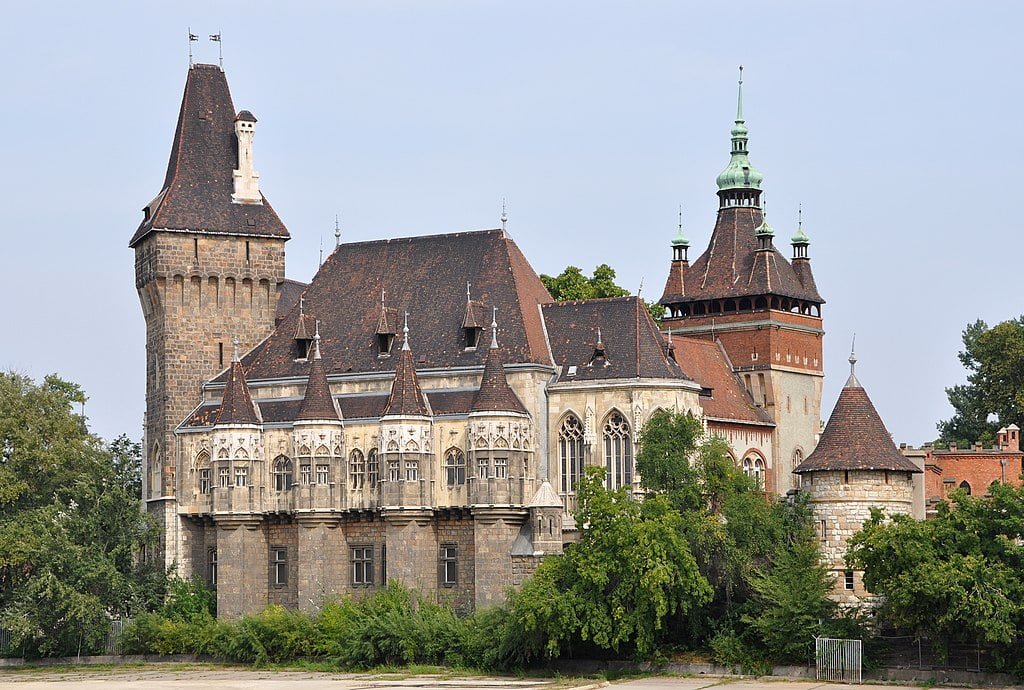
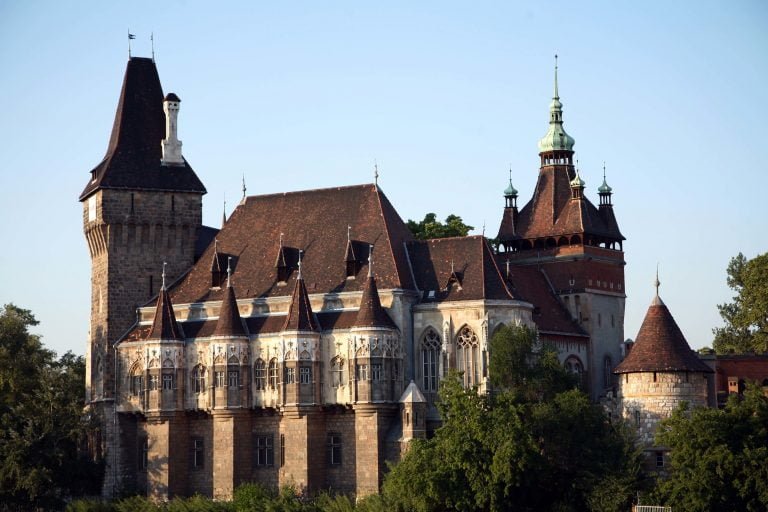
Vajdahunyad is not a medieval fortress. It began as a temporary exhibition complex for Hungary’s 1896 Millennium celebrations, using lightweight materials to display architectural motifs from different periods of Hungarian history. Its popularity led to a permanent stone-and-brick reconstruction in the early 20th century.
The ensemble deliberately combines Romanesque, Gothic, Renaissance and Baroque forms. Its best-known Gothic section draws inspiration from Corvin Castle in Hunedoara. Today it houses the Hungarian Museum of Agriculture and remains one of Budapest’s most distinctive architectural attractions.
Location: Budapest City Park · Built: permanent complex mainly 1900s · Type: historicist exhibition castle / museum. See our in-depth Vajdahunyad guide.
3. Eger Castle
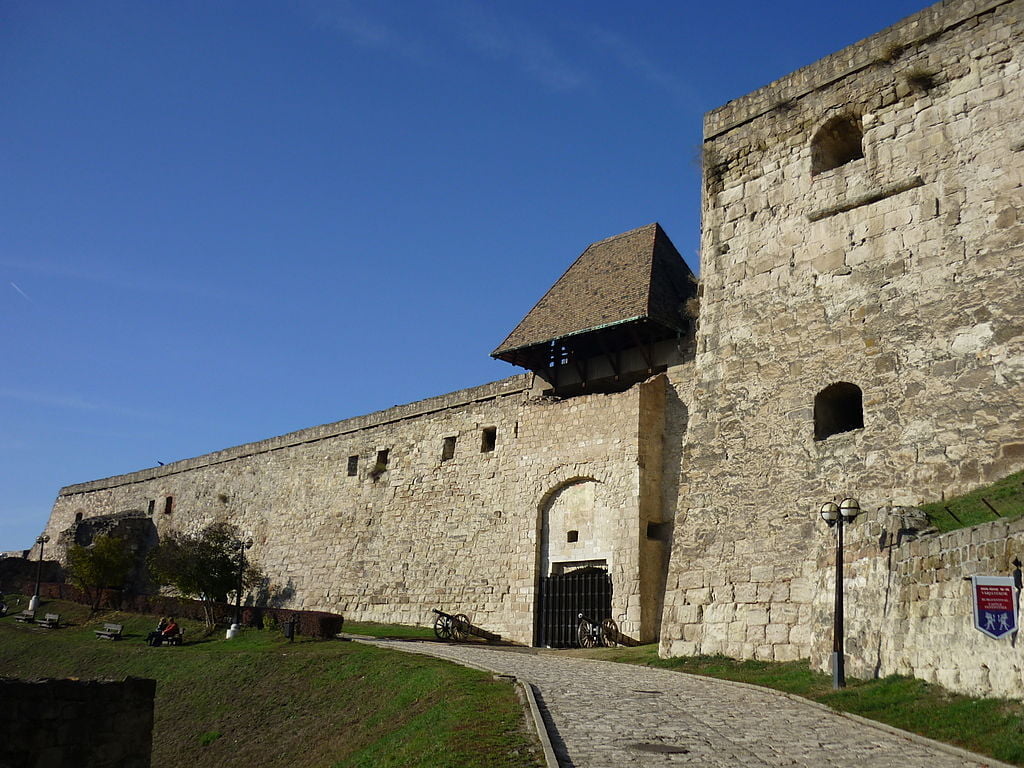
Eger Castle is inseparable from the famous Ottoman siege of 1552, when a much smaller Hungarian garrison commanded by István Dobó successfully held the fortress. The event became a national legend and was later immortalised in Géza Gárdonyi’s novel Eclipse of the Crescent Moon.
The stone castle itself developed after the 13th-century Mongol invasion and was repeatedly modernised. Today the István Dobó Castle Museum presents the siege, underground passages, cathedral ruins, weapons and archaeological material.
Location: Eger · Stone castle: developed from the 13th century · Visit: museum and fortifications open to visitors; check the official castle site. See our Eger Castle guide.
4. Sümeg Castle
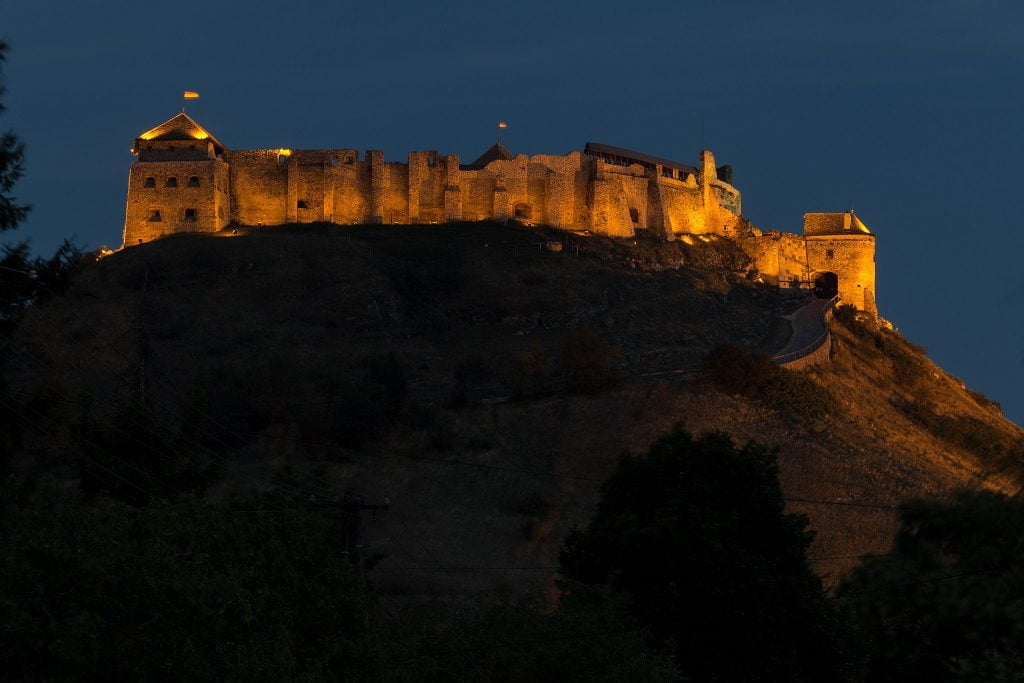
Sümeg Castle occupies a steep hill above the town and is one of Hungary’s most impressive restored medieval fortresses. The first documented reference is from 1318, although its earliest core probably dates to the late 13th or early 14th century. It belonged for centuries to the bishops of Veszprém and was repeatedly strengthened as warfare changed.
During the Ottoman wars it served as an important second-line stronghold. After Rákóczi’s War of Independence, imperial troops probably burned the castle in 1713. Archaeological excavation and conservation began in the 1950s, and restoration has continued in later phases.
Location: Sümeg, Veszprém County · Origins: late 13th/early 14th century · Visit: official Sümeg Castle site.
5. Visegrád Citadel
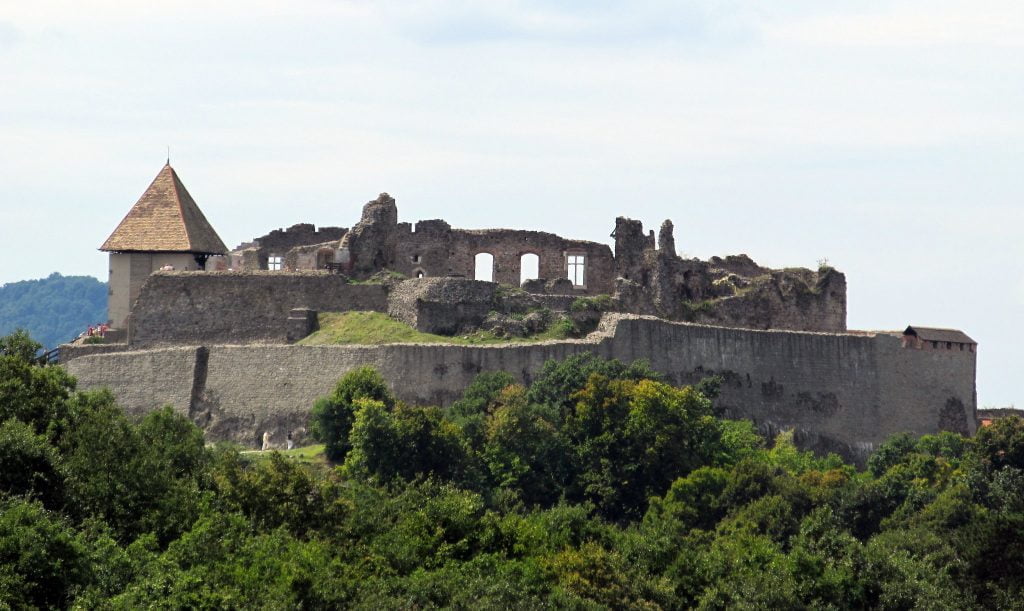
Béla IV established Visegrád’s post-Mongol fortification system in the 13th century. The hilltop citadel later became closely associated with royal power, and Visegrád served as the country’s capital under Charles I in the 14th century.
The famous royal meeting of 1335 brought the kings of Hungary, Bohemia and Poland together at Visegrád. The modern Visegrád Group takes its name from that medieval summit; the modern alliance itself was not signed in the medieval castle, as the old version of this article claimed.
Location: Visegrád, Danube Bend · Origins: 13th century · Visit: exhibitions and panoramic views; see Visit Hungary’s current guide.
Revisit More Historic Places Below or Read Further
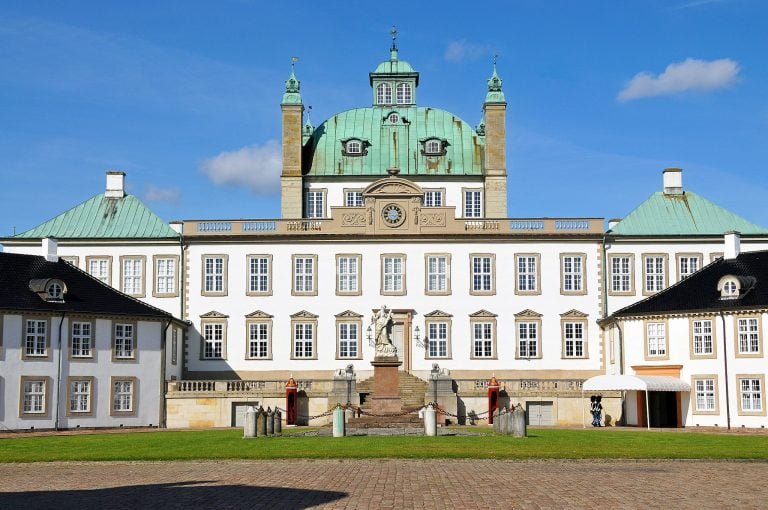
6. Bory Castle
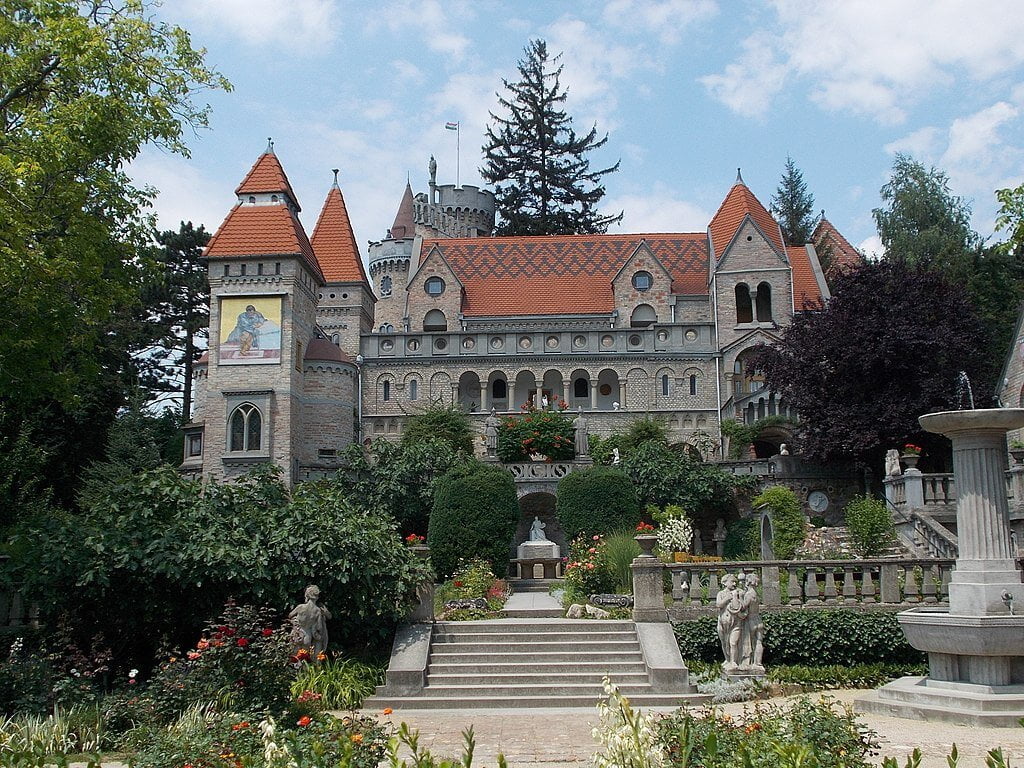
Bory Castle is the outlier on this list: it is not a medieval fortress at all. Sculptor and architect Jenő Bory spent roughly forty summers developing it as a family home, studio, memorial, gallery and architectural artwork. Its towers, arcades, courtyards, mosaics and sculptures make it one of Hungary’s most unusual private museums.
The old article repeated a Guinness claim that is difficult to verify reliably, so that wording has been removed. The documented story is interesting enough without it: Bory designed the complex himself and personally carried out a substantial part of its construction.
Location: Székesfehérvár · Built: mainly 20th century · Type: artist-built castle museum · Visit: official Bory Castle site.
7. Castle of Diósgyőr
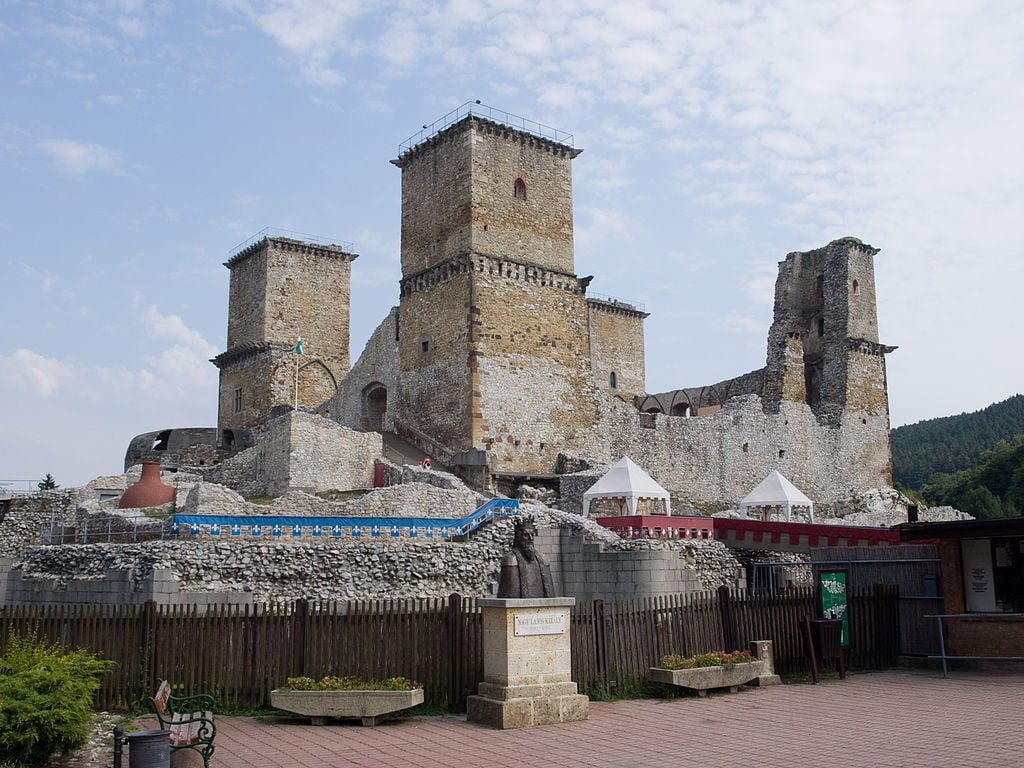
A fortified site existed at Diósgyőr before the Mongol invasion, but the first stone castle was built afterward. Its great transformation came under Louis I of Hungary in the 14th century, when the earlier stronghold was replaced by a grand Gothic royal castle with four corner towers.
Important 2026 visitor update: the castle is currently closed while another major reconstruction is underway. The previous version of this guide described the reconstructed rooms and costumed interpretation as if they were currently accessible, so that advice is no longer reliable.
Location: Miskolc · Main royal rebuilding: 14th century · 2026 status: closed for reconstruction. Check the official status page before planning a trip.
8. Csókakő Castle
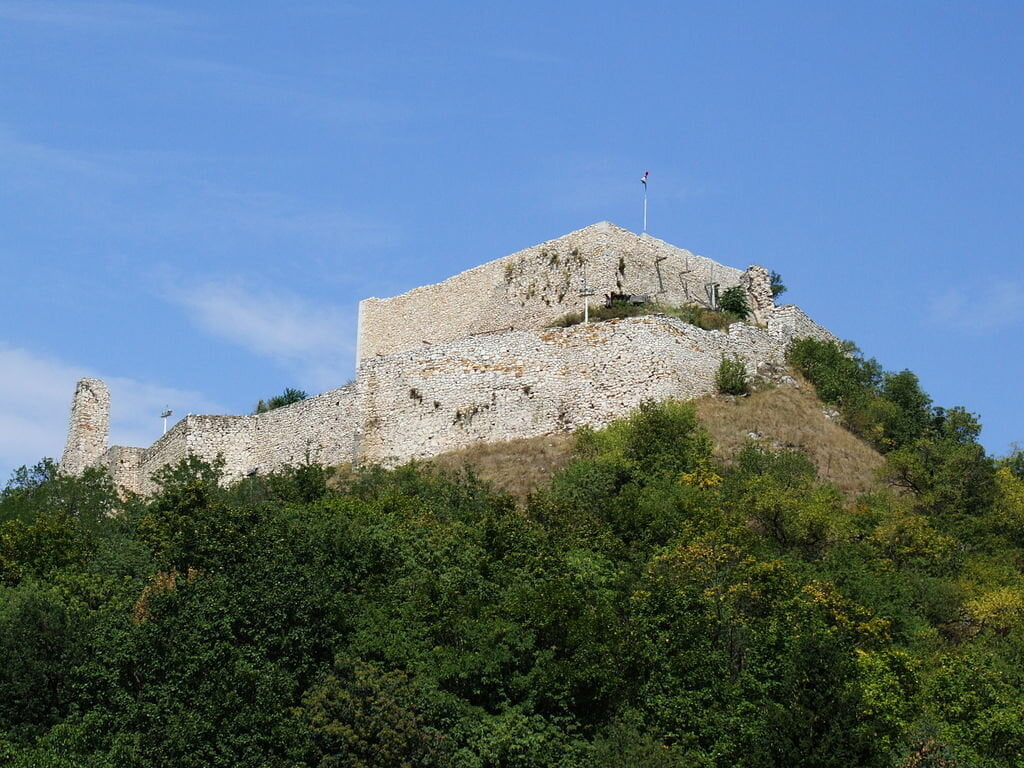
Csókakő is Fejér County’s only surviving medieval stone castle of this type. Archaeological research places its construction in the second half of the 13th century, probably for the Csák family—not the “Csók clan” stated in the old article. Its position controlled an important route between Székesfehérvár and Győr.
The Ottomans occupied the castle from the 1540s, apart from brief interruptions, until its final recovery in 1687. Restoration efforts accelerated from the 1990s onward and have reconstructed significant parts of the once-ruined fortress.
Location: Csókakő, Fejér County · Origins: second half of the 13th century · Type: restored medieval hill castle.
9. Siklós Castle
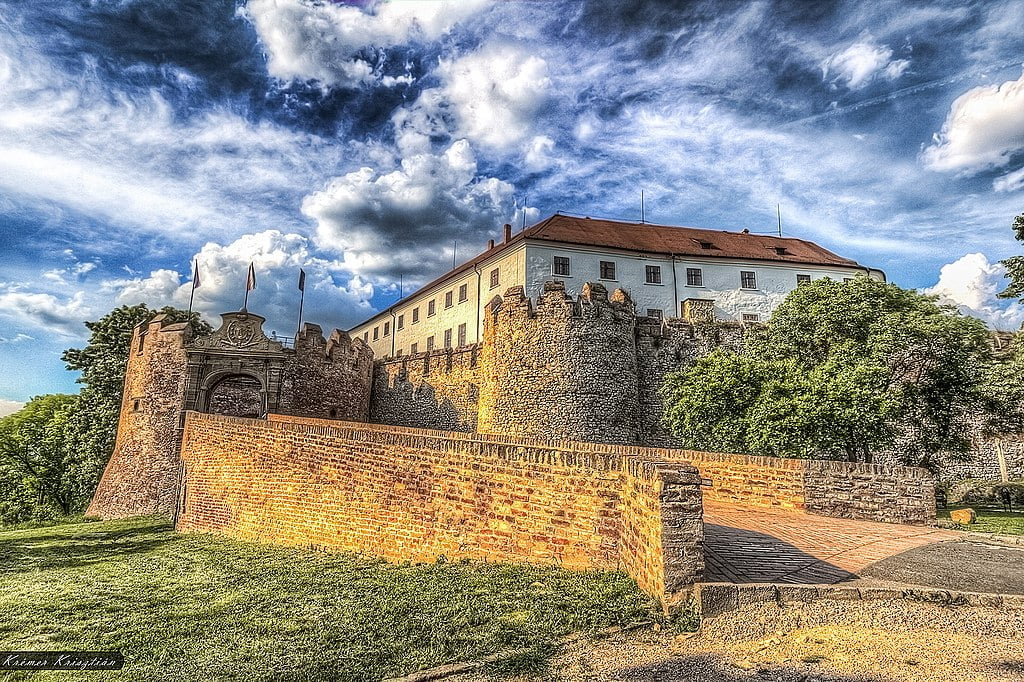
Siklós Castle was first documented in 1294 and developed under several of medieval Hungary’s most powerful noble families. The Garai family transformed it into a substantial fortified residence with important Gothic architecture, while later Perényi works added Renaissance-era defenses.
The Ottomans captured Siklós in 1543 and held it until 1686. Later Baroque rebuilding and 20th-century restoration produced the complex seen today, where visitors can explore exhibitions, the chapel, barbican, ramparts and courtyards.
Location: Siklós · First documented: 1294 · Visit: the official site lists daily opening in 2026. Current hours and tickets.
10. Szigliget Castle
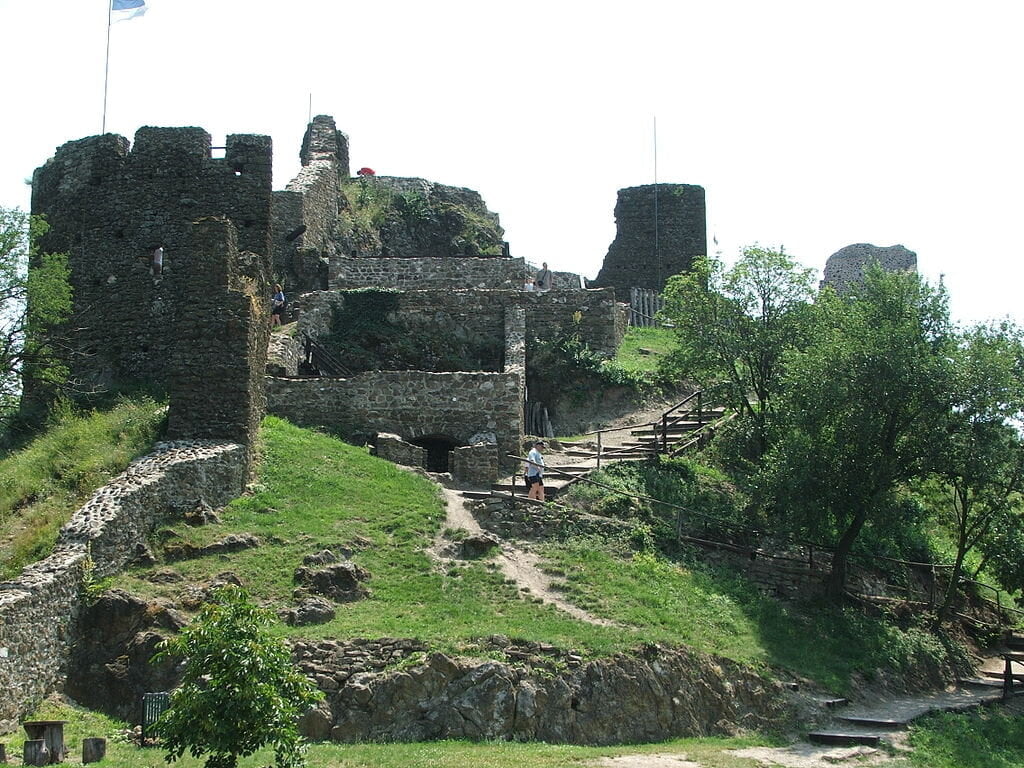
Szigliget Castle was built by the Benedictines of Pannonhalma around 1260 on a volcanic hill above what is now Lake Balaton. It later became a border fortress and is notable for never being conquered by the Ottomans.
The castle’s decline was not caused by the Rákóczi War alone. A lightning strike ignited stored gunpowder late in the 17th century and badly damaged the fortress; its ruins were later quarried for stone. Long-term reconstruction has returned substantial sections to visitor use, with exhibitions and panoramic views over the Tapolca Basin.
Location: Szigliget, Lake Balaton · Built: c. 1260 · Visit: restored ruins, exhibitions and hilltop views.
9 Less-Popular Hungarian Castles and Palaces Worth Visiting
11. Esztergom Castle
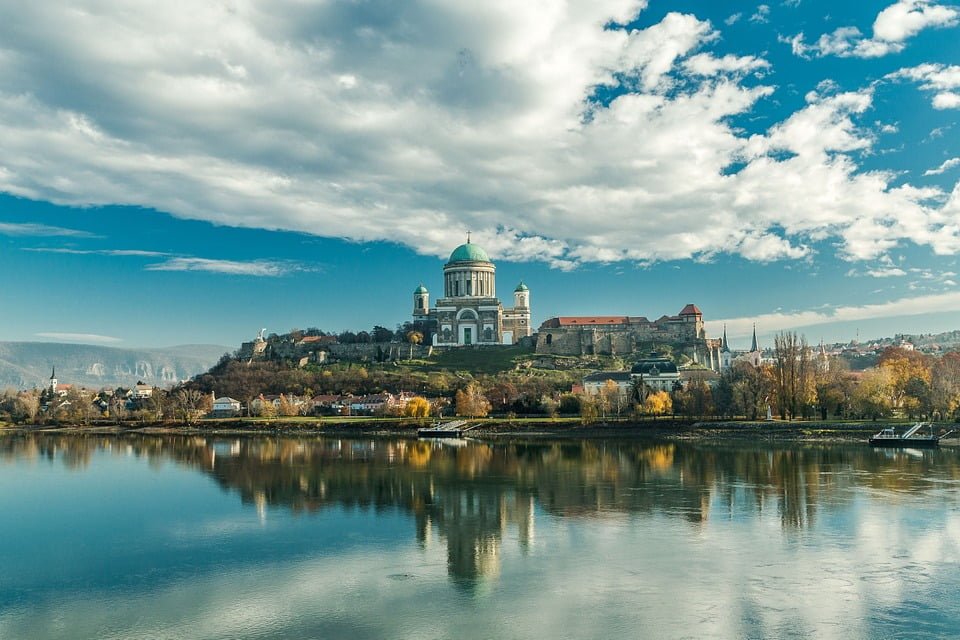
Castle Hill at Esztergom was a centre of Hungarian royal power from the 10th century. Prince Géza chose the hill as a residence, and Saint Stephen—the first king of Hungary—was born in Esztergom. Important surviving elements of the royal palace are associated with Béla III’s 12th-century rebuilding.
The Castle Museum now presents medieval royal rooms, archaeological layers, the Gothic chapel and the White Tower panorama. It is one of the country’s most important sites for understanding the beginnings of the Hungarian kingdom.
Location: Esztergom · Royal centre: from the 10th century · Visit: official Castle Museum site.
12. Almásy Mansion, Gyula
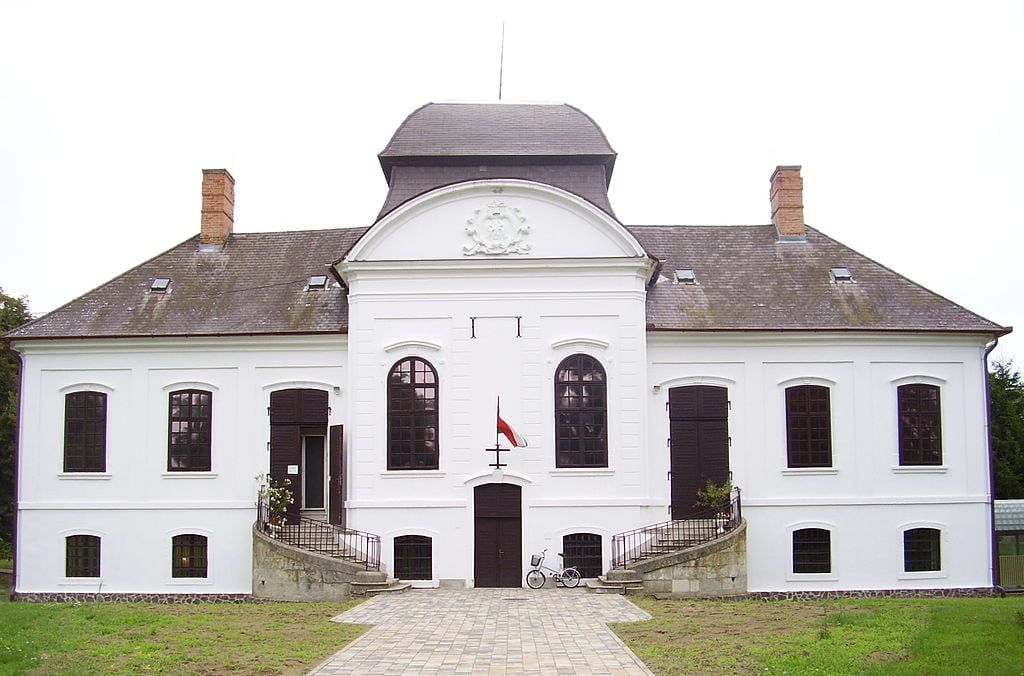
Despite often being called a “castle” in tourism translations, Gyula’s Almásy building is more accurately a noble mansion. Its Baroque core was commissioned in the 18th century by the Harruckern family after the end of Ottoman rule. The Wenckheim family later enlarged the residence, and it passed to the Almásys through marriage.
Its modern visitor centre focuses on aristocratic household life as well as the servants who kept a great estate functioning—an unusually useful perspective compared with many palace museums.
Location: Gyula · Main form: 18th-century Baroque mansion · Visit: official visitor centre.
13. Somló Castle
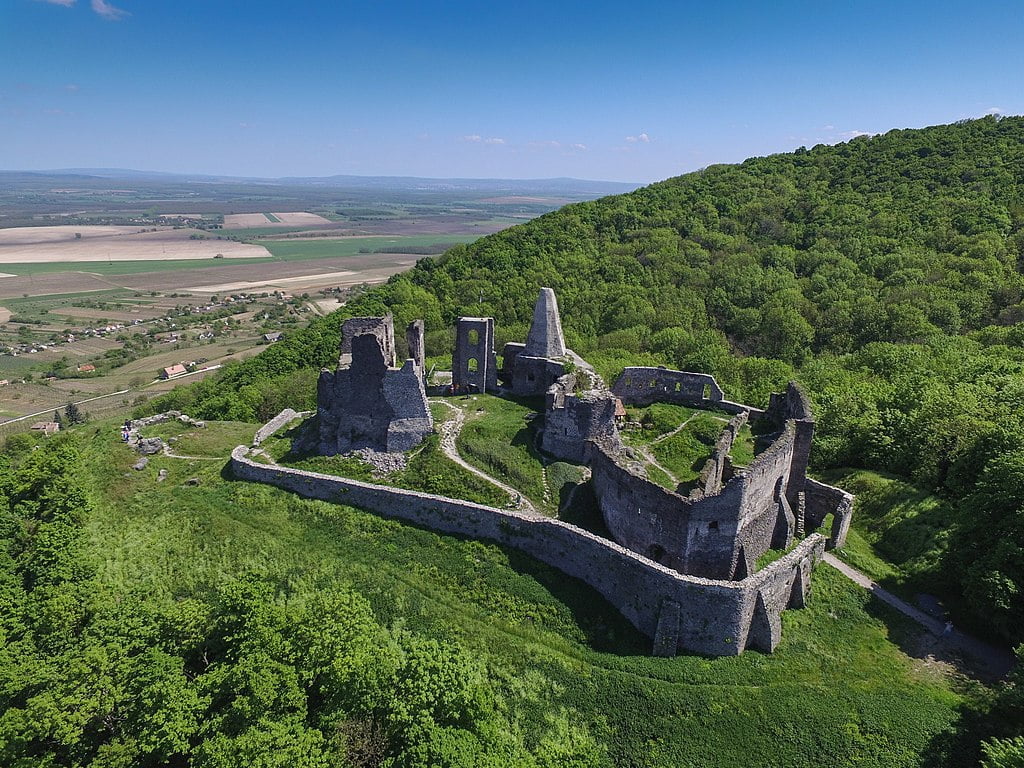
Somló Castle stands on a basalt cone on the northern side of Somló Hill, overlooking one of Hungary’s distinctive wine regions. The medieval fortress changed hands among important noble families and was briefly associated with the famous soldier Pál Kinizsi.
During Rákóczi’s War of Independence it served as a supply point for food and ammunition. Its military role ended after the rebellion, and the castle gradually deteriorated. Tourism development and conservation have continued in modern times, so access conditions should be checked before making a dedicated trip.
Location: Somló/Doba · Type: medieval hilltop ruins · Visit: check current local access because restoration work can affect entry.
14. Royal Palace of Gödöllő
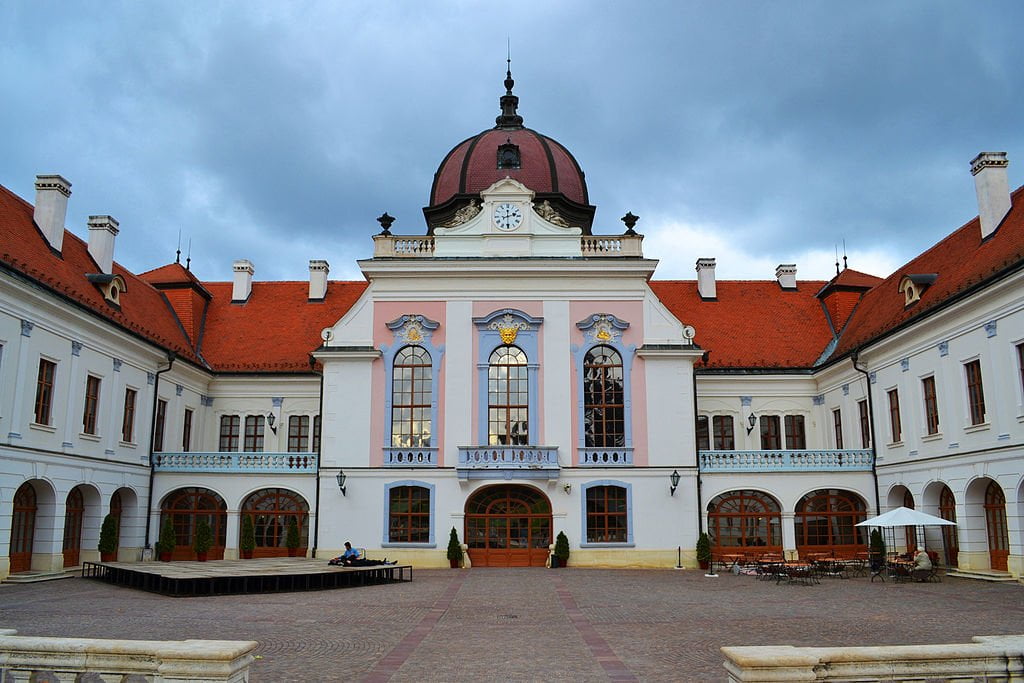
The Royal Palace of Gödöllő is a palace rather than a medieval castle, but it is one of Hungary’s essential aristocratic sites. Count Antal Grassalkovich I began the great Baroque residence around 1735, creating a double U-shaped complex that influenced palace design elsewhere in Hungary.
Its second golden age began in 1867 when the Hungarian state presented the palace to Emperor Franz Joseph and Empress Elisabeth—Queen of Hungary—as a coronation gift. Elisabeth, known as Sisi, became particularly associated with Gödöllő.
Location: Gödöllő, east of Budapest · Built: from c. 1735 · Style: Baroque · Visit: official Royal Palace site.
15. Tata Castle
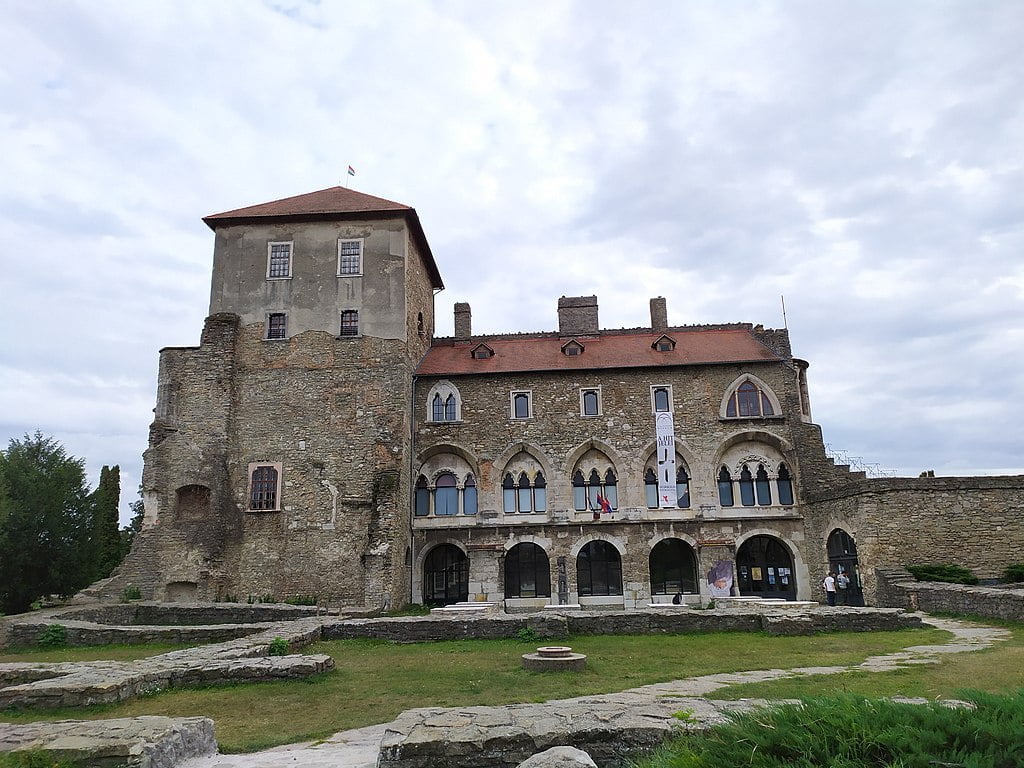
The previous article incorrectly dated Tata Castle to the 9th century. The present castle developed much later: Palatine István Lackfi established a castle here in the late 14th century, and King Sigismund transformed Tata into a royal castle-palace around the turn of the 15th century. Matthias Corvinus later developed it as a Renaissance residence.
The lakeside castle now houses the Kuny Domokos Museum, whose collections and displays include archaeological finds connected with Tata’s royal medieval past.
Location: Tata, Old Lake · Castle development: late 14th–15th century · Visit: Kuny Domokos Museum.
Revisit More Historic Places Below or Read Further
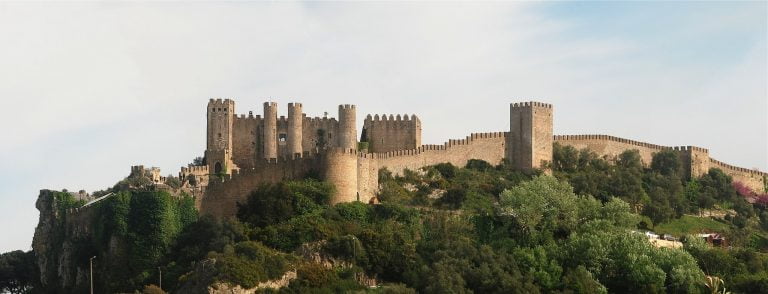
16. Simontornya Castle
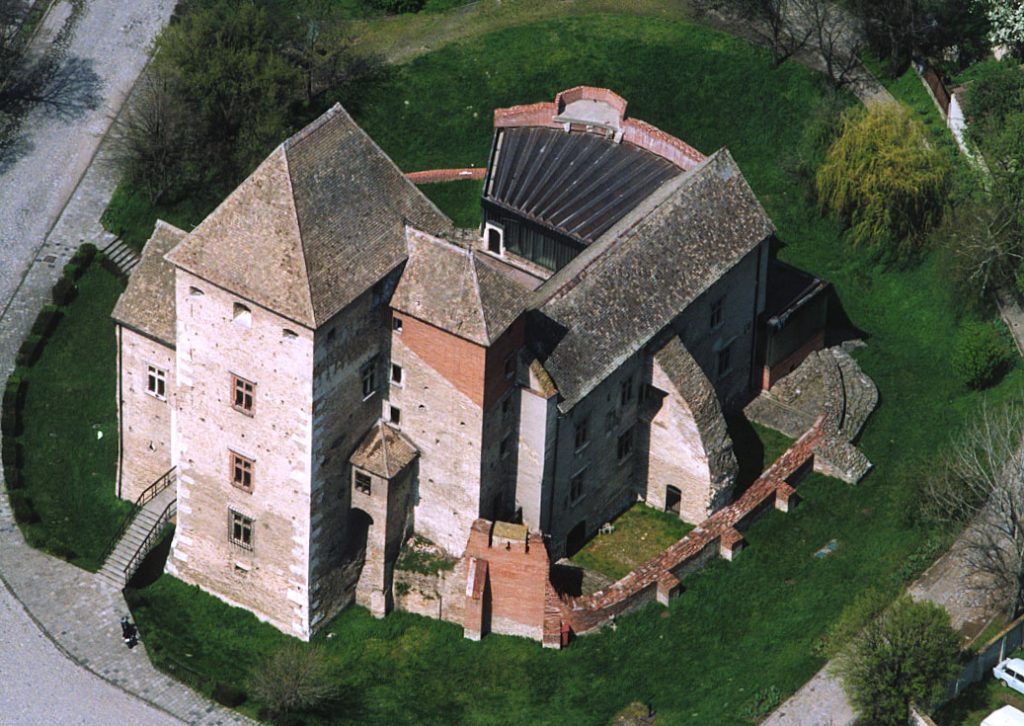
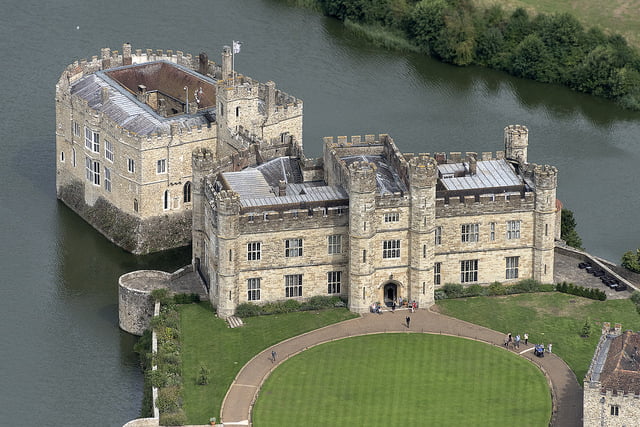
Simontornya developed from a medieval tower castle and was transformed considerably during the late Middle Ages and Renaissance. Its name literally evokes “Simon’s tower,” and the fortress later acquired elegant residential elements as its military and aristocratic roles overlapped.
The castle spent more than a century under Ottoman rule. Archaeological excavation and restoration began in the 20th century, and today the Castle Museum displays archaeological material, weapons, stove tiles, historical interiors and restored late-Gothic fireplaces.
Location: Simontornya · Origins: medieval, later Renaissance rebuilding · Visit: Simontornya Castle Museum.
17. Boldogkő Castle
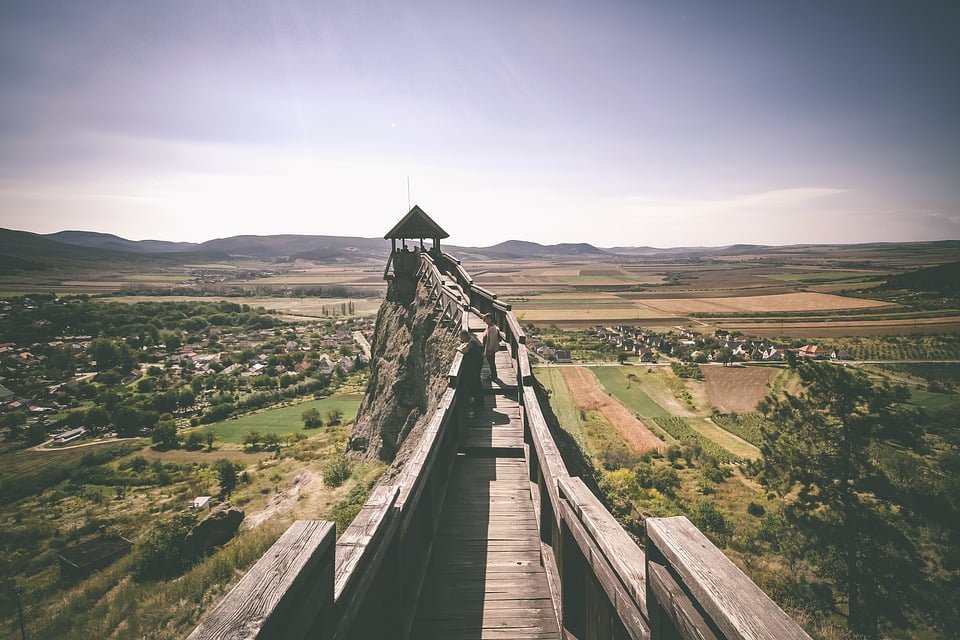
Boldogkő Castle occupies a spectacular narrow ridge in the Zemplén Mountains. Its precise foundation date is uncertain, but the stronghold is associated with the 13th century and the defense of the route toward Košice. The Tomaj clan was among its early owners before the castle passed into royal hands.
Modern visitors can explore the lower and upper castle, military-history displays, archaeological exhibits and the famous ridge-top lookout. The dramatic setting is as important to the experience as the architecture itself.
Location: Boldogkőváralja · Origins: 13th century · Visit: current Visit Hungary guide.
18. Füzér Castle
Füzér replaces an incorrect entry in the old list that placed Károlyi Castle in Carei, Romania, inside Hungary. Füzér is a genuine medieval Hungarian fortress built high on a volcanic cone in the Zemplén Mountains. It was already in existence by the mid-13th century and later became strongly associated with the Perényi family.
After the Battle of Mohács in 1526, Crown Guard Péter Perényi had the Holy Crown of Hungary taken to Füzér for safekeeping. The castle later fell into ruin, but major modern reconstruction has restored the Lower Castle and important parts of the Upper Castle, including the chapel and palace wing.
Location: Füzér, Zemplén Mountains · Origins: early/mid-13th century · Visit: official Füzér Castle site.
19. Brunszvik Mansion, Martonvásár
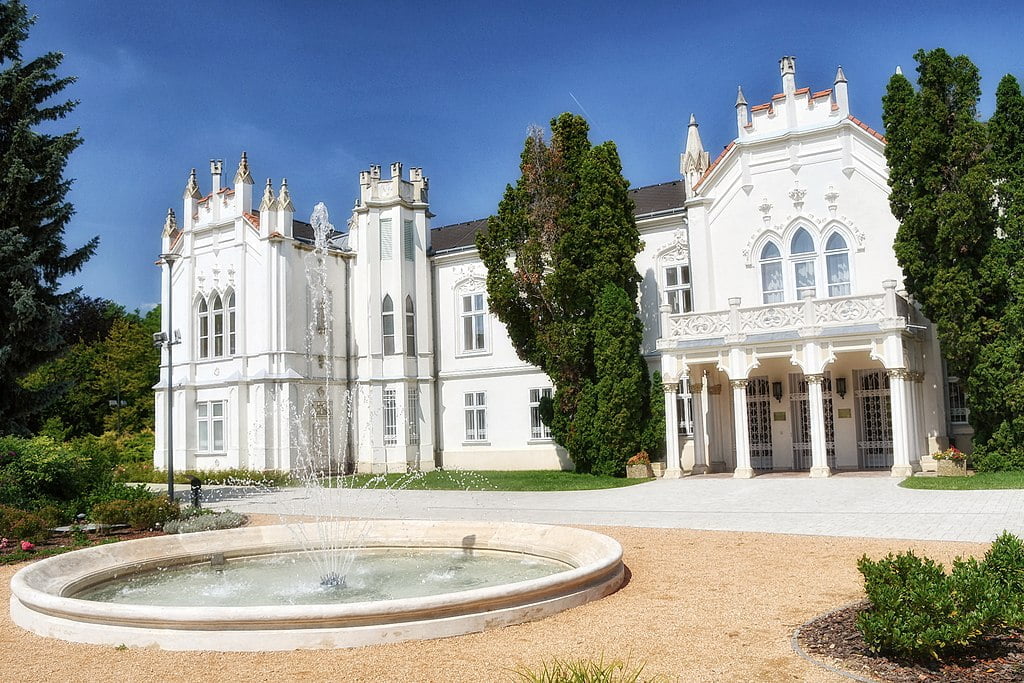
Brunszvik Mansion is another palace-style residence rather than a defensive castle. The Brunszvik family developed the estate at Martonvásár from the late 18th century, and later rebuilding gave the mansion its romantic Neo-Gothic appearance.
The estate is especially associated with Ludwig van Beethoven and the Brunszvik family. A Beethoven memorial exhibition operates at Martonvásár, and the landscaped castle park remains a venue for classical concerts.
Location: Martonvásár · Type: aristocratic mansion / Neo-Gothic residence · Visit: park and Beethoven-related exhibitions; check current opening information before travelling.
Planning to Visit Nearby Countries? Continue With These Castle Guides: