Corvin Castle – History Behind the Legends
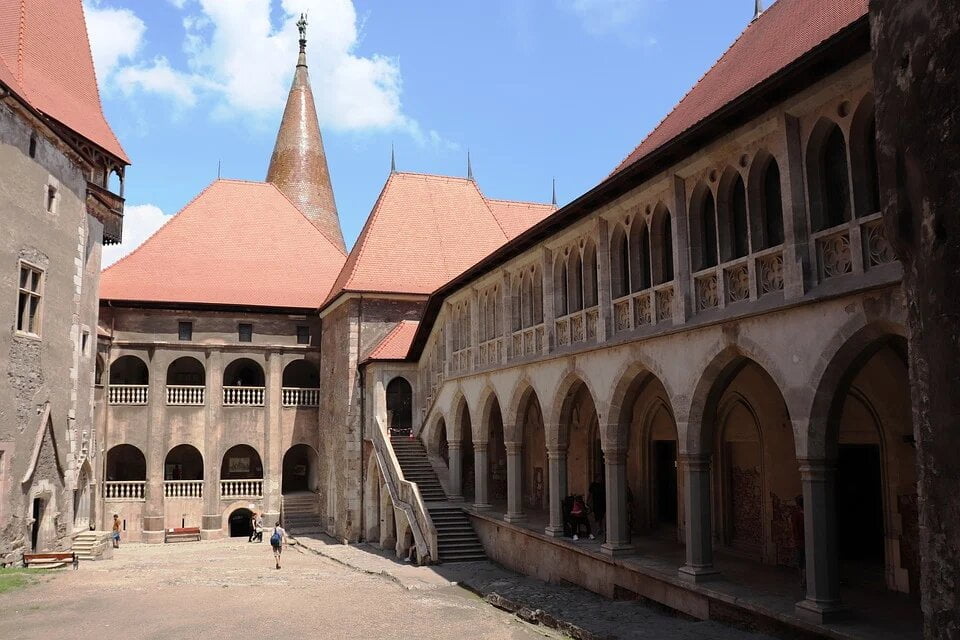
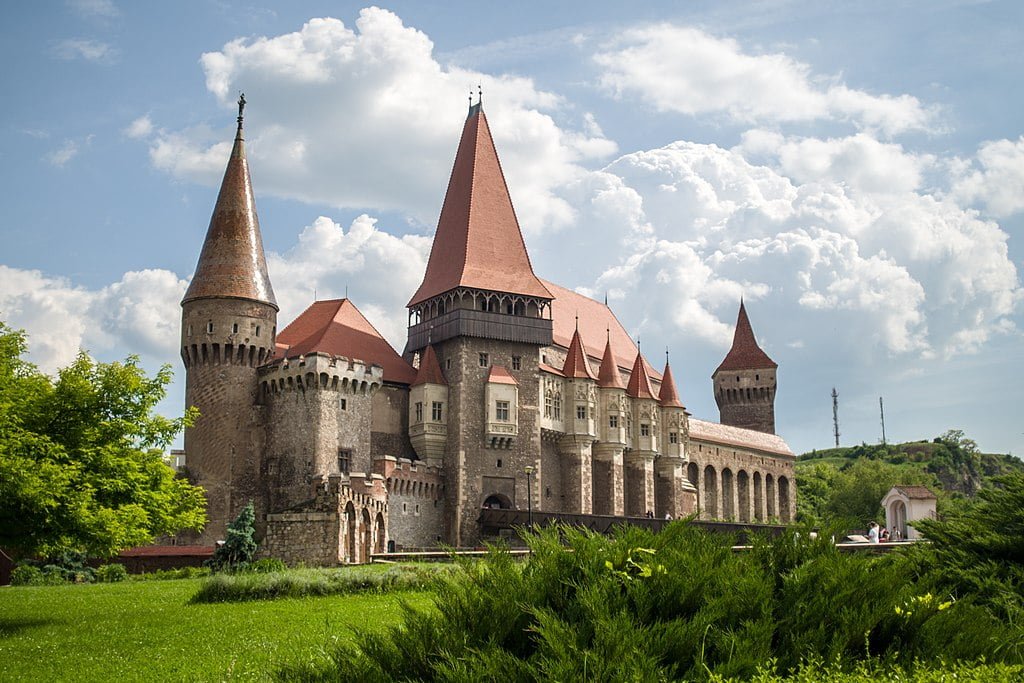
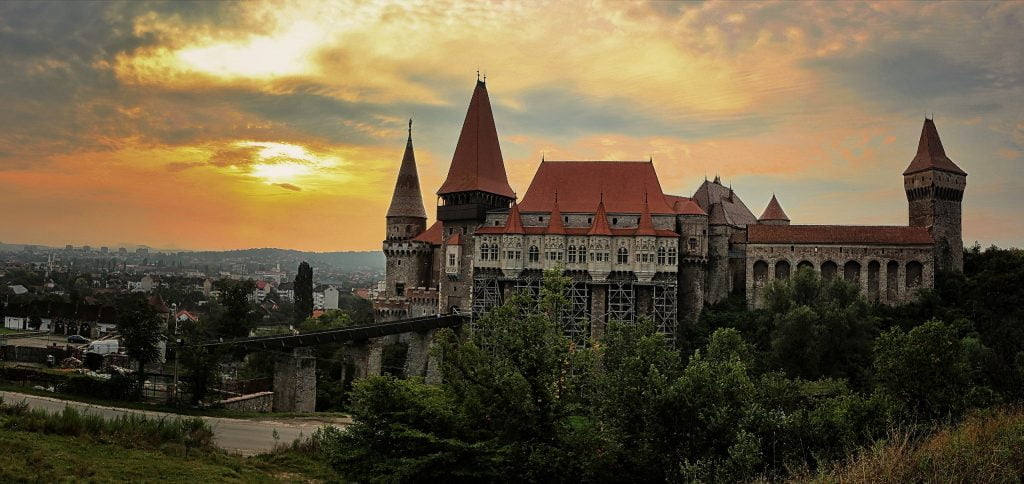
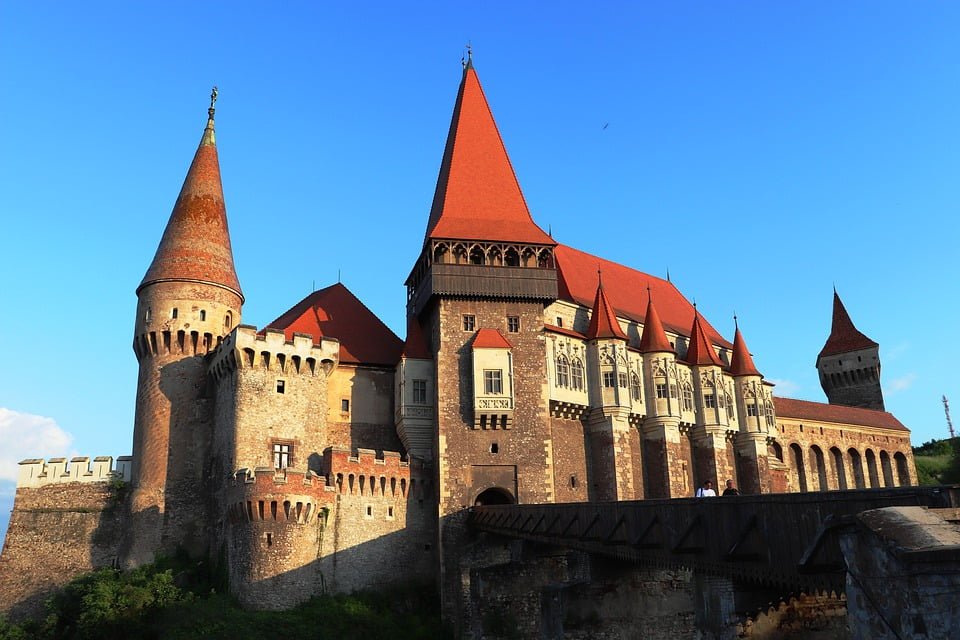
Corvin Castle, also known as Hunyadi Castle or Hunedoara Castle, is one of Romania’s most imposing historic monuments. Its towers, bridge and steep roofs create a late-medieval silhouette, but the building is the result of several major construction and restoration phases.
John Hunyadi transformed an earlier royal fortification after 1440, adding defensive walls, towers, a chapel and sophisticated ceremonial halls. Gabriel Bethlen expanded the complex in the 17th century, while 19th-century restorers gave parts of the roofline and exterior their present Romantic appearance.
Corvin belongs among the best castles to visit in Romania, but its documented architectural history is more reliable than the many Dracula and torture legends attached to it.
Corvin Castle is the product of repeated medieval, Renaissance and 19th-century building campaigns—not a single untouched Gothic construction.
Frequently Asked Questions
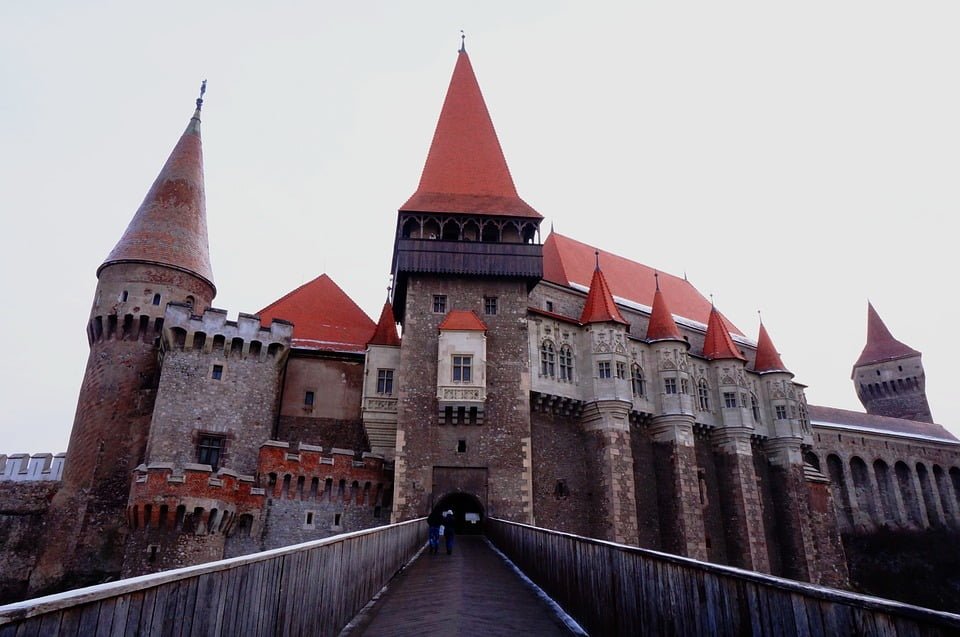
Corvin Castle stands in Hunedoara, Romania, above the Zlaști valley. Visitors enter across the long bridge leading to the main gate.
John Hunyadi began the major transformation after 1440, expanding an earlier royal stone fortification into a late Gothic castle. Later owners, especially Gabriel Bethlen, added further buildings and defences.
The story is widely repeated, but firm documentary evidence tying Vlad III to a long imprisonment at Corvin Castle is lacking. It should be treated as a legend rather than established history.
Yes. The castle operates as a museum, with seasonal opening hours and separate fees for some services. Check the official visitor page for the current schedule and prices.
FOR HISTORY | BEAUTIFUL IMAGES | INTERESTING FACTS | TRAVEL TIPS
History of Corvin Castle
The Earlier Royal Fortification
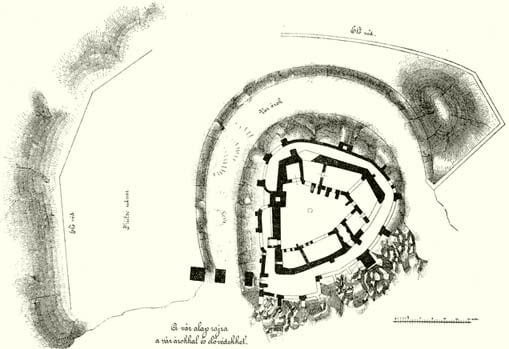
The official castle history describes the first stone fortification at Hunedoara as an elliptical enclosure built directly on the rock, with walls up to about two metres thick. Most researchers date it to the 14th century, although some propose an early-15th-century origin. It was a Hungarian royal fortification—not a keep built by Charles I of England.
John Hunyadi’s 15th-Century Castle
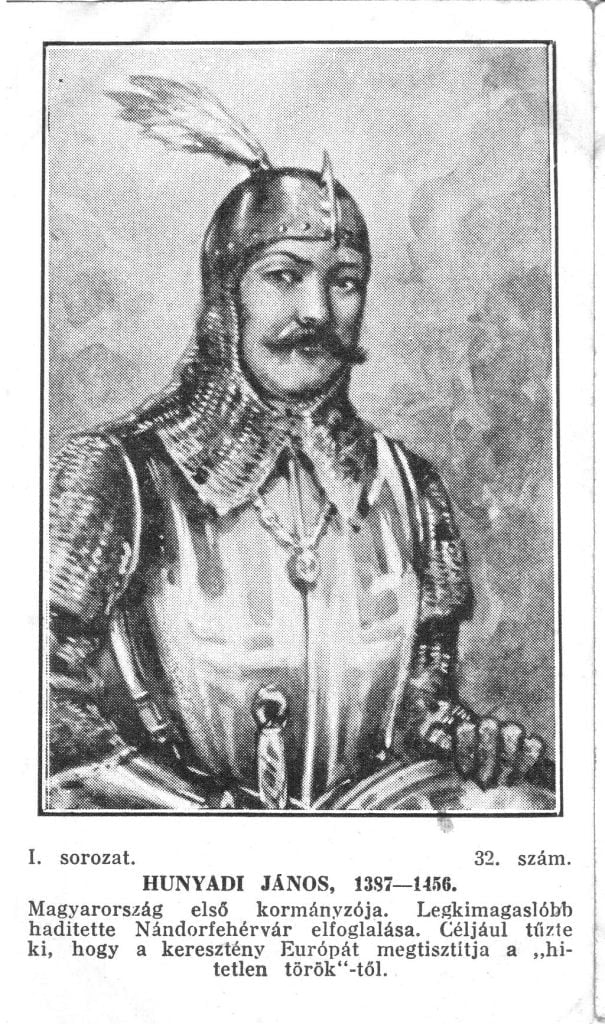
After 1440, John Hunyadi began turning the older fort into a much larger castle. New curtain walls were flanked by circular and rectangular towers designed for both bows and firearms. The long entrance bridge, chapel, Knights’ Hall, Diet Hall and spiral stair reflected both military needs and the status of one of the kingdom’s most powerful nobles.
The first phase was largely complete before Hunyadi became governor of Hungary in 1446. Later work increased the residential and ceremonial character of the complex. Construction continued after his death in 1456, including work associated with his son Matthias Corvinus, and the main late-medieval campaign ended around 1480.
Gabriel Bethlen’s 17th-Century Changes
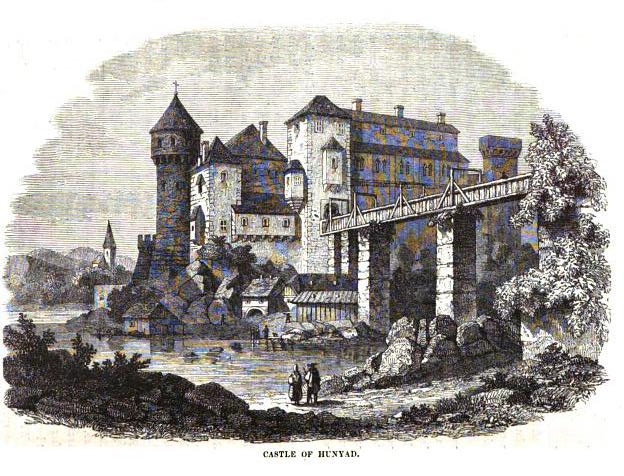
Prince Gabriel Bethlen modernised the castle for early-modern life and warfare. He added the Great Palace facing the town, altered the Diet Hall and chapel, built the White Tower and created an artillery terrace. These interventions changed the medieval interior while keeping the castle strategically useful.
Fire, Restoration and the Romantic Skyline
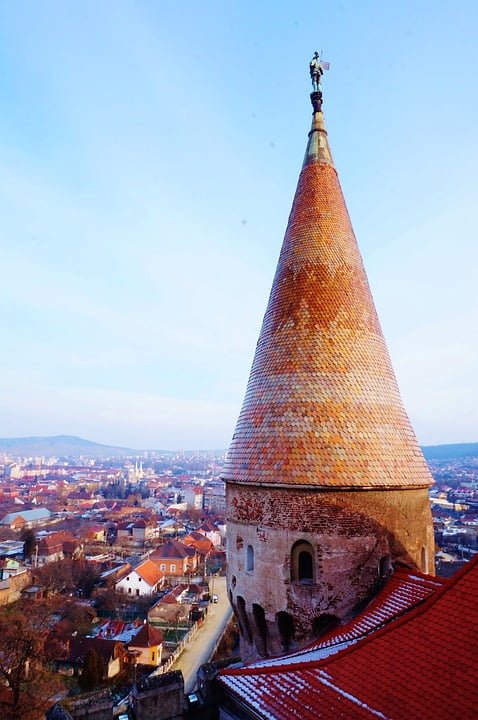
Fires and long periods of changing ownership damaged parts of the complex. The most visible restoration campaigns took place in the 19th century, when architects rebuilt roofs at a steeper pitch, added glazed tiles and introduced new crenellations and decorative stonework. The picturesque exterior therefore combines medieval fabric with later historical interpretation.
Revisit More Historic Places Below or Read Further
Corvin Castle Today
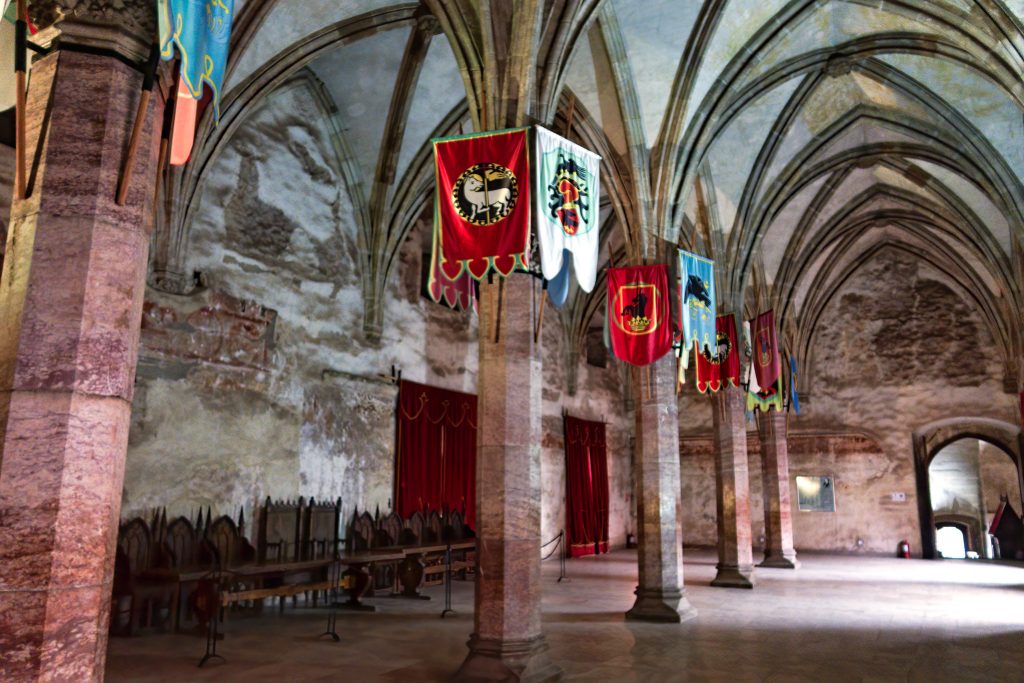
Corvin Castle is now a museum owned by the municipality of Hunedoara. Visitors can explore courtyards, halls, towers, the chapel and changing exhibitions. The route highlights the building’s mix of Gothic, Renaissance and Baroque-era alterations rather than presenting it as a single-period fortress.
The castle’s legends remain part of its appeal, but they need clear labels. The official site treats the raven-and-ring story and the tale of three Turkish prisoners digging the well as legends. Claims that Vlad the Impaler spent years imprisoned here are not securely documented and should not be repeated as fact.
Interesting Corvin Castle Facts
- The first stone fortification at Hunedoara was probably built in the 14th century, although some researchers date it to the early 15th.
- John Hunyadi began a major expansion after 1440.
- The Knights’ Hall and Diet Hall are rare examples of refined late Gothic civil architecture in Transylvania.
- The Nje Boisia tower has five defensive levels and connects to the castle by a gallery more than 33 metres long.
- Gabriel Bethlen reshaped parts of the castle in the 17th century and added artillery defences.
- The famous well-and-prisoners story is a legend; the surviving inscription does not say “You have water, but no heart.”
- The raven holding a gold ring belongs to the Corvin family’s legendary heraldic story.
Visiting Corvin Castle: Practical Information
Getting to Corvin Castle
The castle is at Strada Castelului 1–3 in Hunedoara. Deva is the nearest major transport hub; regional buses connect Deva and Hunedoara, while drivers can follow signs to the castle area. Public-transport schedules change, so check the current route close to your travel date.
Opening Times and Tickets
For April through September 2026, the official site lists later opening on Mondays and longer daytime hours from Tuesday to Sunday. Admission covers the castle museum, Guild House and archaeology exhibition; guide and photography services have separate fees.
How Long Should You Spend at Corvin Castle?
Allow one and a half to two hours for the principal halls, towers, courtyards and exhibitions. Add time if you join a guided tour or want to photograph the exterior from several viewpoints.
Hours and admission vary by season. The official site currently publishes 2026 summer hours and ticket categories, including additional photography and guide fees. Check the official Corvin Castle visitor information before travelling.
Practical Tips
- Wear shoes with good grip: stairs, balconies and elevated galleries can be steep or uneven.
- Supervise children closely around parapets and high walkways.
- Check whether photography fees apply to your planned equipment.
- Do not rely on sensational torture or Dracula stories as literal history; the castle’s documented architecture is more interesting.
- Combine the visit with Deva Fortress if you are travelling through the region.
Quick Video Tour of Corvin Castle