10 Oldest Castles in the World | History & Travel Tips!
What counts as the world’s oldest castle depends on how strictly we define the word castle. Some sites began as ancient fortified hills or citadels and only acquired the structures we see today centuries later; others are medieval castles whose surviving fabric can be dated much more precisely. This list keeps that distinction clear rather than assigning a single construction date to a site with many building phases.
Citadel of Aleppo, Syria (ancient site; medieval citadel)
The hill beneath the Citadel of Aleppo has an exceptionally long history. Archaeological evidence shows human use of the citadel hill by the early third millennium BC, while its history as a fortified acropolis began much later. The monumental defenses visible today are principally medieval, especially Ayyubid and Mamluk work from the 12th to 14th centuries. UNESCO describes the citadel as a major example of medieval Arab military architecture, with a moat, stone-faced glacis, towers, gateway, mosques, palace buildings and baths.
So calling Aleppo a “3rd-millennium-BC castle” is misleading: the site is that old, not the standing castle. It is part of the UNESCO-listed Ancient City of Aleppo. UNESCO’s history of Ancient Aleppo provides useful context for its successive building phases.
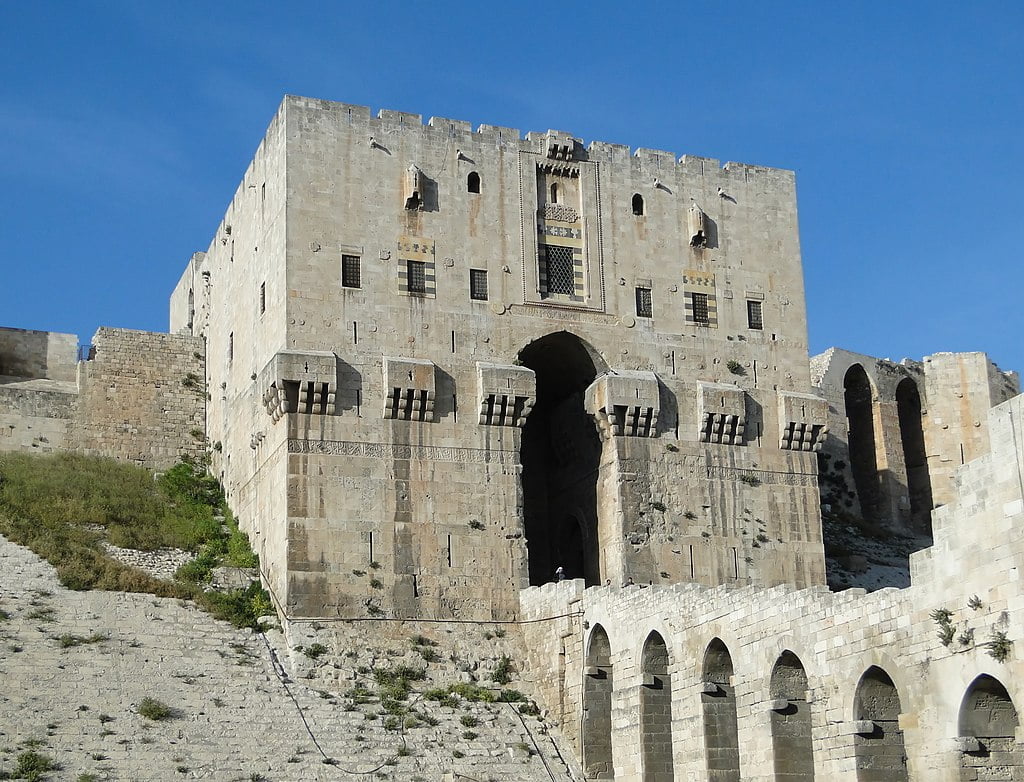
Hohensalzburg Fortress, Austria (1077)
Hohensalzburg’s documented story begins in 1077, when Archbishop Gebhard ordered the first fortifications on the Festungsberg during the Investiture Controversy. Successive prince-archbishops enlarged the complex for centuries, and intensive work around 1500 under Leonhard von Keutschach gave much of the fortress its present appearance. The fortress’s own historical account notes that it was never taken by military force.
Today it is one of Europe’s largest intact medieval fortress complexes. For more Austrian sites, see our guide to the best castles in Austria. The official Hohensalzburg history gives the building chronology.
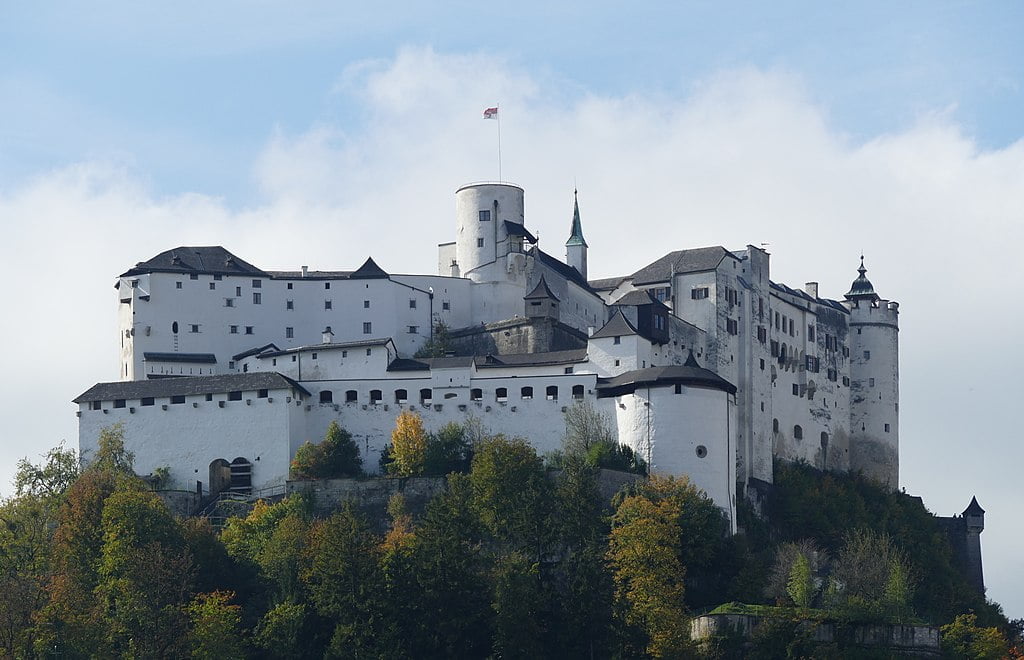
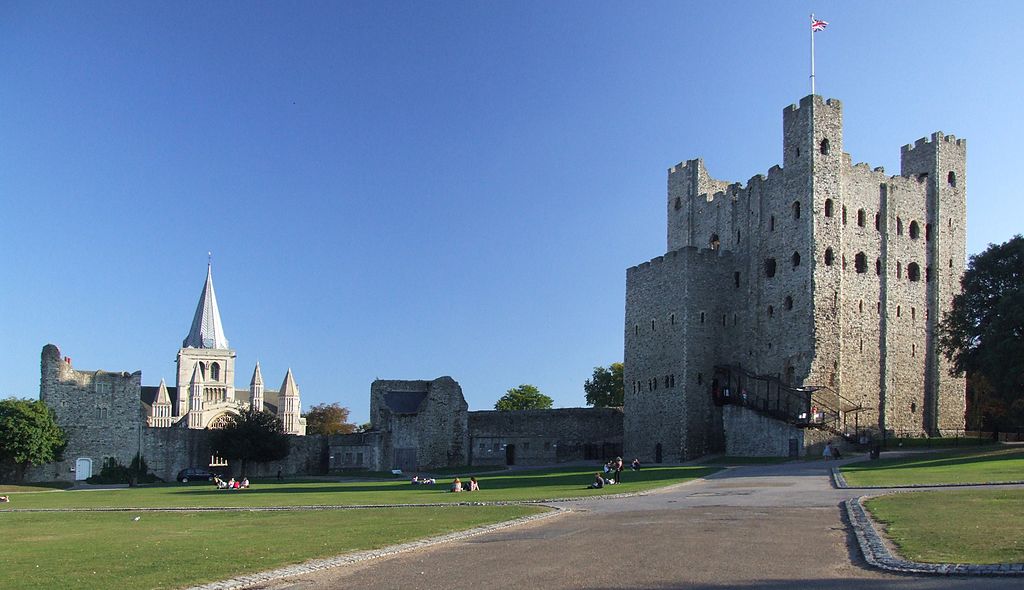
Rochester Castle, England (late 11th century; keep c. 1127)
Rochester is a good example of why castle dates need qualification. A Norman castle existed here soon after 1066, and Bishop Gundulf rebuilt part of its defenses in stone in the 1080s. The enormous tower keep that dominates the site, however, was begun around 1127 by William de Corbeil, Archbishop of Canterbury, after Henry I entrusted the castle to him.
The castle guarded the strategically important River Medway crossing and endured major sieges, most famously King John’s siege of 1215. Its keep remains one of England’s finest examples of Norman castle architecture. English Heritage documents the distinction between Gundulf’s earlier stonework and the later keep.
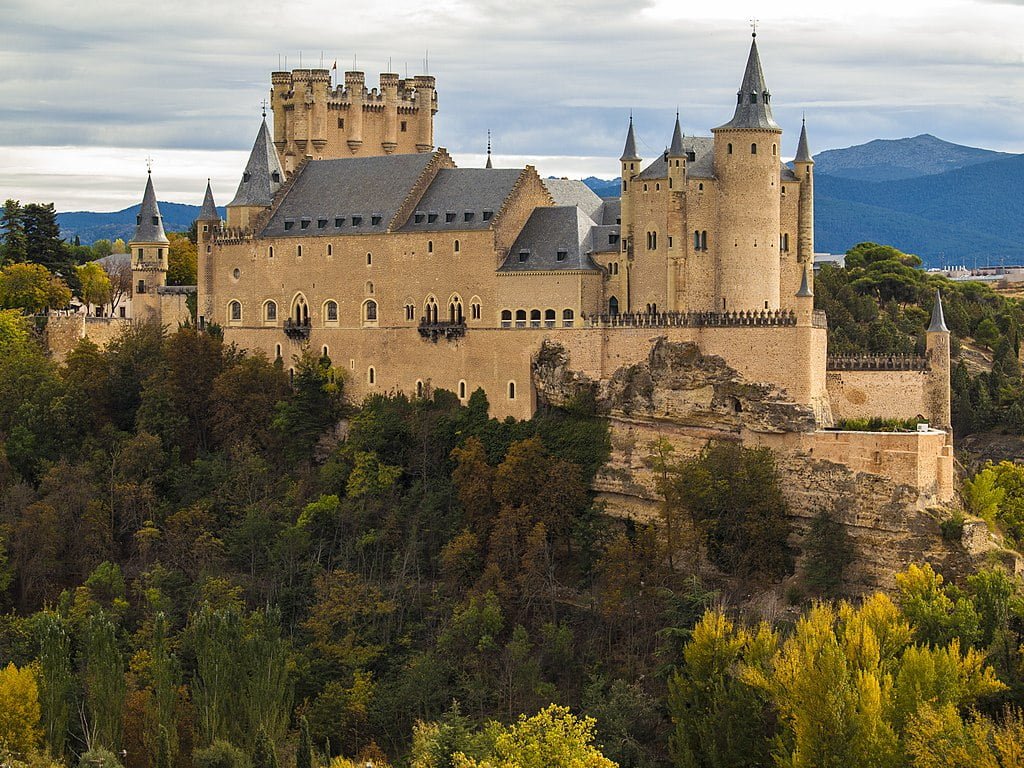
Alcázar of Segovia, Spain (documented 12th century)
The Alcázar of Segovia occupies a dramatic rock between the Eresma and Clamores rivers. Rather than assigning its construction to Alfonso VI, the safer date comes from documentation: the fortress appears in written records in the early 12th century, with the terms “castillo de Segovia” and “Alcaçar” appearing between 1124 and 1139. Later Castilian monarchs transformed it into both a royal residence and formidable fortress.
Much of the palace visitors see reflects later medieval and early-modern rebuilding, and a serious fire in 1862 was followed by restoration. Segovia’s entire Old Town and Roman Aqueduct form the UNESCO World Heritage property; the Alcázar is one of the city’s major monuments, rather than a separately inscribed World Heritage Site. Read more in our guide to the best castles in Spain or the official Alcázar history.
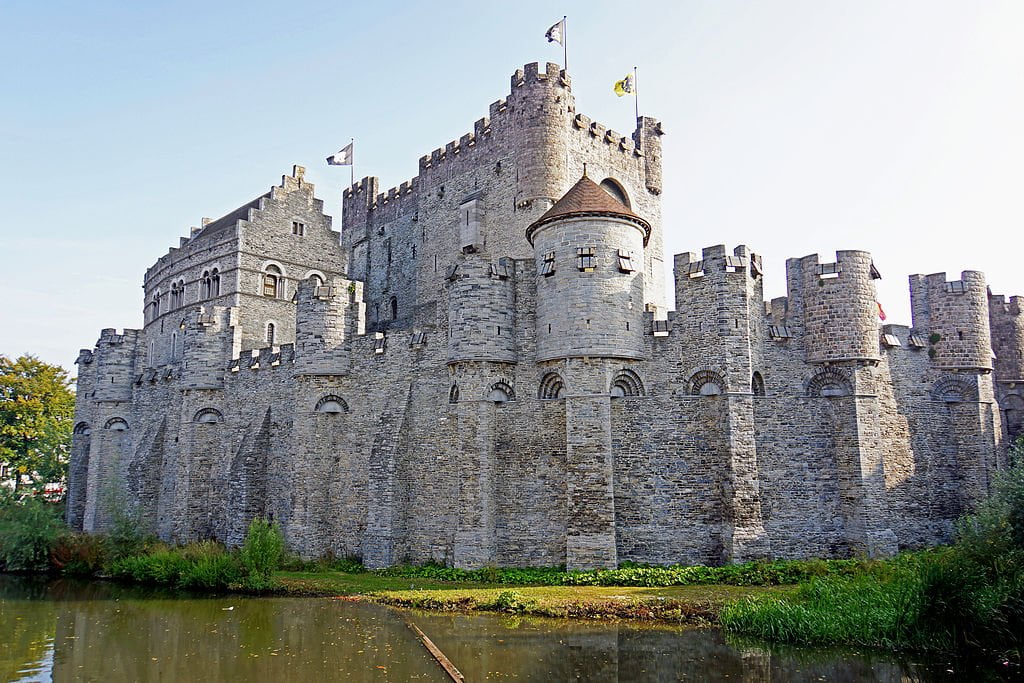
Gravensteen, Belgium (1180)
The Castle of the Counts is the Gravensteen in Ghent, not Leuven. Count Philip of Alsace built the present castle in 1180 on the site of an earlier 9th- or 10th-century stronghold. Its gatehouse, curtain wall, keep and associated buildings projected comital power directly over the city.
After the counts ceased using it as their principal residence, the complex served other functions and eventually became an industrial site before restoration. We have a dedicated Gravensteen Castle history and travel guide, while Visit Gent confirms Philip’s 1180 construction date.
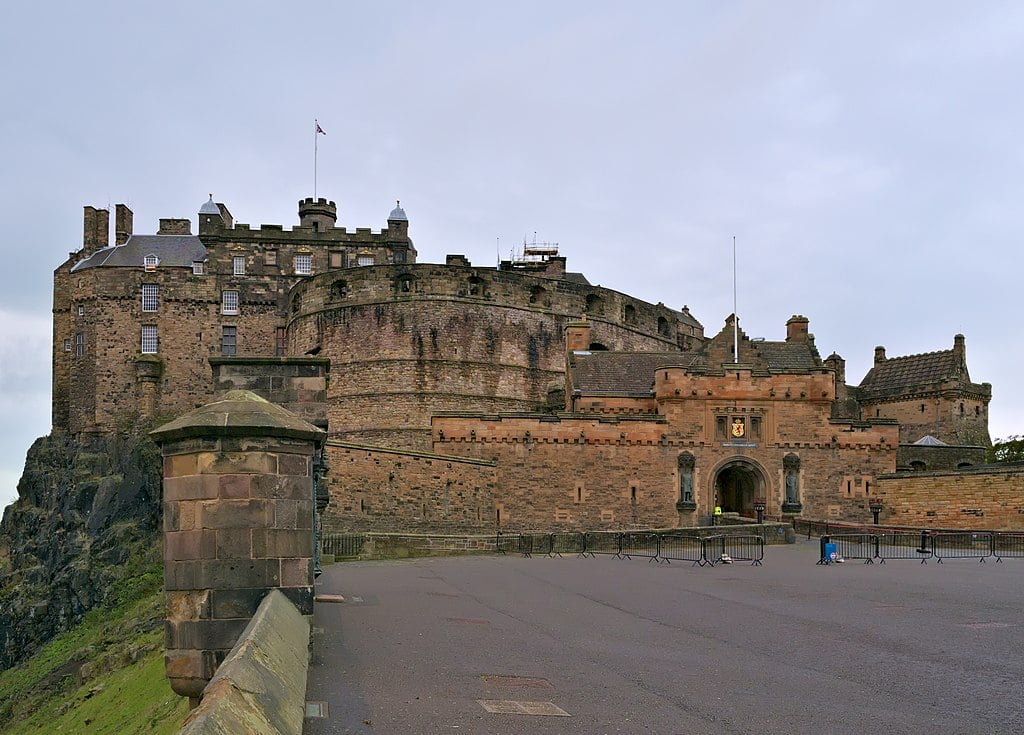
Edinburgh Castle, Scotland (royal stronghold by the 11th–12th centuries)
Castle Rock was fortified long before the Middle Ages, but Edinburgh Castle’s royal associations can be traced back roughly a millennium. The clearest surviving early medieval structure is St Margaret’s Chapel, built by David I around 1130 in memory of his mother. Much of the rest of the castle reflects later rebuilding because repeated sieges transformed the site.
Edinburgh Castle became one of Scotland’s most important royal residences and military strongholds. It was fought over repeatedly during the Wars of Scottish Independence, including a daring Scottish recapture in 1314. See our full Edinburgh Castle guide and Historic Environment Scotland’s history.
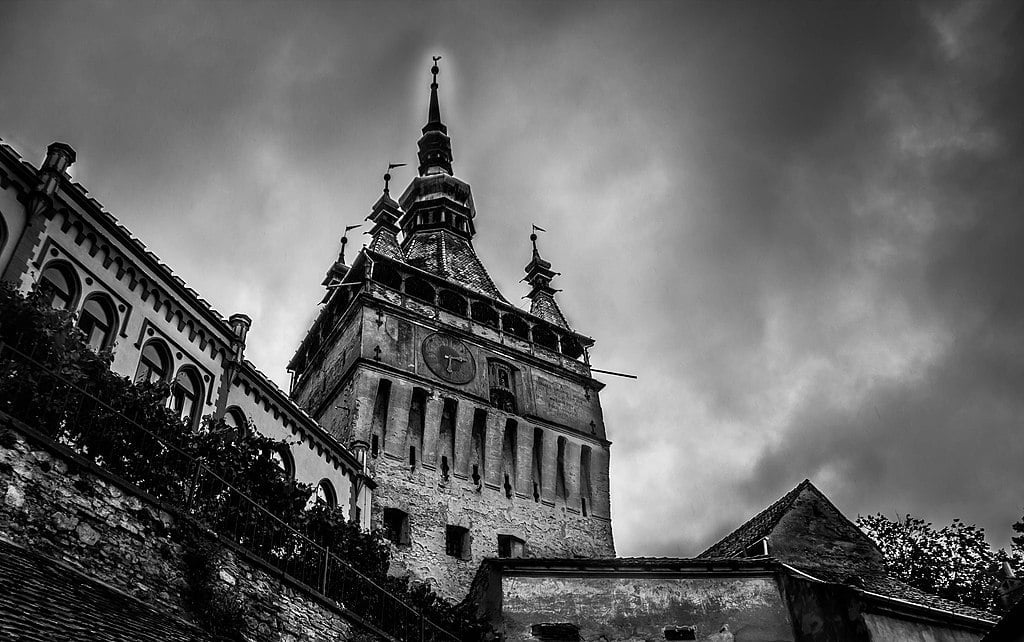
Sighișoara Citadel, Romania (medieval fortified town)
Sighișoara is better described as a fortified medieval town than as a single “Castle of Sighișoara.” Transylvanian Saxons developed the settlement from the 12th century onward, and its surviving walls, towers, streets and houses preserve an unusually coherent medieval urban landscape. The Clock Tower is one element of those town fortifications, not another name for the entire citadel.
The old claim that Vlad III Dracula was born “in the castle” is also too specific. Sighișoara is traditionally identified as his birthplace, but the famous house associated with his birth is within the town, not a castle. UNESCO inscribed the Historic Centre of Sighișoara for its outstanding surviving example of a small fortified medieval town. It also appears in our guide to the best castle destinations in Romania.
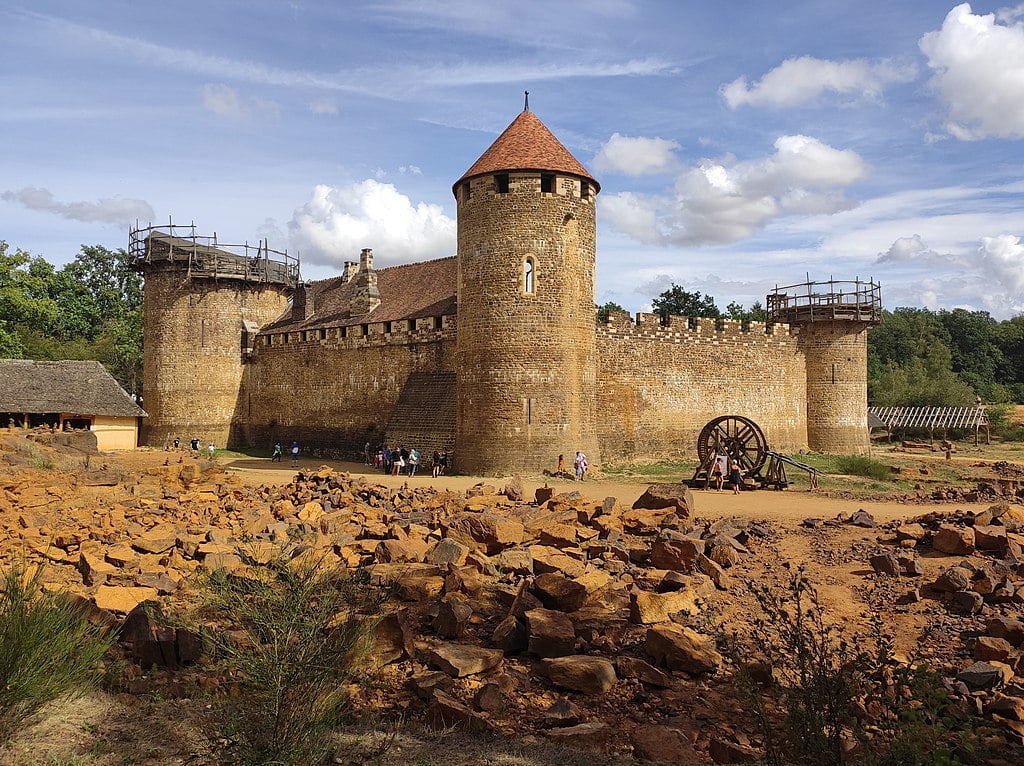
Guédelon Castle, France (modern experimental castle begun 1997)
Guédelon is not one of the world’s oldest castles. The previous version of this article incorrectly described it as a ruined 13th-century castle restored in the 1970s. In reality, Guédelon is a modern experimental archaeology project: construction began from scratch in 1997 using materials, tools and techniques intended to recreate how a modest early-13th-century castle could have been built.
We are retaining it here because it is a particularly useful comparison with the genuine medieval sites above. Its design follows castle-building principles associated with Philip Augustus, including high curtain walls, round flanking towers, arrow loops and twin towers protecting the gateway. The Guédelon project explicitly states that there was no earlier castle on the site, while its construction chronology records groundbreaking in 1997.
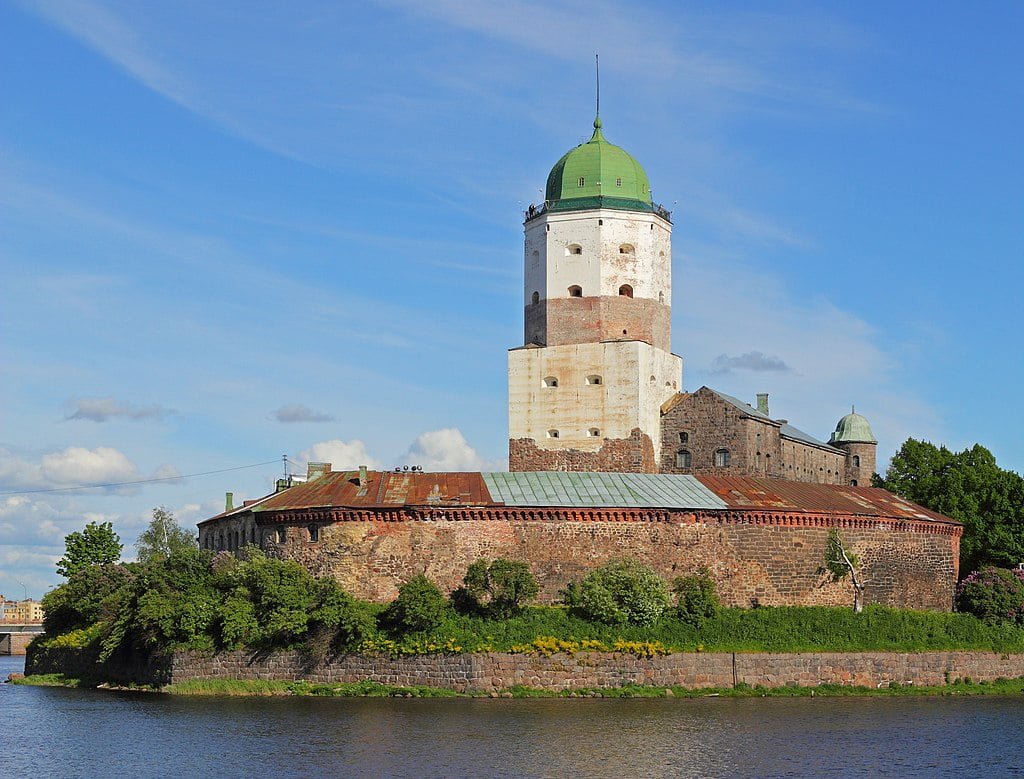
Vyborg Castle, Russia (1293)
Vyborg Castle was founded by the Swedes in 1293 during a Swedish campaign into Karelia. Its position on a small island made it a strategic stronghold on a contested frontier. The castle remained under Swedish control for centuries before Russian forces captured Vyborg in 1710 during the Great Northern War.
The complex has been repeatedly rebuilt, so its present appearance contains medieval foundations alongside substantial later alterations. For regional context, see our guide to castles in Russia.
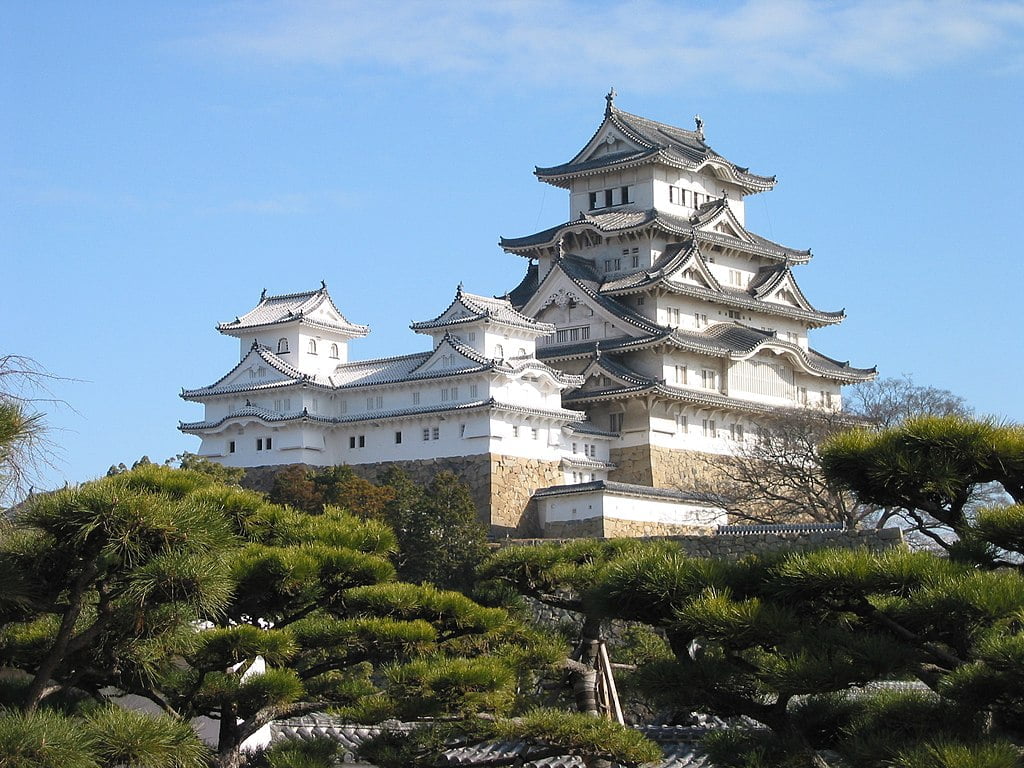
Himeji Castle, Japan (earlier castle site; surviving complex mainly 1601–1609)
Himeji has medieval origins, but describing the surviving castle simply as a structure “built in 1333” obscures its real architectural history. Earlier fortifications existed in the area, and Toyotomi Hideyoshi built a castle at Himeji in the late 16th century. UNESCO notes that almost all of the present World Heritage complex dates from the great rebuilding of 1601–1609, with later additions to the west bailey.
That surviving complex—82 designated buildings centred on the great keep—is one of the finest examples of early-17th-century Japanese castle architecture. Its white plastered walls inspired the name “White Heron Castle,” while its maze-like approaches, gates, walls and towers formed a sophisticated defensive system. UNESCO’s Himeji-jo listing provides the authoritative architectural description.
Fun fact: Himeji Castle appears in the 1967 James Bond film You Only Live Twice, where it stood in for a ninja training school. The castle’s much greater historical importance, however, is the extraordinary survival of its early Edo-period wooden architecture.
What This List Really Tells Us
There is no simple league table of the “oldest castles” because fortifications evolve. Aleppo’s citadel hill was occupied millennia before its surviving medieval defenses; Rochester combines late-11th-century curtain wall with a 12th-century keep; Edinburgh preserves one 12th-century chapel amid later rebuilding; and Himeji’s famous surviving complex is largely early 17th century despite older fortifications on the site.
The most useful way to compare these places is therefore to distinguish the age of the site, the foundation of the castle, and the date of the surviving buildings. That approach gives a more accurate picture of how castles changed with warfare, politics and architectural fashion over centuries.