The Best 20 Castles to Visit in France (Listed by Popularity)
What do you imagine when you think of France? Maybe the Eiffel Tower, vineyards, or a grand castle?
France is filled with royal palaces, fortified medieval castles and Renaissance châteaux, each reflecting a different chapter of the country’s history.
This guide introduces 20 of the best castles and château complexes to visit in France. The first ten cover some of the country’s best-known landmarks; the second half highlights ten more historic sites worth adding to an itinerary.
10 Famous Castles to Visit in France
There is no official popularity ranking for French castles. This order is a practical starting point rather than a live measure of current visitor numbers or search demand.
1. Palace of Versailles
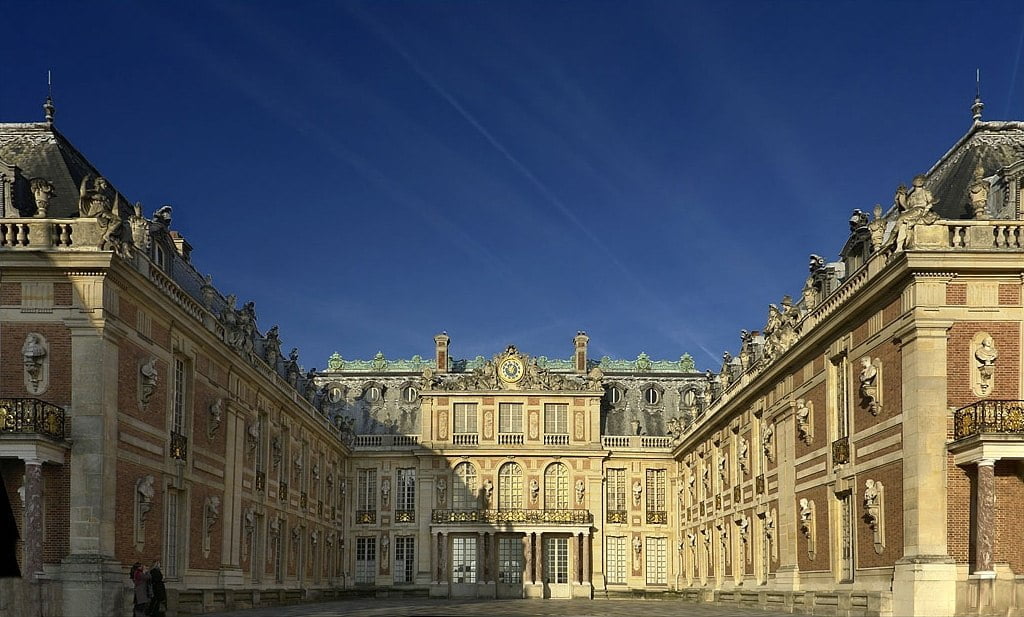
The Palace of Versailles is undoubtedly one of the most famous castles in the world, as well as one of the largest and most opulent.
This palace was the royal residence of the French monarchs, before the fall of the monarchy in 1789. Now, it is a famous museum displaying the history of France. It comprises a whopping 2300 rooms, landscaped gardens, a luxurious park and many other treasures. Be sure not to miss the highlight of the castle: the Hall of Mirrors, with over 357 mirrors across the walls and ceiling.
The palace is a very popular tourist destination. More than eight million people visit the castle every year. It is also a UNESCO World Heritage Site and the most visited castle in the country.
- Location: Versailles
- Time built: 17th Century
- Architectural style: French Baroque
- Touring: Allowed. Visit the official website for more information.
2. Mont-Saint-Michel
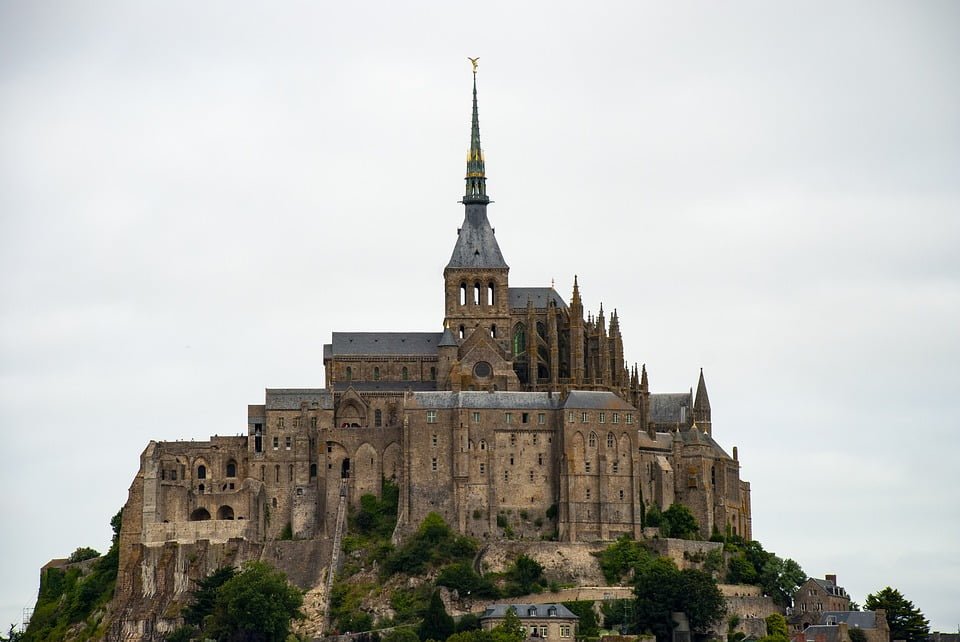
Mont-Saint-Michel is not simply a castle: it is a fortified tidal-island village crowned by a Benedictine abbey. According to tradition, Bishop Aubert of Avranches founded a sanctuary here in 708 after a vision of the Archangel Michael. Benedictine monks settled on the mount in 966, and the surviving abbey complex was developed over several centuries.
The mount became one of medieval Europe’s major pilgrimage destinations. Its walls also helped it withstand English attacks during the Hundred Years’ War. After the French Revolution, the abbey was used as a prison until the 19th century; today, the abbey, ramparts and village form one of France’s most distinctive UNESCO World Heritage sites.
- Location: Normandy
- Time built: Sanctuary founded in 708; abbey developed mainly from the 11th to 16th centuries
- Architectural style: Romanesque and Gothic
- Touring: Allowed. Visit the official abbey website for current information.
3. Château de Chambord
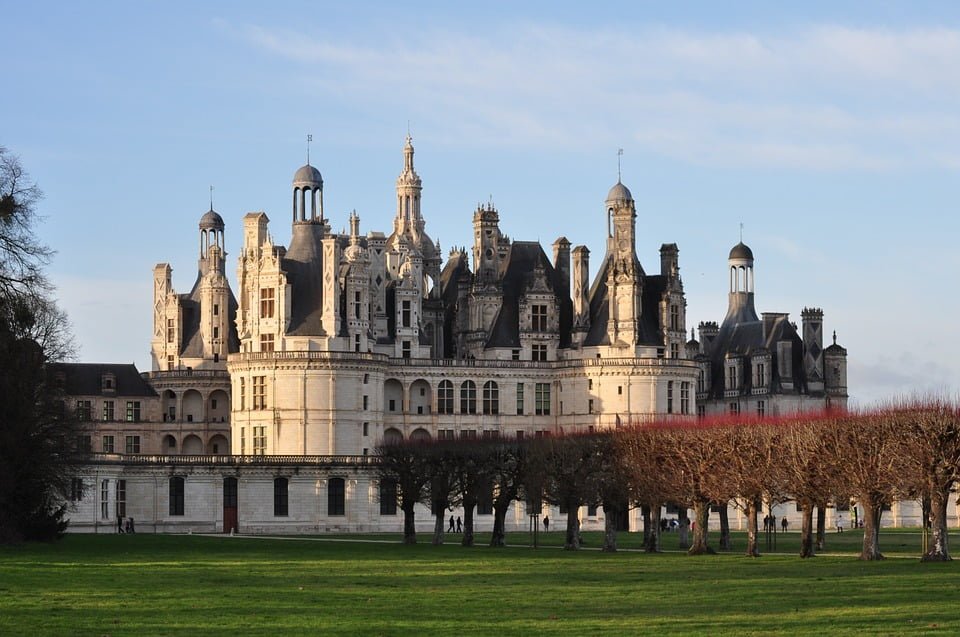
Château de Chambord is the largest château in the Loire Valley. Francis I commissioned it in the early 16th century as a royal residence and hunting retreat. Leonardo da Vinci is often linked to the design—especially the famous double-helix staircase—but no surviving document proves that he designed the château.
The castle welcomes many tourists every year, who come in to soak in the rich history and architecture of the place. Forests, landscaped gardens, and the largest enclosed park in Europe surround it. Listed as a UNESCO World Heritage Site, it now hosts major events and celebrities.
- Location: Chambord
- Time built: 16th Century
- Architectural style: French Renaissance
- Touring: Allowed. Visit the official website for more information.
4. Château de Chantilly
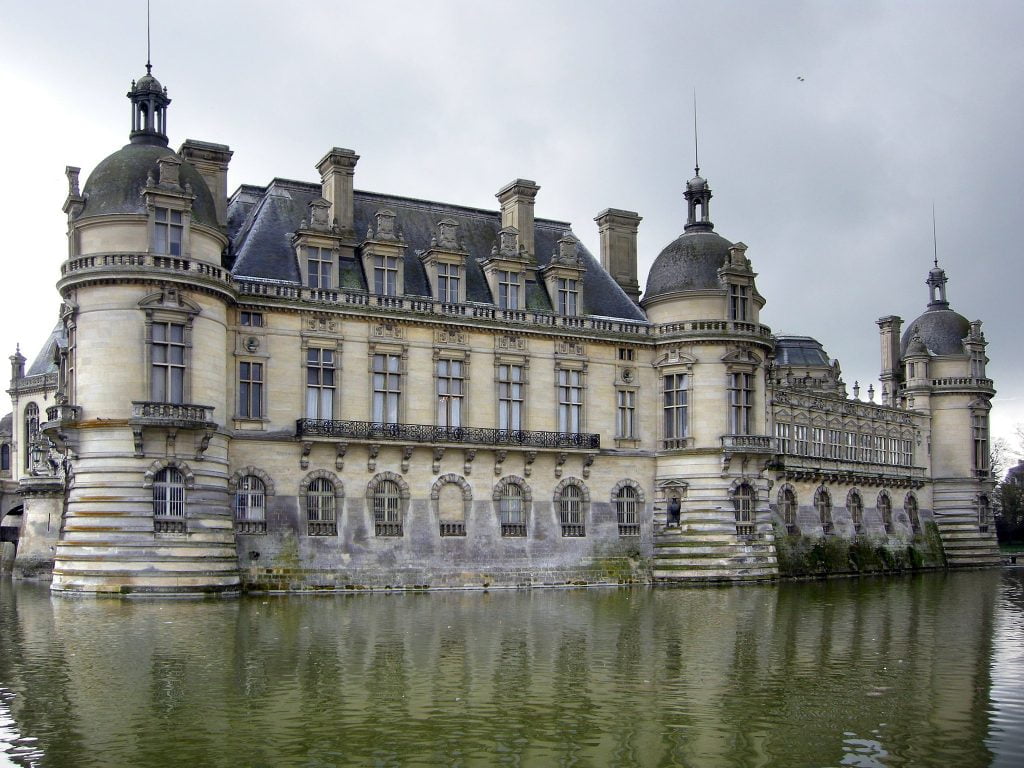
Château de Chantilly combines a surviving 16th-century Petit Château with the much larger 19th-century château rebuilt for Henri d’Orléans, Duke of Aumale. A major collector, the duke left the estate to the Institut de France together with the Musée Condé, whose paintings, manuscripts and historic rooms remain central to a visit.
The estate also includes formal gardens associated with André Le Nôtre, landscaped parkland and the Great Stables. Inside, visitors can see the Grands Appartements, the library and the Musée Condé collections.
- Location: Chantilly
- Time built: 16th-century core; largely rebuilt in the 19th century
- Architectural style: Renaissance and Renaissance Revival
- Touring: Allowed. Visit the official website for current information.
5. Château de Chenonceau
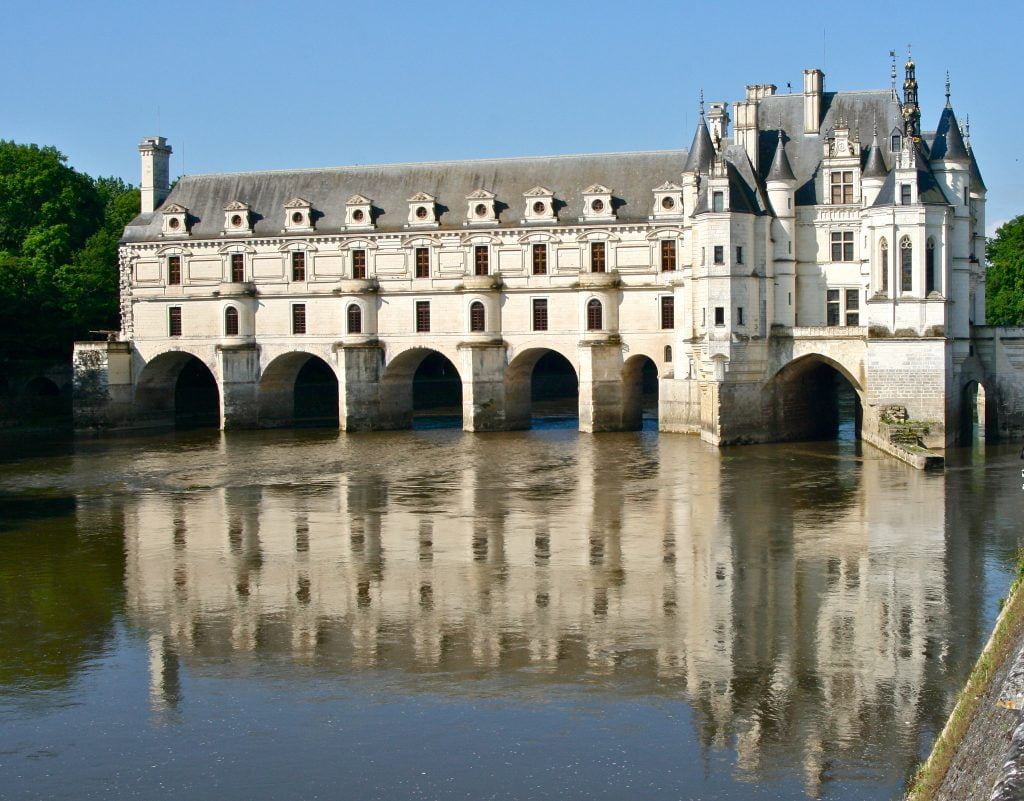
Château de Chenonceau is one of the Loire Valley’s best-known châteaux, famous for the gallery that spans the River Cher. Often called the “Ladies’ Château,” it was shaped by a succession of influential women, including Katherine Briçonnet, Diane de Poitiers, Catherine de’ Medici and Louise Dupin.
The furnished rooms, art collection, river views and formal gardens make Chenonceau one of the most rewarding stops in the Loire Valley.
- Location: Chenonceaux
- Time built: 16th century
- Architectural style: Late Gothic and early Renaissance
- Touring: Allowed. Visit the official website for more information.
Revisit More Historic Places Below or Read Further
6. Château Gaillard
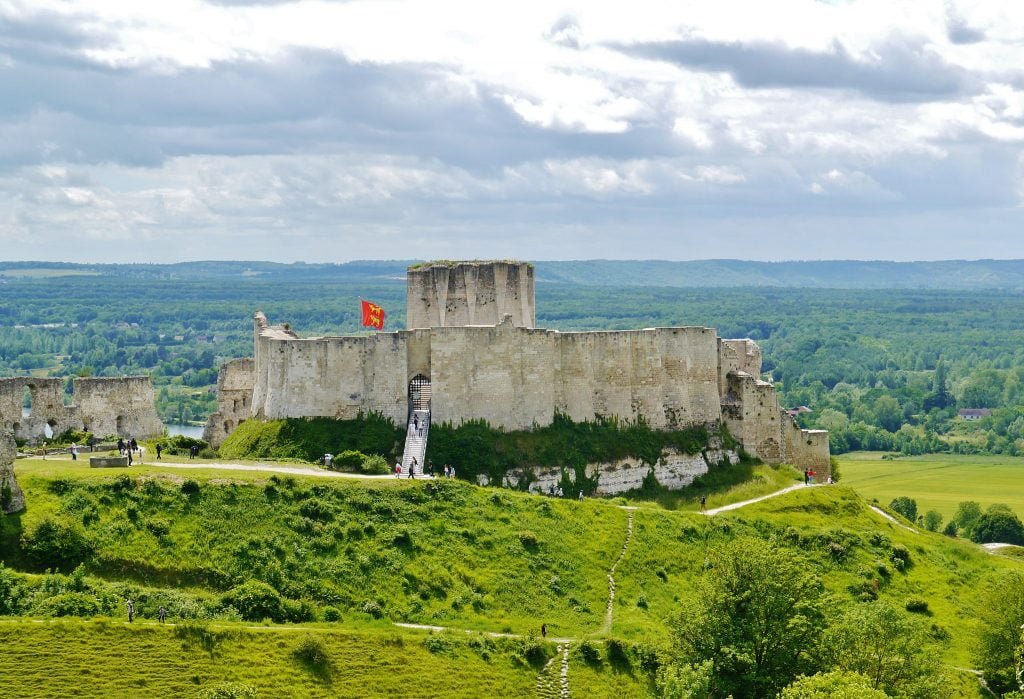
Château Gaillard is a ruined medieval fortress built for Richard the Lionheart, King of England and Duke of Normandy, between 1196 and 1198. Its layered enclosures and innovative defensive features guarded a commanding chalk cliff above a bend in the River Seine.
Philip II of France captured the fortress in 1204 after a long siege, a decisive step in the loss of Normandy by King John. The ruins remain a striking viewpoint above Les Andelys; opening arrangements for the inner bailey can be seasonal, so check locally before visiting.
- Location: Les Andelys, Normandy
- Time built: 1196–1198
- Architectural style: Medieval military architecture
- Touring: Seasonal access applies. Check current visitor information.
7. Rocamadour
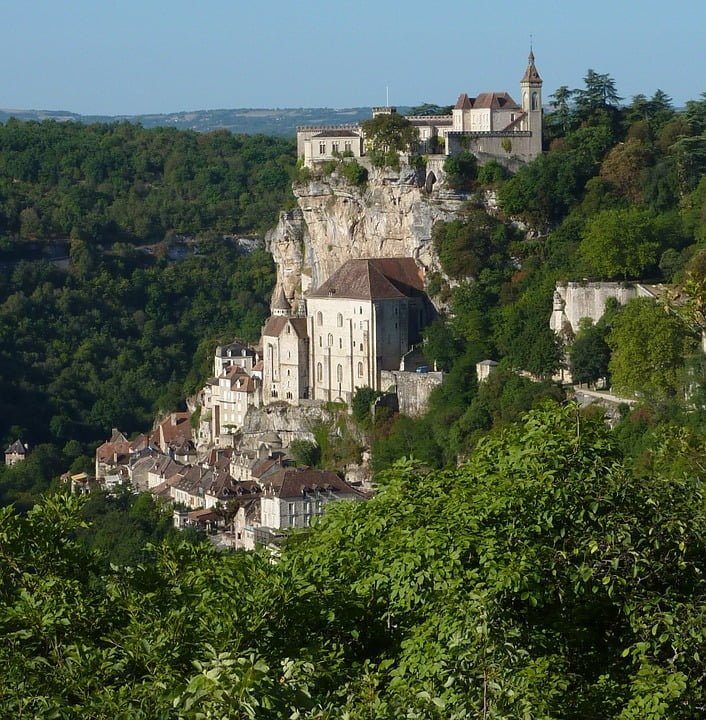
Rocamadour is a cliffside pilgrimage town rather than a single castle. Its medieval sanctuary complex, including the Basilica of Saint-Sauveur and the Crypt of Saint-Amadour, rises above the Alzou canyon, while defensive walls and the château occupy the upper level.
The sanctuary became an important Marian pilgrimage destination in the Middle Ages. Saint-Sauveur and the crypt are included in UNESCO’s Routes of Santiago de Compostela in France, while the town’s gates, steep lanes and viewpoints make the wider site worth exploring.
- Location: Lot, Occitanie
- Time built: Mainly medieval, with major 12th-century religious buildings
- Architectural style: Romanesque and Gothic
- Touring: Allowed. Check current visitor information.
8. Château de Pierrefonds
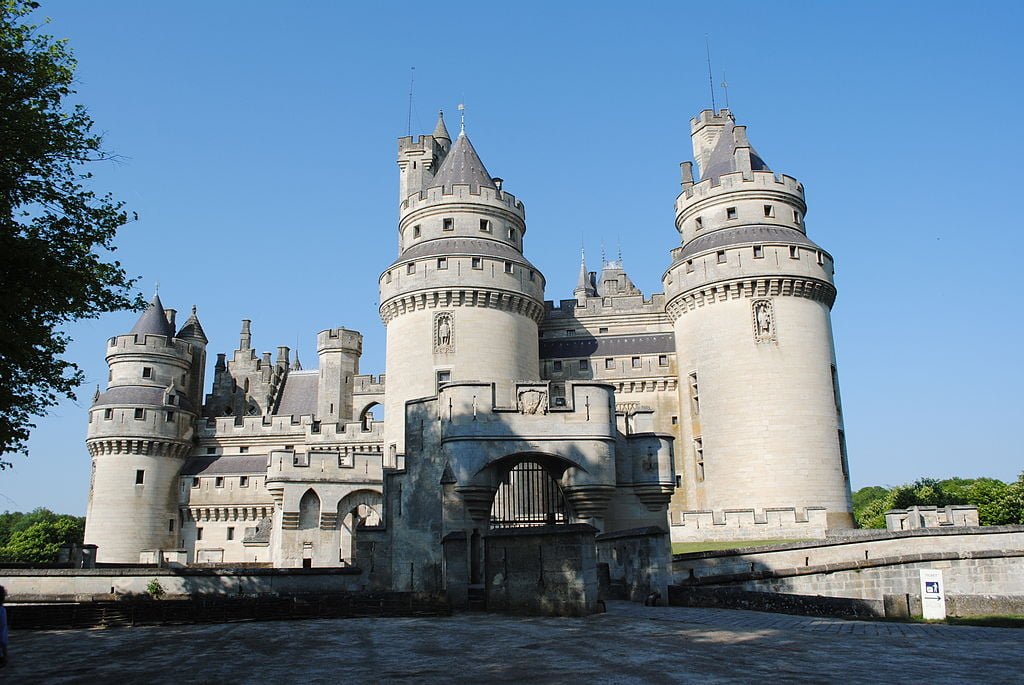
A fortress existed at Pierrefonds by the 12th century, but Louis of Orléans built the great castle seen here at the end of the 14th century. Royal forces dismantled much of it in the 17th century, leaving a dramatic ruin.
Napoleon III commissioned Eugène Viollet-le-Duc to restore the site in 1857. The architect preserved the medieval concept while freely reimagining interiors and decorative details, creating the striking mixture of medieval fortress and 19th-century Gothic Revival design visitors see today.
- Location: Picardy
- Time built: 14th Century
- Architectural style: Medieval/Neo-Gothic
- Touring: Allowed. Visit the official website for more information.
9. Château de Vaux-le-Vicomte
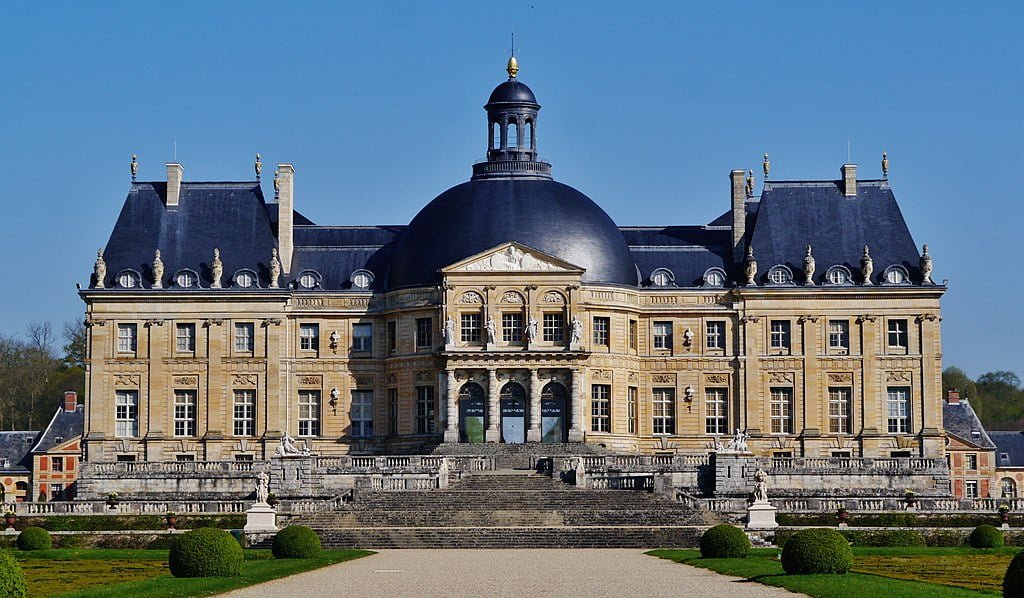
Built for Nicolas Fouquet in the 17th century, Château de Vaux-le-Vicomte brought together architect Louis Le Vau, painter-decorator Charles Le Brun and landscape designer André Le Nôtre. Their unified design strongly influenced the later development of Versailles. Visitors can explore the furnished interiors, formal French garden, dome and carriage museum.
- Location: Maincy
- Time built: 17th Century
- Architectural style: French Baroque
- Touring: Allowed. Visit the official website for more information.
10. Château de Vincennes
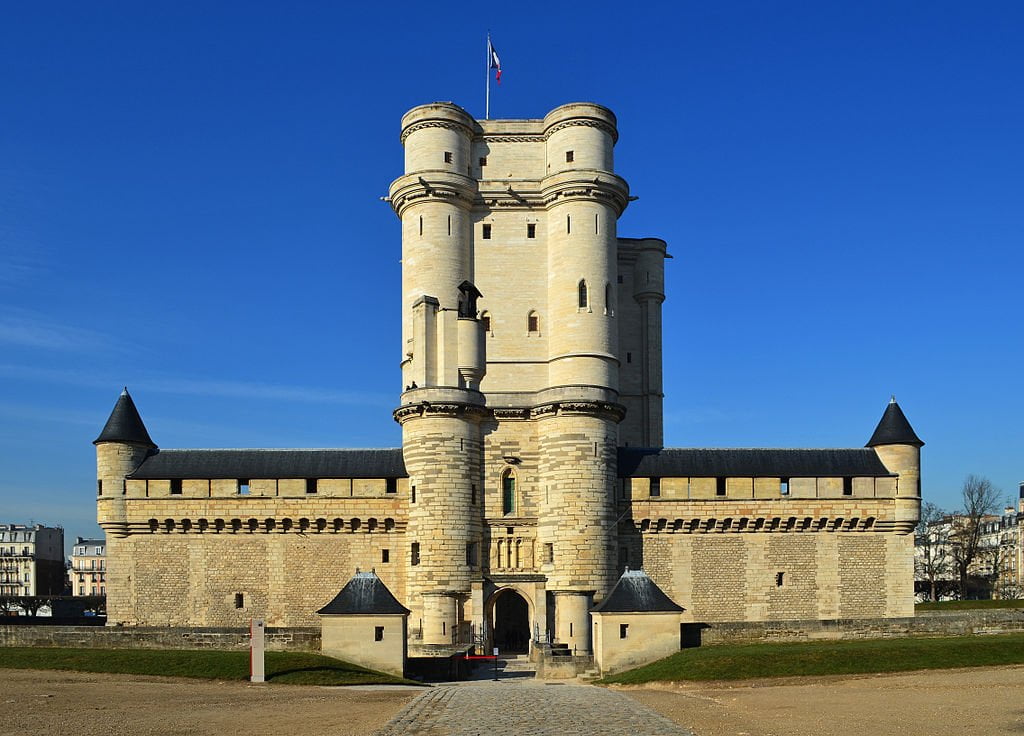
Château de Vincennes developed from a royal manor into a major fortified residence on the edge of Paris. Its defining medieval works date from the 14th century, when John II and Charles V created the vast enclosure and the exceptionally tall keep.
Charles V also founded the Gothic Sainte-Chapelle, begun in 1379 and completed in the 16th century. Later classical pavilions added another layer to the complex, but the medieval keep, walls and chapel remain its most distinctive features.
- Location: Vincennes, beside Paris
- Time built: Major surviving works from the 14th century
- Architectural style: Medieval Gothic, with later classical additions
- Touring: Allowed. Visit the official website for current information.
Planning to Visit Nearby Countries? Check Out These Best Castles Lists:
10 More Castles Worth Visiting in France
If you are a castle enthusiast, you must take out the time to visit these equally spectacular castles in France as well:
11. Château d’Angers
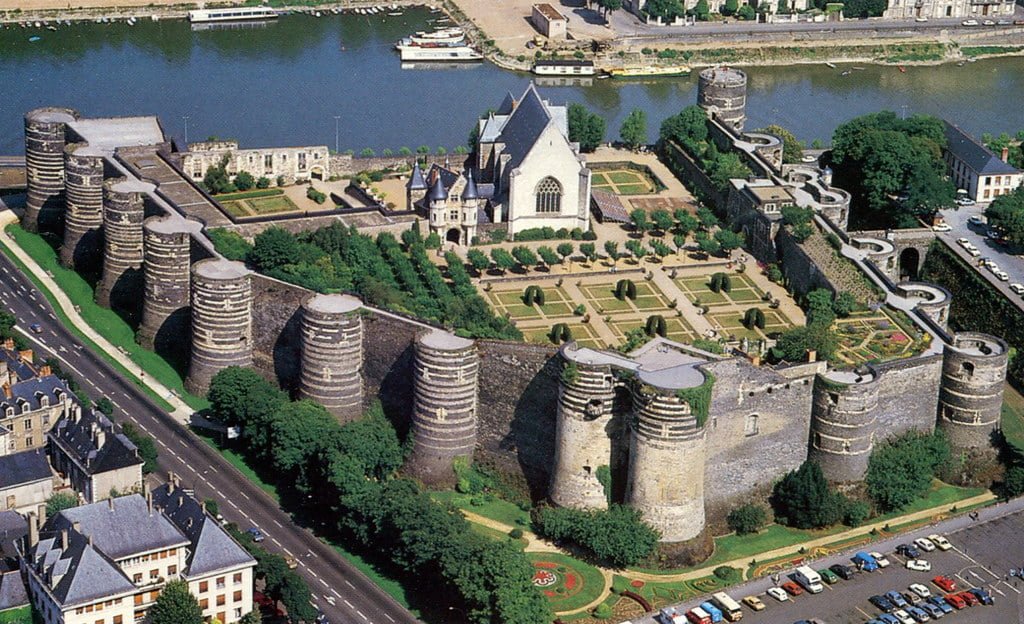
The present fortress at Angers was begun in the 1230s for Blanche of Castile and her son, King Louis IX, around an older comital residence. Its massive walls and 17 towers dominate the city, while the interior houses the extraordinary 14th-century Apocalypse Tapestry. The château later served military purposes before opening as a historic monument.
- Location: Angers
- Time built: Mainly 13th century
- Architectural style: Medieval military architecture
- Touring: Allowed. Visit the official website for current information.
12. Château de Fontainebleau
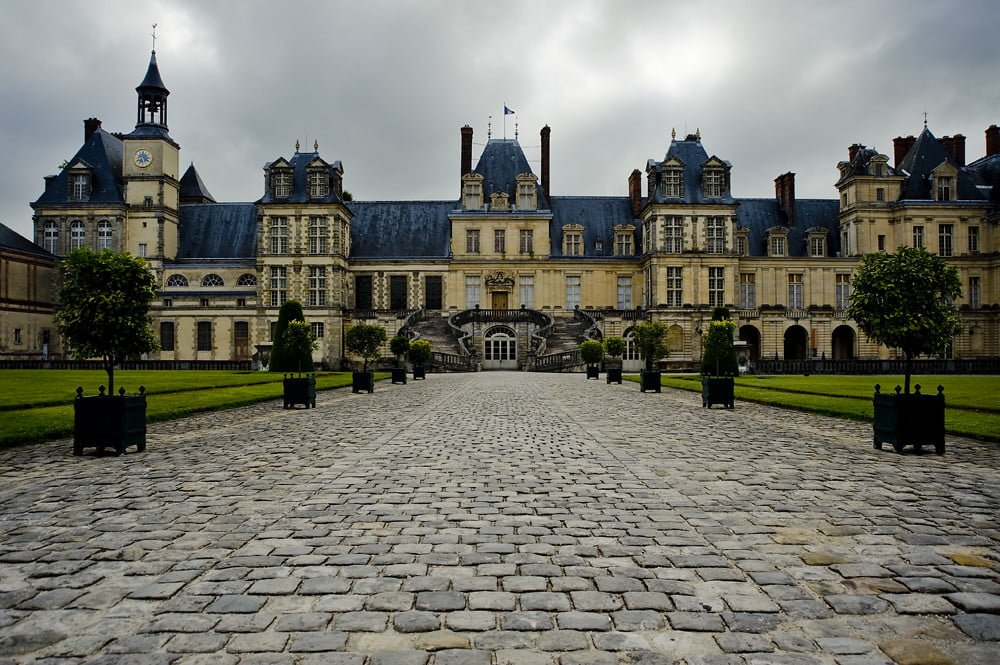
Fontainebleau grew from a medieval hunting residence into one of France’s great royal palaces. Francis I transformed it in the 16th century, and successive monarchs continued to enlarge and redecorate the complex. Today, its richly furnished apartments, courtyards and gardens illustrate centuries of French court life and form part of a UNESCO World Heritage site.
- Location: Fontainebleau
- Time built: Medieval origins; substantially rebuilt from the 16th century onward
- Architectural style: French Renaissance and Classical
- Touring: Allowed. Visit the official website for current information.
13. Château d’Amboise
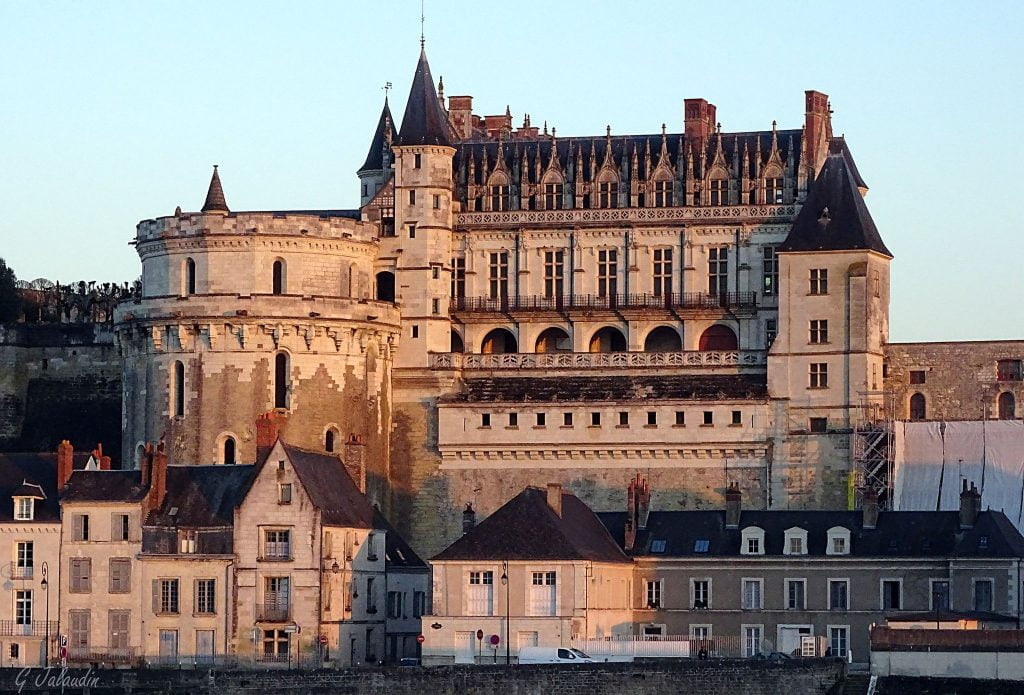
Château d’Amboise occupies a commanding cliffside above the Loire. Charles VIII and later French monarchs transformed the medieval fortress into a royal residence during the late 15th and early 16th centuries. Much of the complex was demolished after the French Revolution, but the surviving royal apartments, towers, chapel and gardens remain open to visitors.
- Location: Amboise
- Time built: Medieval origins; major royal rebuilding in the 15th and 16th centuries
- Architectural style: Gothic and French Renaissance
- Touring: Allowed. Visit the official website for current information.
14. Château de Cheverny
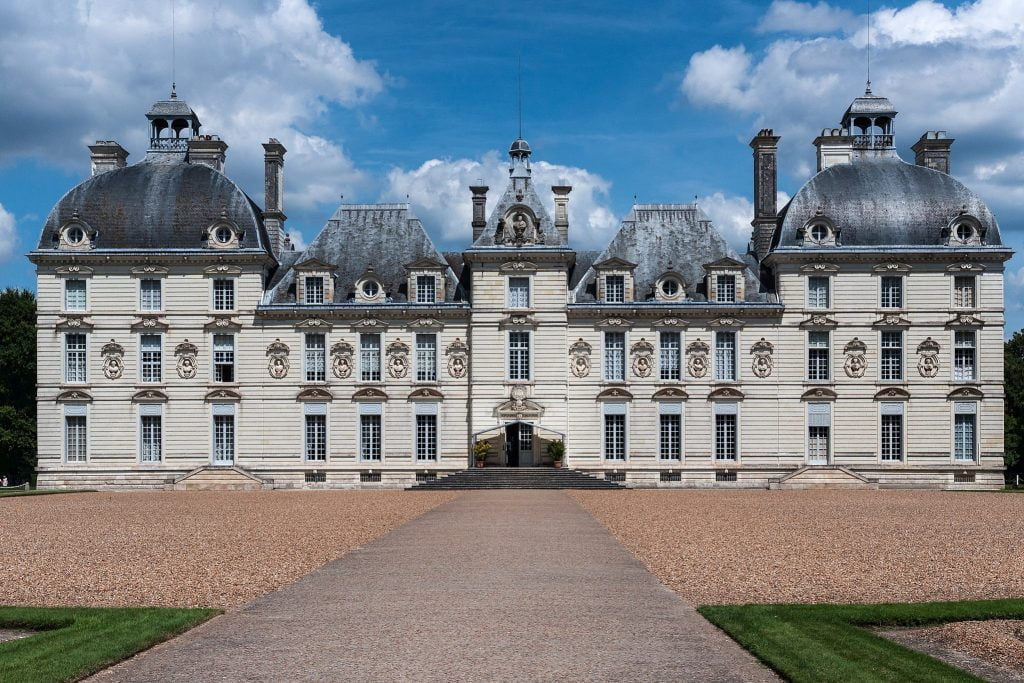
Château de Cheverny was built in the 17th century for the Hurault family, whose descendants still own the estate. Diane de Poitiers briefly held an earlier property on the site before it returned to the Hurault family.
Cheverny is especially noted for its well-preserved furnished interiors, including the King’s Chamber and dining room, as well as its gardens and park.
- Location: Loire Valley
- Time built: 17th Century
- Architectural style: French Classical
- Touring: Allowed. Visit the official website for more information.
15. Château de Villandry
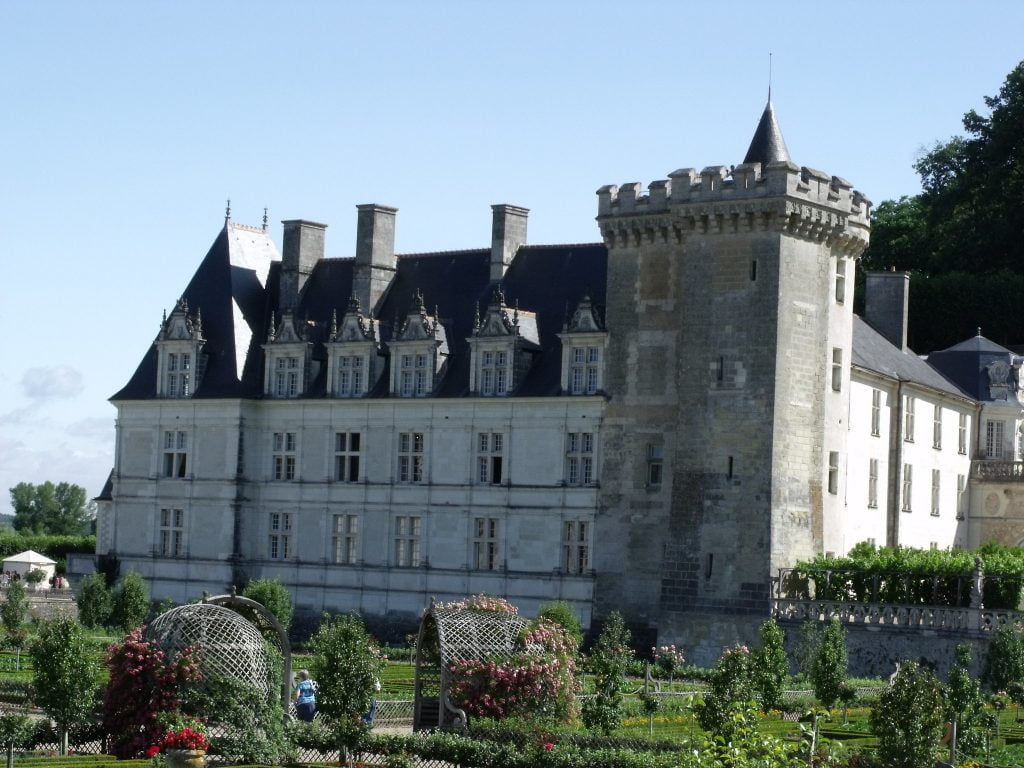
Château de Villandry is best known for its formal gardens, which combine ornamental flower beds, water features and a celebrated decorative kitchen garden.
Jean Le Breton built the Renaissance château in the 16th century around a surviving medieval keep. The gardens seen today are largely the result of Joachim Carvallo’s ambitious early 20th-century restoration, inspired by Renaissance models.
- Location: Loire Valley
- Time built: 16th Century
- Architectural style: Renaissance
- Touring:Allowed. Visit the official website for more information.
Revisit More Historic Places Below or Read Further
16. Château de Beynac
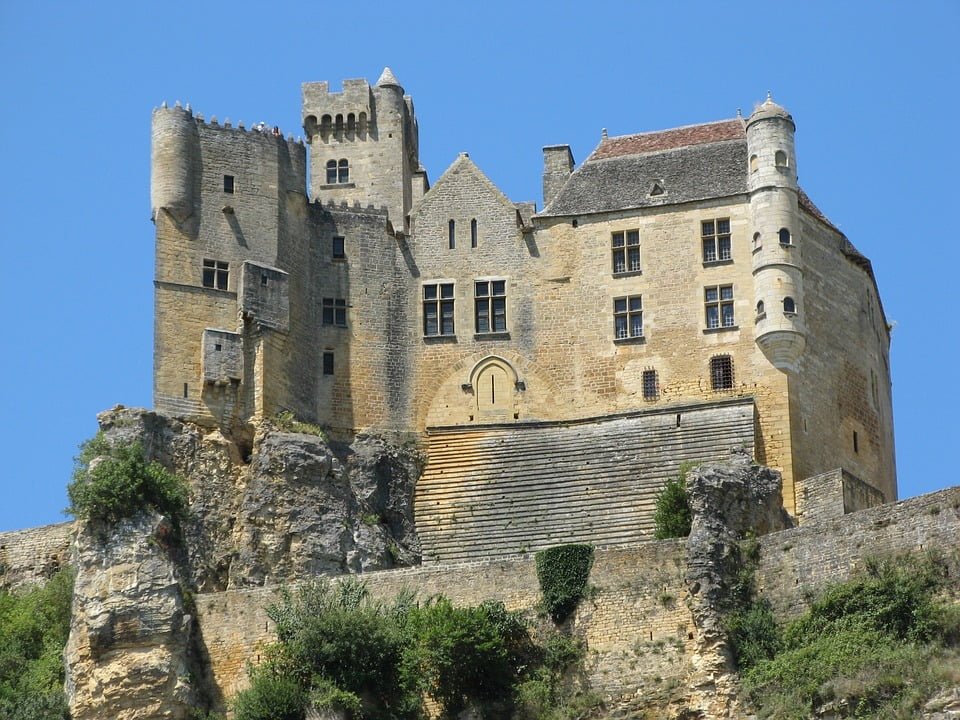
Château de Beynac is a medieval fortress perched high above the Dordogne River. Its position controlled an important route through the valley, and the stronghold changed hands during conflicts between French and English rulers; Richard the Lionheart held it as Duke of Aquitaine in the late 12th century.
Visitors can explore the keep, defensive works, furnished rooms and terraces, with broad views across the Dordogne valley.
- Location: Beynac-et-Cazenac, Dordogne
- Time built: 12th century
- Architectural style: Romanesque
- Touring: Allowed. Visit the official website for more information.
17. Papal Palace
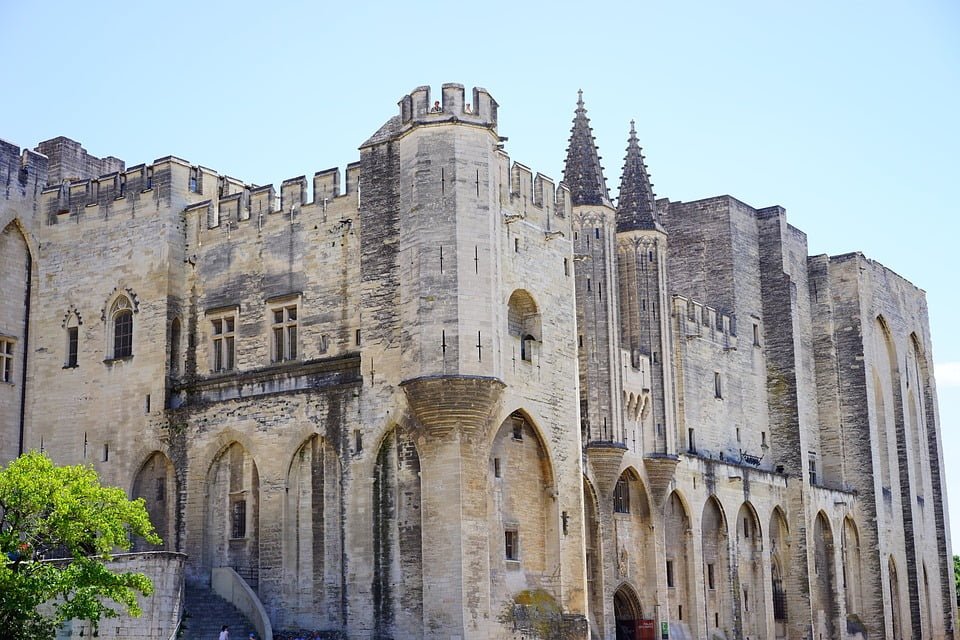
The Palais des Papes was built principally between 1335 and 1352 for Popes Benedict XII and Clement VI, when Avignon was the seat of the papacy. The immense 14th-century complex combines a fortress-like exterior with ceremonial halls, chapels and important frescoes by Matteo Giovannetti and other artists.
- Location: Avignon
- Time built: Mainly 1335–1352
- Architectural style: Medieval Gothic
- Touring: Allowed. Visit the official website for current information.
18. Château des Ducs de Bretagne
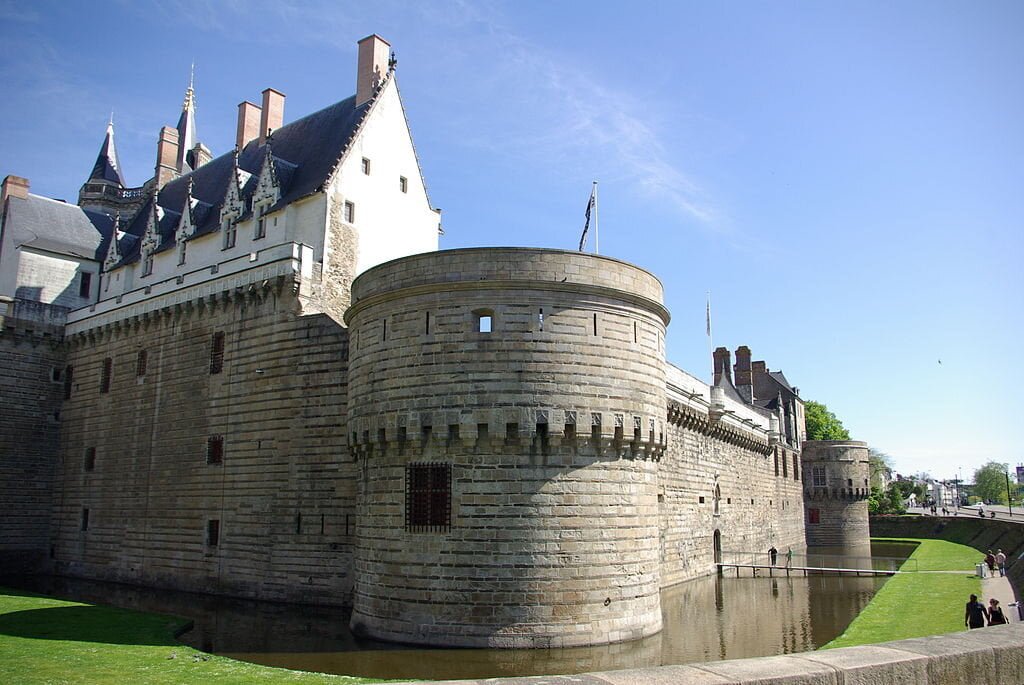
Perched on the right bank of the River Loire, Château des Ducs de Bretagne was the seat of power of the Dukes of Brittany. After the 16th century, it became the Brittany residence of the French Monarchy. It is a National Monument and houses the Nantes History Museum.
Tourists visit every day to revel in the serene ambiance. Many like to take strolls across the ramparts, while others enjoy meandering through the gardens while enjoying the magnificence of the building’s architecture.
- Location: Nantes
- Time built: 15th century
- Architectural Style: Flamboyant Gothic
- Touring: Allowed. Visit the official website for more information.
19. Château de Montrésor
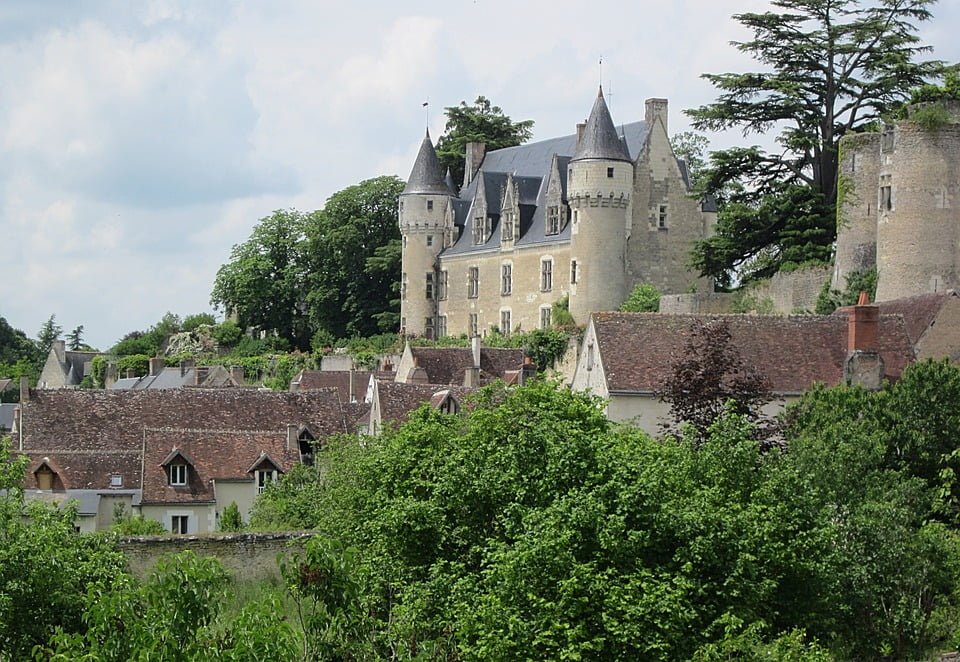
The original castle dated to the 11th century, built by a Count of Anjou. It was destroyed in the 13th century, and a Renaissance castle was erected in the 15th century. After a post-Revolution decline, the castle was restored in the latter half of the 19th century.
The estate was restored in the 19th century by the Polish-born Count Xavier Branicki and remains associated with his descendants. Its furnished rooms contain paintings, sculptures and objects connected with Polish history, while the landscaped park reflects the château’s Romantic-era revival.
- Location: Montrésor
- Time built: 11th century
- Architectural Style: Medieval/Renaissance
- Touring: Allowed. Visit the official website for more information.
20. Château de Verteuil
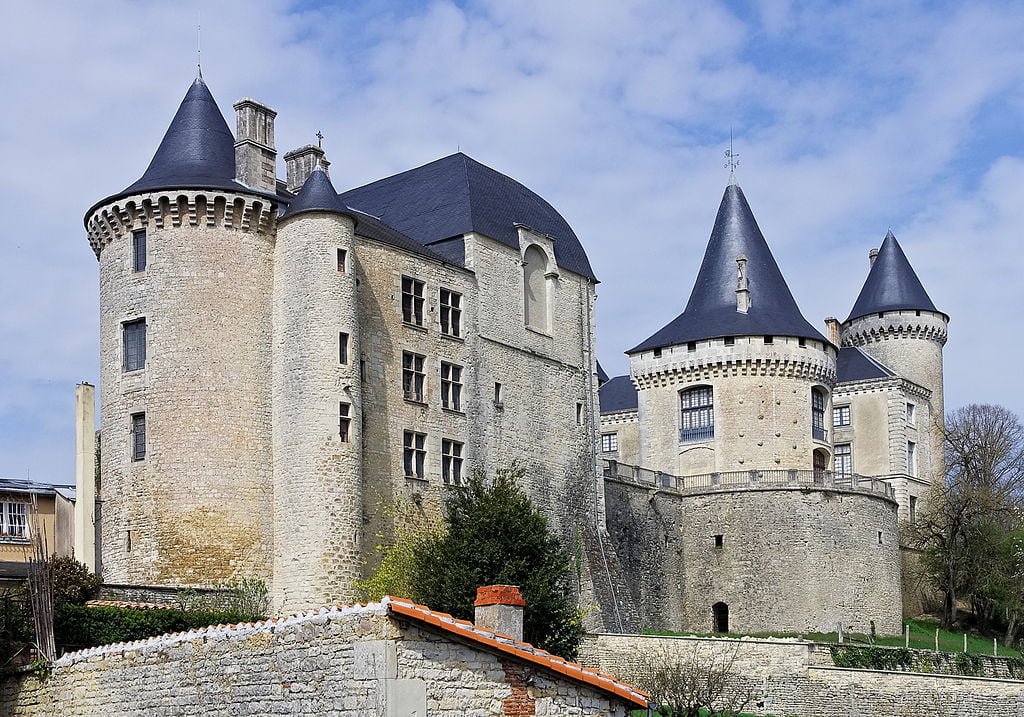
The site has 11th-century origins and was extensively rebuilt over time; sections of 12th-century wall survive within the later château.
English forces captured the castle during the Hundred Years’ War, and a major fire in 1793 led to further rebuilding. Its triangular plan, conical towers and position above the Charente remain striking, but it is privately owned and public access can change.
- Location: Charente
- Time built: 11th century
- Architectural Style: Romantic
- Touring: Limited or special-event access; verify locally before travelling.
Planning to Explore Europe? Check Out These Best Castles Lists:
Conclusion
The castles in France are frequently ranked among the best in the world. They range from steep hilltop castles to rambling walled fortresses, each with a story to tell, be it conflict and bloodshed or court life.
From royal residences to ruined fortresses and fortified abbeys, these sites reveal very different sides of French history. Check each official website before travelling, as opening days, access arrangements and restoration closures can change.