9 Most Impressive Castles Built on a Cliff | Travel Tips Included!
Cliffs are among one the most majestic creations of nature. Because of their scenic beauty and defensive benefits, numerous castles are perched on these towering rocks. Visiting castles on cliffs, you can also enjoy the hues of poetic sunsets as you explore these historical marvels.
Castles on a cliff offer a unique opportunity to enjoy the blend of manmade structures and nature’s magnificence. You might find castles on the cliffs a little difficult to approach, but once you reach your destination, all the hassle of getting to the castle will likely seem worth the trouble.
Continue reading if you are interested in knowing more about castles located on cliffs and why some of these castles are bustling tourist spots.
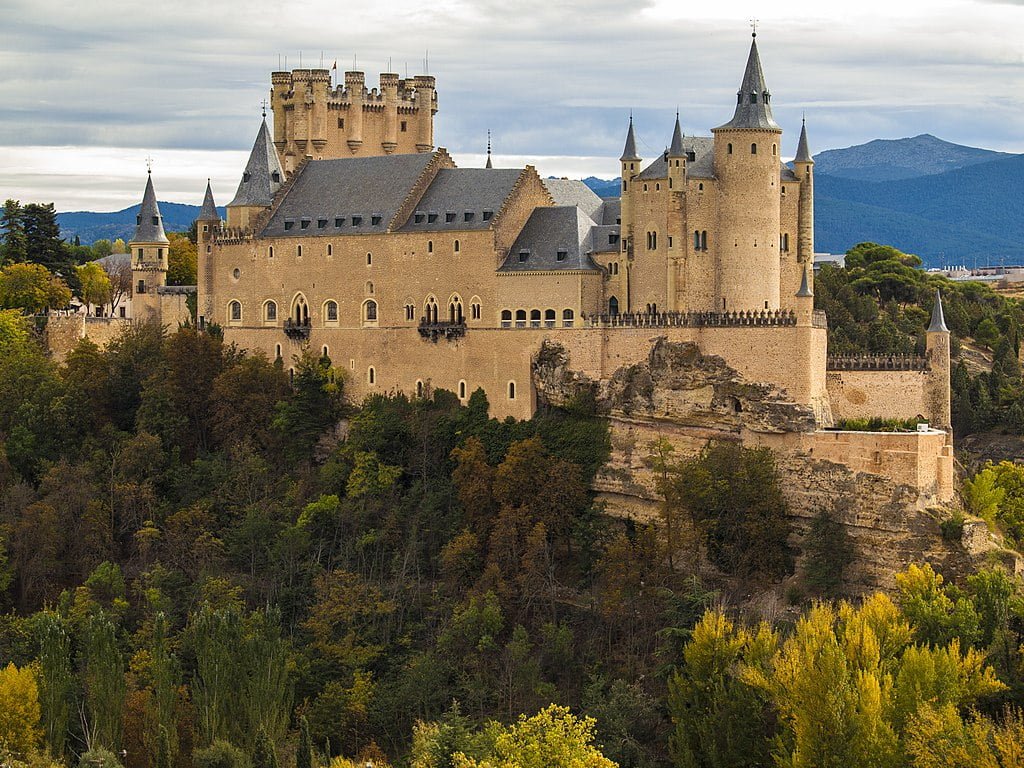
Alcazar of Segovia
The Alcázar of Segovia rises on a rocky promontory above the Eresma and Clamores valleys in Segovia, Spain. It developed over centuries as a royal fortress and residence, with major medieval rebuilding under the Castilian monarchy. Its dramatic position, fortified towers, courtyards and richly decorated interiors make it a strong example of how castle design could combine defence, residence and royal display.
Explore the interesting interior sections, including a chapel and several aristocratic rooms, that can be seen today. The castle is set on the cliffside overlooking the city, with four turrets and many hallways displaying barrel vaults and double windows. Mudéjar painters and artisans adorned the inner hallways and rooms with elegant charm and beauty. It is home to the Armory Museum and the General Military Archives of Segovia, the oldest historical archive of the Spanish Armed Forces.
Segovia is roughly 90 kilometers (56 miles) northwest of Madrid. Admission options and opening times can change, so check the Alcázar’s official visitor information before travelling rather than relying on older fixed prices.
Up to Date Information:
Visit the official website for the most recent information on ticket costs and opening hours: https://www.spain.info/en/places-of-interest/alcazar-segovia/
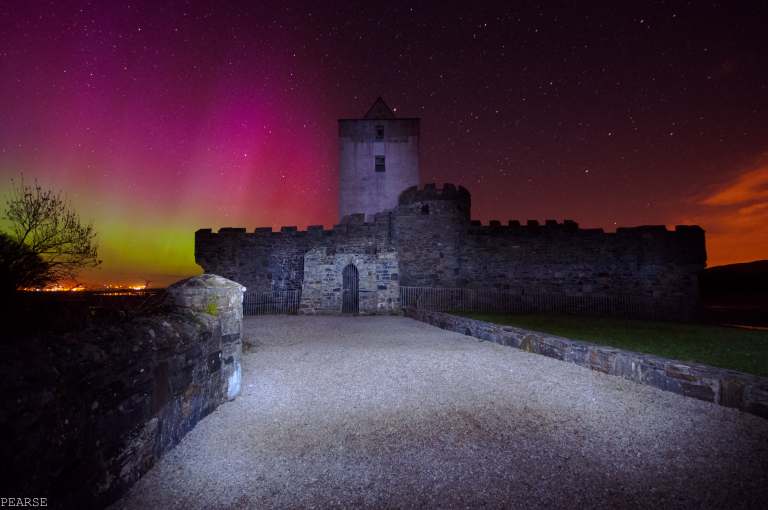
Dunluce Castle
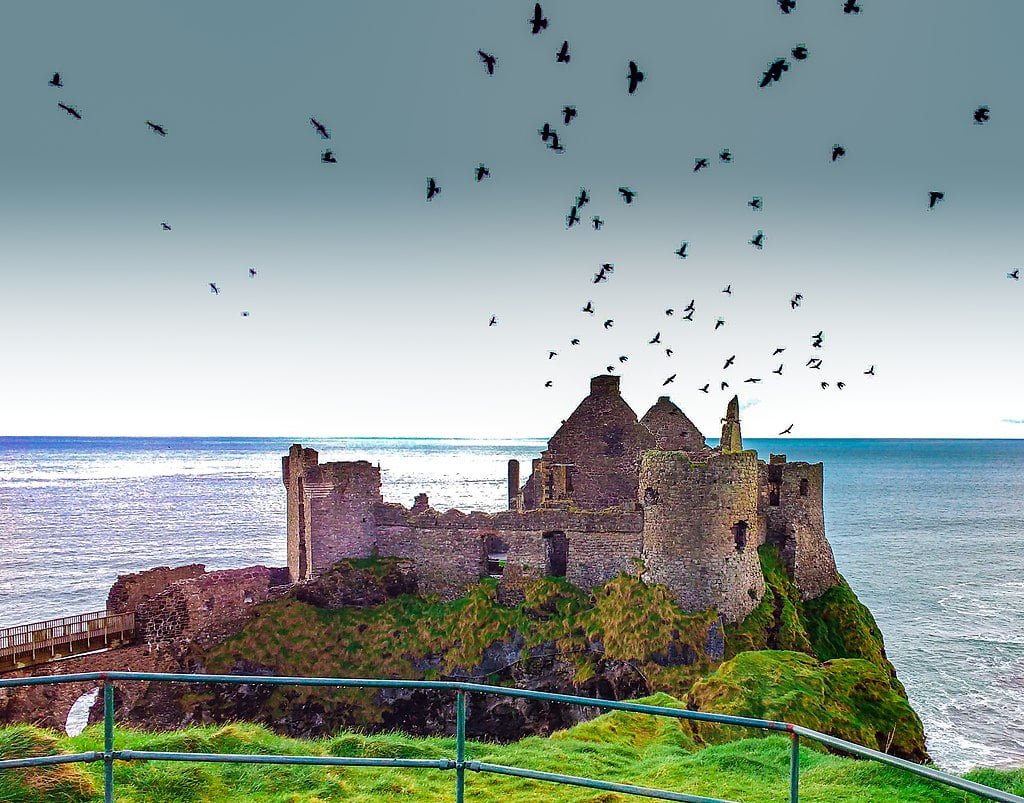
Dunluce Castle stands on dramatic coastal cliffs in County Antrim, Northern Ireland. The Department for Communities dates the first castle here to around 1500, when it was built by the MacQuillan family; the MacDonnells seized it in the 1550s and substantially developed the site during the following century. Its exposed promontory and narrow landward approach gave it both formidable natural defences and the spectacular setting visitors see today.
You will be delighted to know about the exhibits of history and archaeology that are on display for visitors. It is remarkable to consider how resilient Dunluce is, perched on a cliff in such a vulnerable position. The fact that the castle is separated from the rest of the landmass and linked by a bridge makes it even more impressive.
Dunluce Castle offers a stunning view of the brilliant blue water from the peak of some of the country’s most dramatic cliffs. The castle has become a popular tourist site due to its use in the iconic Game of Thrones series.
One of Dunluce’s best-known stories says that part of the kitchen fell into the sea during a storm in 1639. The Department for Communities still presents this as part of the castle’s traditional lore, so it is best treated as a legend rather than a firmly established event.
Opening hours vary through the year. Check the current official listing before visiting rather than relying on fixed seasonal times.
Up to Date Information:
Visit the official website for the most recent information on ticket costs and opening hours: https://discovernorthernireland.com/things-to-do/dunluce-castle-p675011
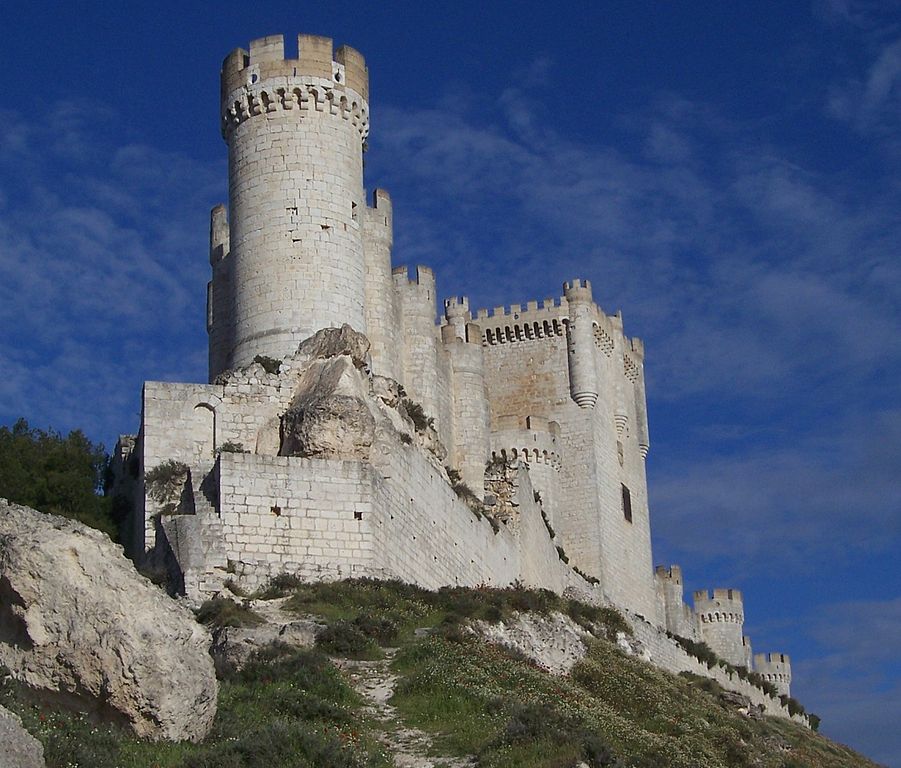
Castle of Peñafiel
Peñafiel Castle stands on a long, narrow hill above Peñafiel in Valladolid province, Spain. The site formed part of the contested Duero frontier in the early Middle Ages, but the imposing stone castle seen today largely dates from the 15th century, when Pedro Girón, master of the Order of Calatrava, rebuilt it. Its ship-like plan follows the shape of the ridge rather than representing a German Gothic design.
The ridge gives broad views over the surrounding valleys and explains the castle’s unusually elongated plan. The fortress was declared a National Monument in 1917 and today houses the Provincial Wine Museum, whose exhibitions cover viticulture, winemaking and the history of wine in the region.
Up to Date Information:
Visit the official website for the most recent information on ticket costs and opening hours: https://www.spain.info/en/places-of-interest/penafiel-castle/
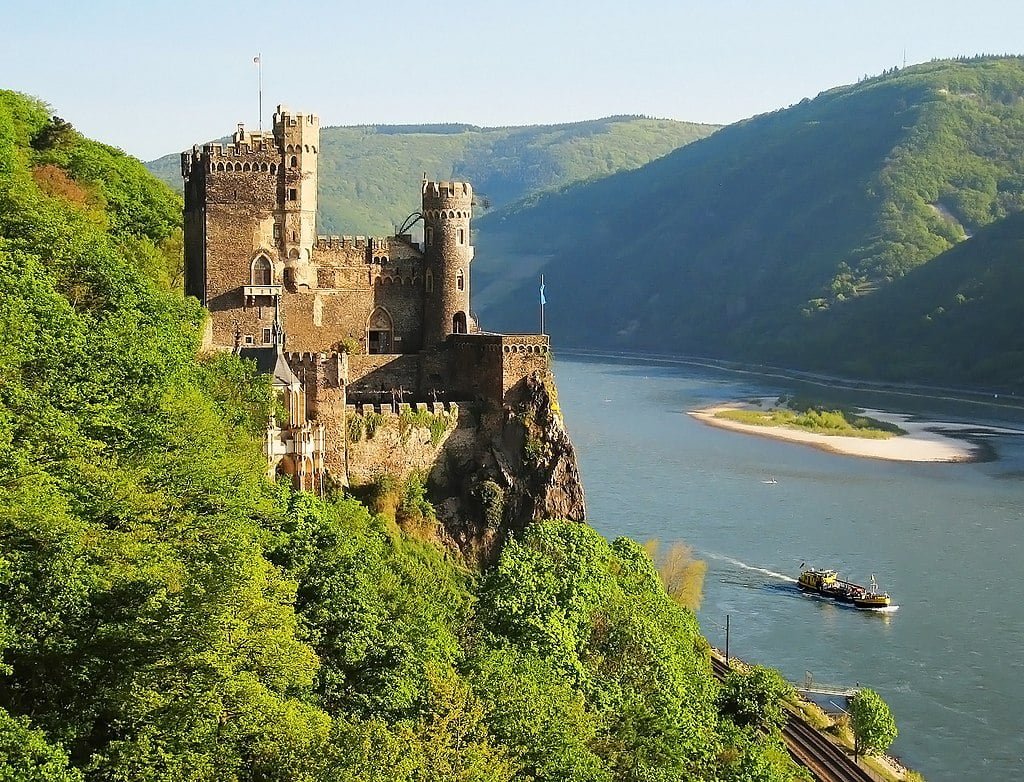
Rheinstein Castle
Rheinstein Castle stands high above the Rhine near Trechtingshausen in Rhineland-Palatinate, Germany. Its medieval origins are genuine, but much of the picturesque appearance visitors associate with the castle today reflects its major 19th-century restoration during the Romantic movement.
Rheinstein has a drawbridge and portcullis, characteristic of medieval castle construction and defense mechanisms. The entry to the courtyard, which overlooks the Rhine, is located just beyond the souvenir shop beside the entryway. The courtyard of Rheinstein is regarded as the Burgundy Garden because of the Burgundy grape vine that grows there. This, nearly 500-year-old, vine is still producing grapes.
Enjoy a delectable meal at the “Kleiner Weinprinz” restaurant at Rheinstein Castle while taking in the stunning views the terrace provides. Experience the delicious homemade cakes, Tarte flambées from the hot stone, and a sparkling glass of wine from the valley.
Stairs go down from the garden to the castle chapel. The chapel’s Gothic altarpiece is a carving showing Jesus at the Last Supper. Further stairs go downwards between the rock and the cathedral to the princely mausoleum of Prince Frederick William Louis’s family.
Up to Date Information:
Visit the official website for the most recent information on ticket costs and opening hours: https://www.burg-rheinstein.de/en/
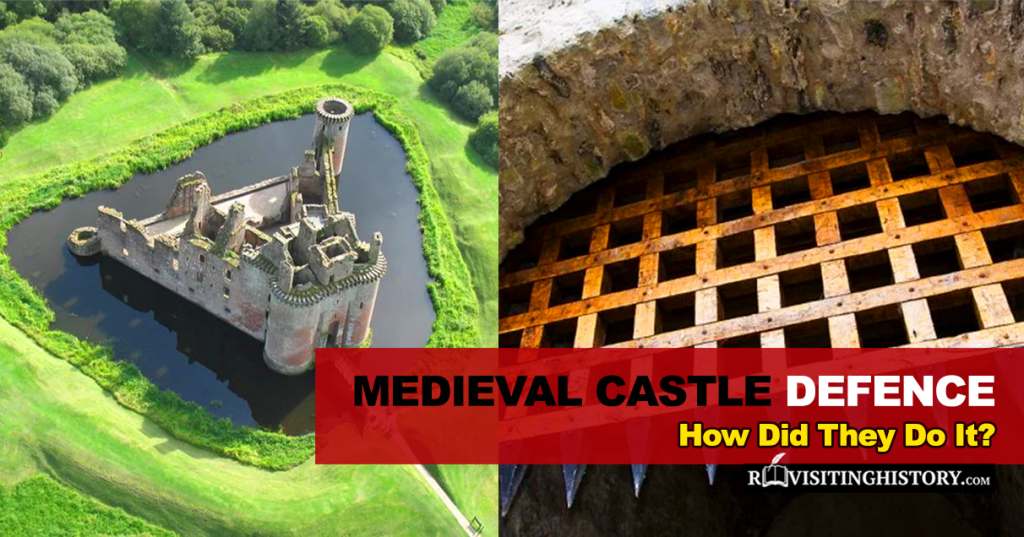
Explore Medieval Times Deeper or Continue Reading…
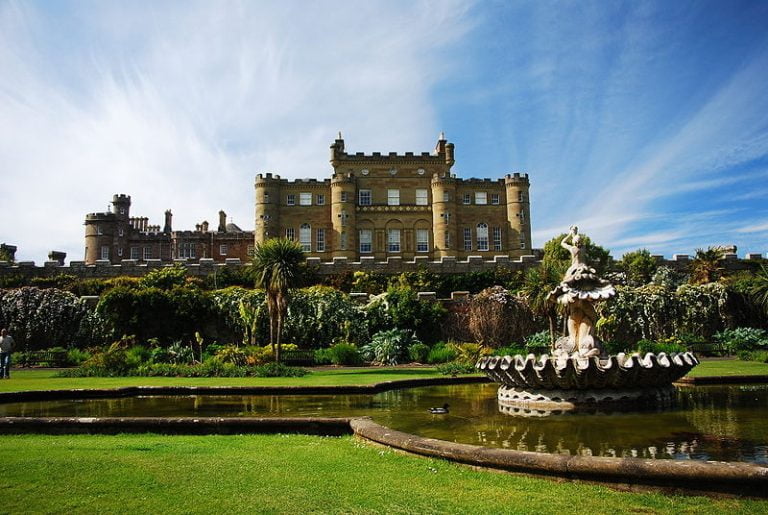
Culzean Castle
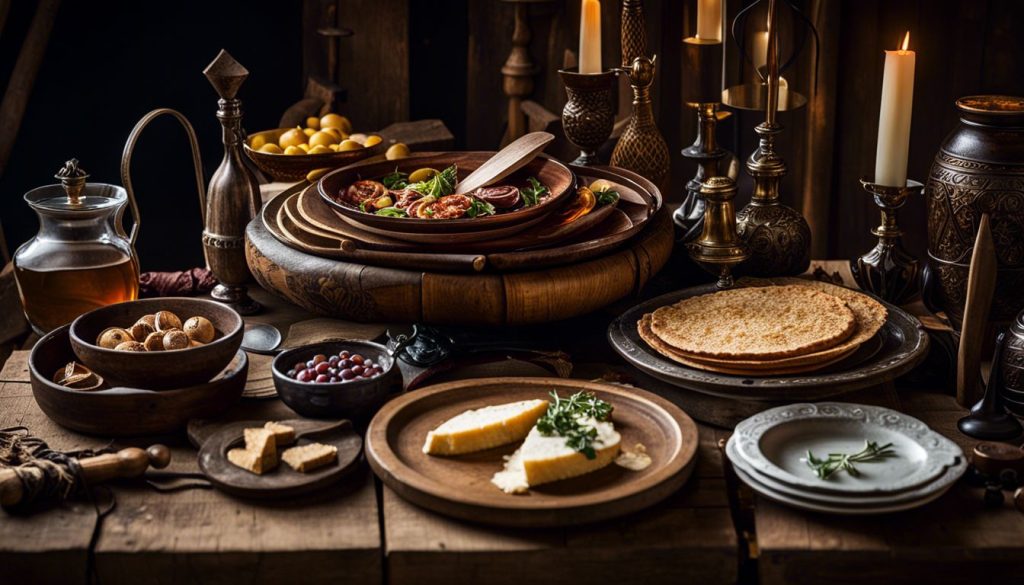
The picturesque Culzean Castle is situated near South Ayrshire on the west coast of Scotland. It overlooks the Firth of Clyde on the Ayrshire coast. Culzean Castle is a place for history buffs, hikers, walkers, landscape enthusiasts, and those interested in centuries-old buildings.
Experience the castle’s splendor and explore the majestic entry hall, which houses one of the world’s most extensive collections of British military flintlock pistols. Don’t forget to visit the historic artifact-filled spectacular chambers and innovative kitchen. Get to discover and know about the wide Oval Staircase with its towering colonnades and exquisite art pieces, the design masterwork of Robert Adam. Explore the remarkable Round Drawing Room, which provides stunning views of the Firth of Clyde.
You can wander through the gardens, locate the hidden structures, visit the deer park, have a good time in the Adventure Cove and Wild Woodland Play Parks, and purchase mementos at the on-site farm shop.
Castle and estate opening arrangements vary by season and by attraction. Check the National Trust for Scotland’s current Culzean visitor page before travelling rather than relying on older fixed times.
Up to Date Information:
Visit the official website for the most recent information on ticket costs and opening hours: https://www.nts.org.uk/visit/places/culzean
Aragonese Castle
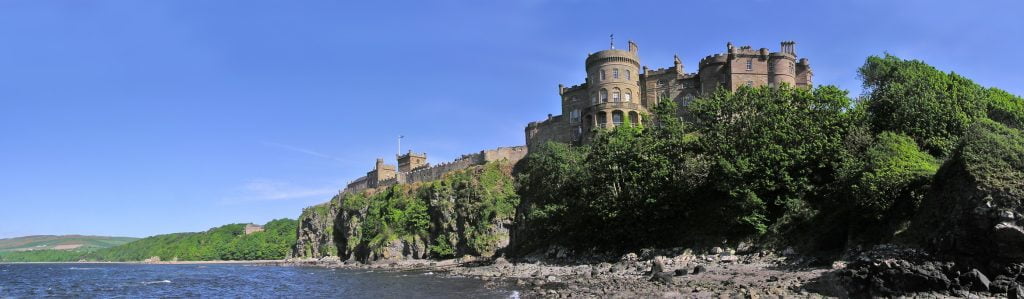
Italy’s Aragonese Castle occupies a rocky islet linked to Ischia in the Gulf of Naples. The site’s fortified history reaches back to the Greek outpost established by Hiero I of Syracuse in the 5th century BCE. Its present name reflects the major transformation under Alfonso of Aragon in the 15th century, when the defences and connection to Ischia were substantially strengthened.
The castle is accessible by a tunnel with wide gaps that allow light to pass through. Along the tunnel is a church dedicated to the area’s patron saint, John Joseph of the Cross. The castle is surrounded by unparalleled tranquility and peacefulness, inspired by historical and contemporary art displays, researched by historians and enjoyed by visitors who explore learning through them.
The castle remains privately managed and open to visitors for most of the year, with cultural events and exhibitions forming part of the site’s modern life. The official visitor page notes an annual maintenance closure from January 7 to early March, so the older claim of 365-day access was inaccurate.
Up to Date Information:
Visit the official website for the most recent information on ticket costs and opening hours: https://castelloaragoneseischia.com/
Neuschwanstein Castle
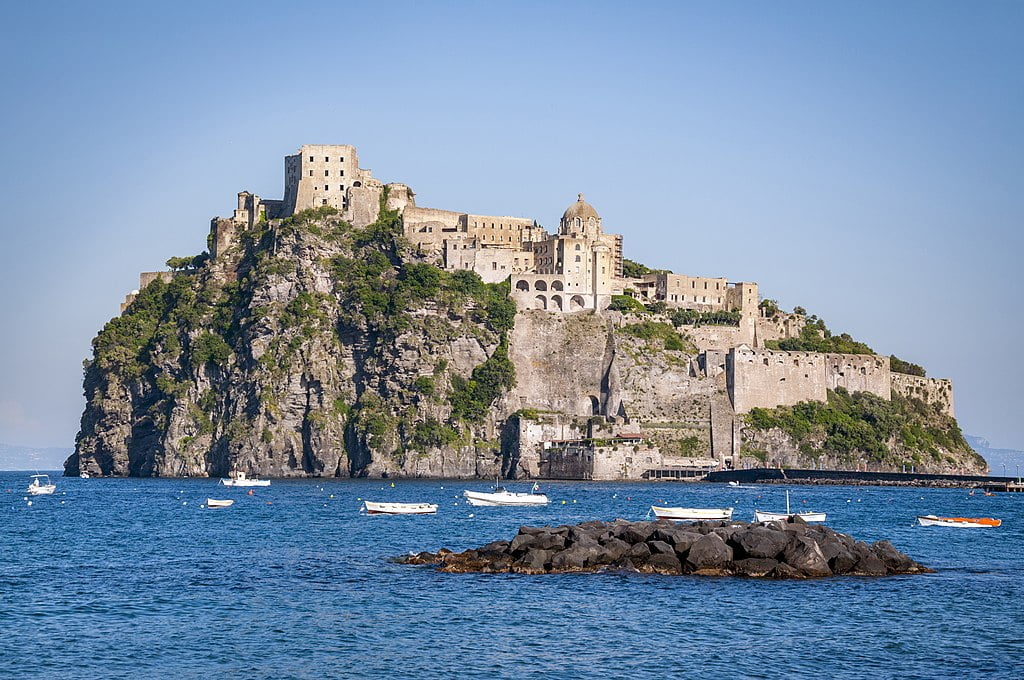
Neuschwanstein Castle is situated on a mountain cliff in the town of Hohenschwangau near Füssen in the southwestern region of Bavaria, Germany. Neuschwanstein is now one of the most visited fantasy castles in Europe. Annually, around 1,400,000 tourists visit “the castle of the fairytale king.”
King Ludwig II of Bavaria commissioned Neuschwanstein as a private retreat and an idealized vision of the medieval world, with strong artistic links to the operas of Richard Wagner. Construction began in 1869 and used modern building techniques beneath the historicizing appearance. The project was still incomplete when Ludwig died in 1886; some elements were finished afterward in simplified form.
Neuschwanstein is representative of the contemporary architectural style defined as Castle Romanticism. Neuschwanstein exemplifies Ludwig II’s goals and desires more strongly than any of his other structures. The castle was not intended for royal display but rather as a refuge. Ludwig II withdrew into the Middle Ages’ romantic realm of dreams.
Religious and political concepts were included in the design of the fortress. This is especially evident in the throne room. These paintings illustrate how Ludwig saw monarchy “by the Grace of God”: as a divine mission endowed with extraordinary abilities that the Bavarian king had never had.
Visitor access is by timed tour and opening hours vary seasonally. Check the Bavarian Palace Administration’s official visitor page for current hours, closures and ticketing before travelling.
Up to Date Information:
Visit the official website for the most recent information on ticket costs and opening hours: https://www.neuschwanstein.de/englisch/tourist/
Chepstow Castle
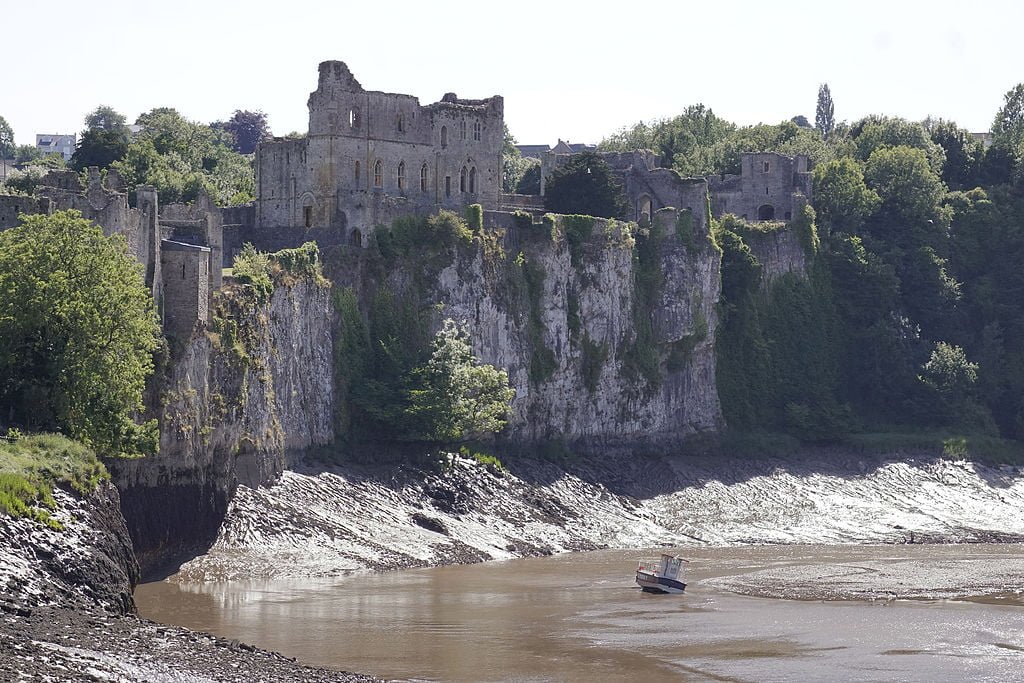
Get ready to embark on an adventure that will surely leave you in awe. In Monmouthshire, Wales, Chepstow Castle is a Norman castle built steeply over the River Wye. It is a well-preserved castle that runs along a cliff of limestone over the river. This is one of the finest locations in Britain to see how castles have adapted to more lethal armament – and their occupants’ lofty aspirations. Chepstow was the residence of some of the richest and most influential individuals of the medieval and Tudor periods for more than six centuries. Chepstow’s strategic location enabled troops to supply the castle across the river during battles and sieges while protecting it from assault.
Building began at Chepstow in 1067 under William fitz Osbern, making it one of the earliest Norman strongholds in Wales. Its Great Tower preserves exceptionally early Norman masonry, and Cadw describes Chepstow as the oldest surviving post-Roman stone fortification in Britain. The castle also preserves remarkable late-12th-century wooden doors, now displayed inside for protection.
Chepstow Castle has been open to visitors under the care of Cadw, the Welsh government agency tasked with safeguarding, maintaining, and exhibiting the architectural heritage of Wales, since 1984. In addition to the opportunity to wander around the castle walls and inside Marten’s Tower, the castle often hosts unique events. The Castle was selected to shoot sequences for the 50th-anniversary special of Doctor Who.
Opening times vary through the year. Check Cadw’s current visitor page for hours, prices, closures and booking information before travelling.
Up to Date Information:
Visit the official website for the most recent information on ticket costs and opening hours: https://cadw.gov.wales/visit/places-to-visit/chepstow-castle
Dunnottar Castle
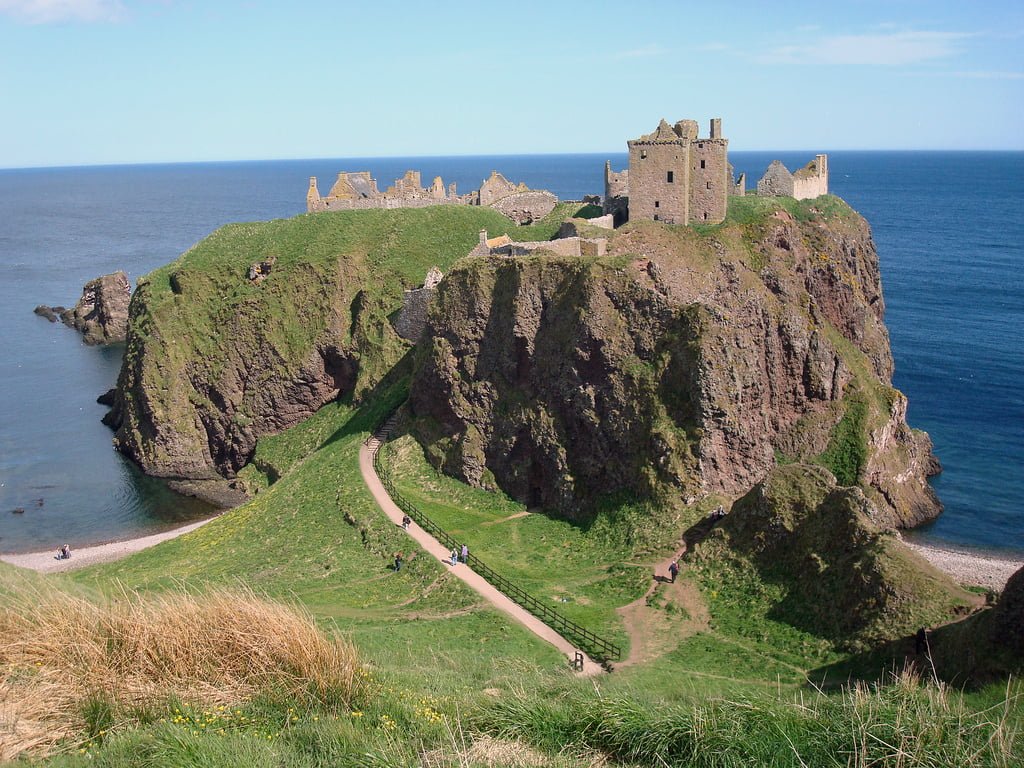
Dunnottar Castle occupies a dramatic rocky headland about two miles south of Stonehaven on Scotland’s northeast coast. The surviving ruins reflect several periods of construction and were closely associated with the powerful Earls Marischal. Steep cliffs and the sea protect the promontory on three sides, while a narrow landward approach made the site naturally formidable without making it literally impregnable.
Dunnottar played a major role in Scottish history. In 1651–52, the Honours of Scotland—the crown, sceptre and sword—were safeguarded here during the Cromwellian invasion before being smuggled out and hidden. The castle’s history also includes associations with William Wallace and Mary, Queen of Scots.
Opening hours vary seasonally and may also change with weather conditions on the exposed headland. Check Dunnottar Castle’s official website for current access information before travelling.
Up to Date Information:
Visit the official website for the most recent information on ticket costs and opening hours: https://www.dunnottarcastle.co.uk/
These cliffside castles span very different periods, from medieval strongholds such as Chepstow and Dunluce to later landmarks such as Culzean and Neuschwanstein. What links them is the way dramatic terrain shapes architecture, defence, views and the visitor experience.