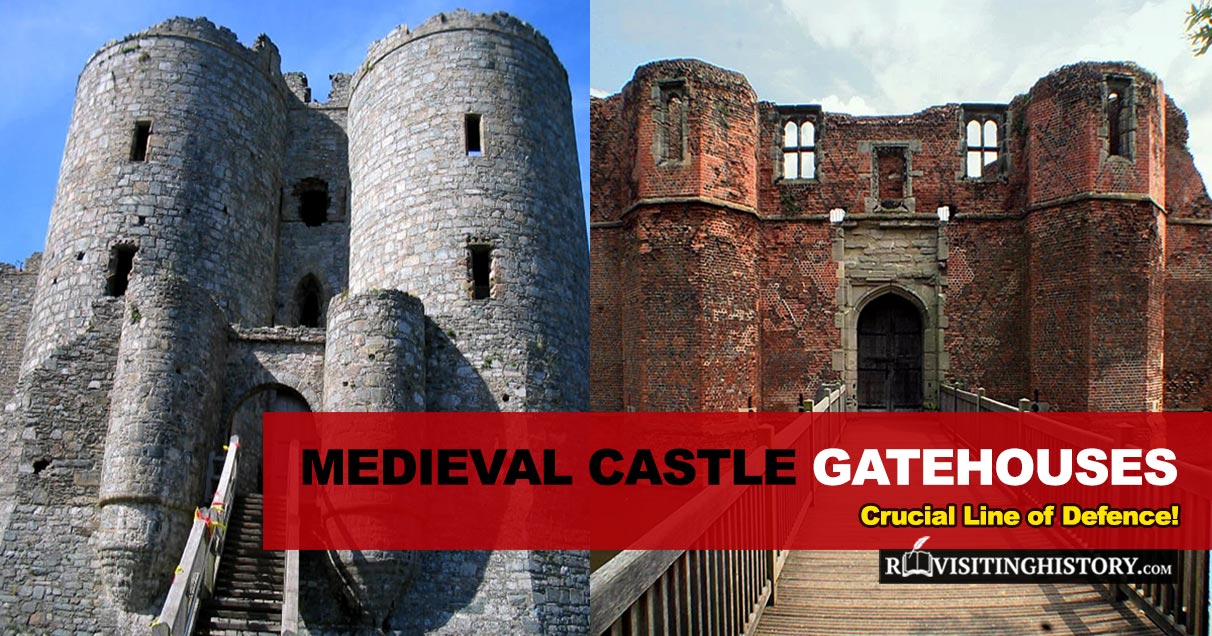
Medieval Castle Gatehouses – Crucial Line of Defence!
Castle entrances were among the most vulnerable points in a medieval fortress. A wall could be made thick and high, but people, horses and supplies still needed a way through it. The medieval gatehouse developed to solve that problem: it controlled access while concentrating several layers of defence around the gateway.
Gatehouses varied enormously by date and place. Some were relatively simple passages through a wall; later examples could become formidable multi-storey buildings with towers, portcullises, doors, arrow loops and defended chambers. In major castles they could also contain accommodation and ceremonial spaces. For the wider defensive system, see our guide to medieval castle defences.
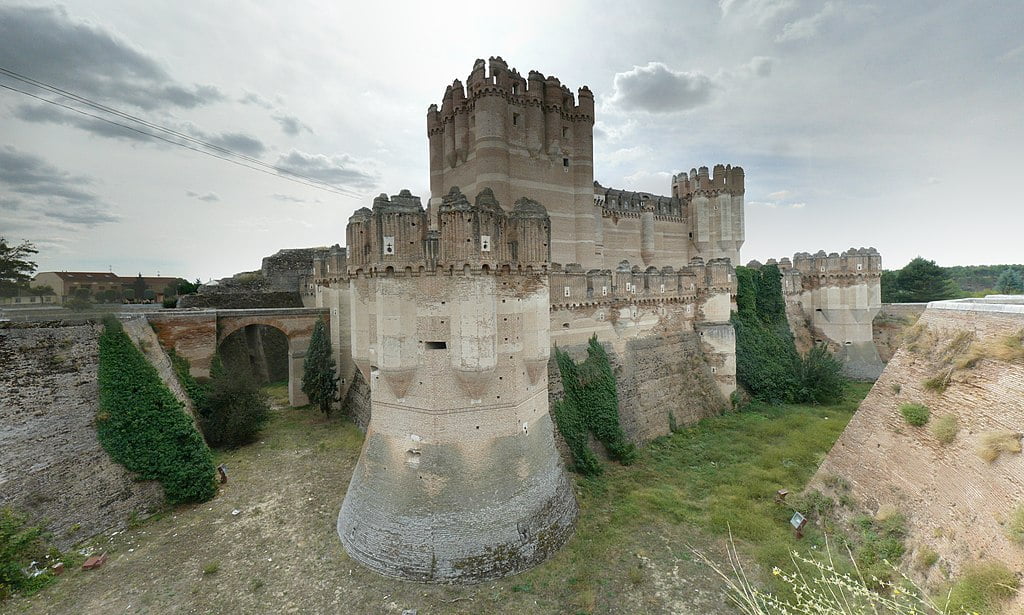
These structures were not merely practical. A powerful gatehouse was also the first major architectural statement encountered by a visitor, so defence, status and display could overlap. That combination is an important theme in medieval architecture.
Where Was a Medieval Gatehouse Located?
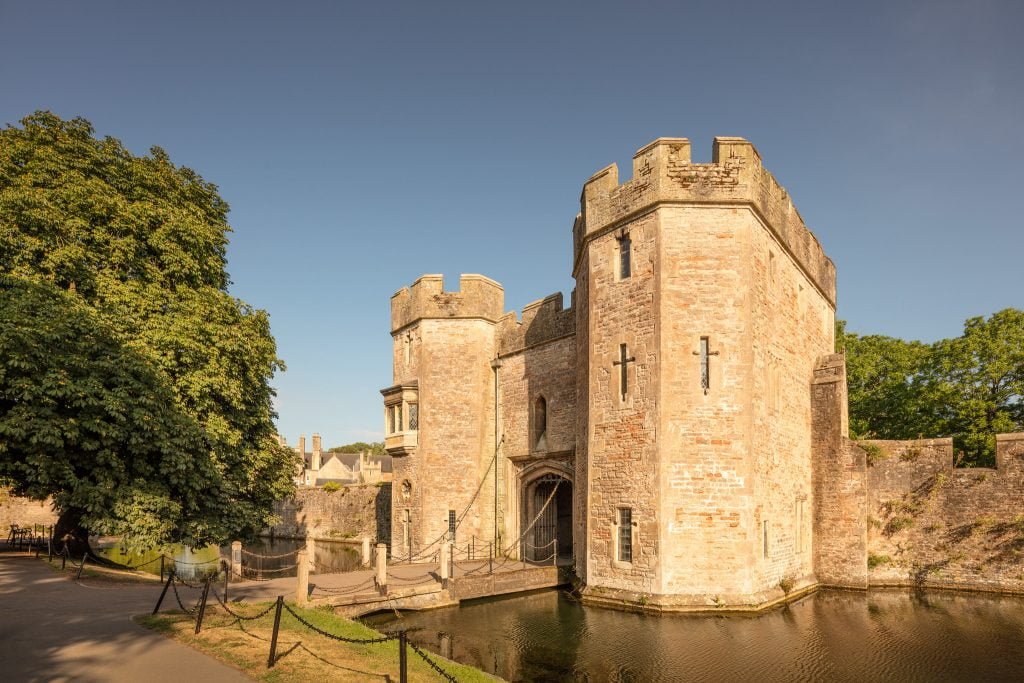
The gatehouse stood at a principal entrance through the castle’s enclosing wall or ward. Rather than being just a door, it was often a building wrapped around a passage. Towers could flank the approach, while guards controlled movement through the gateway and defenders could attack anyone trying to force entry.
The old version of this article described gatehouses as an 11th-century innovation and identified Dover as one of the first documented examples. That was too definite. Gates are far older than medieval castles, while sophisticated castle gatehouses developed over time. At Dover, the castle visible today was largely established under Henry II in 1179–1189. By the siege of 1216 its northern entrance had a twin-towered gatehouse, wooden bridge and barbican. After attackers badly damaged that entrance, it was blocked and new gateways were constructed. English Heritage’s history of Dover Castle documents this evolution.
Common Parts of a Medieval Gatehouse
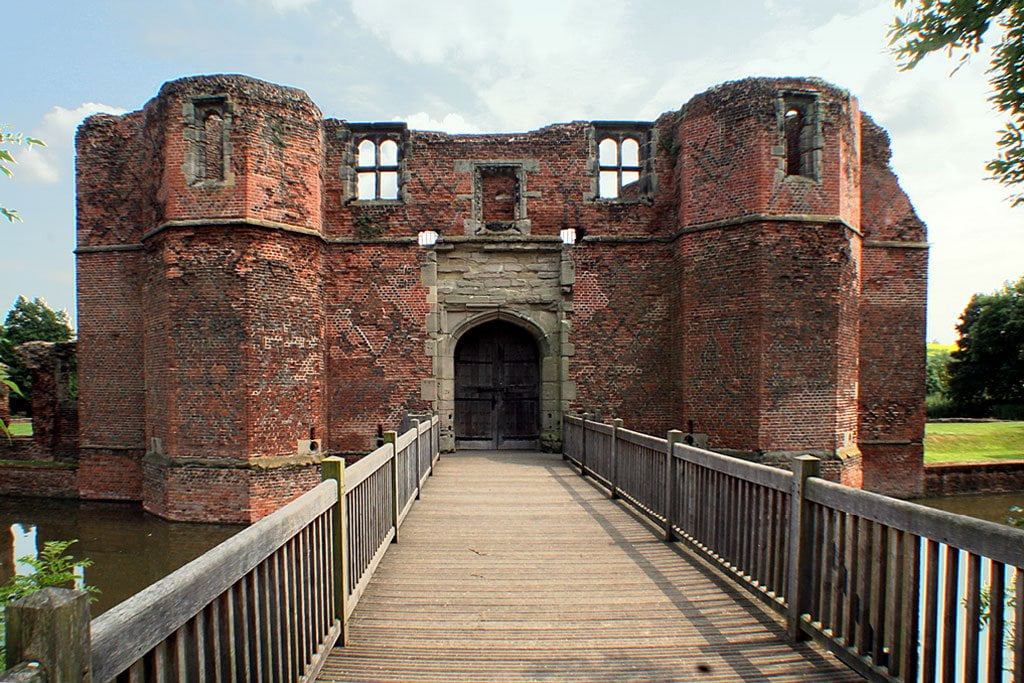
There was no universal gatehouse blueprint, but several defensive features recur. Flanking towers and arrow loops gave defenders protected firing positions. A ditch could make the approach harder, while a bridge or drawbridge controlled the crossing. Some entrances were further protected by a barbican—an outer fortified work placed in front of the main gateway.
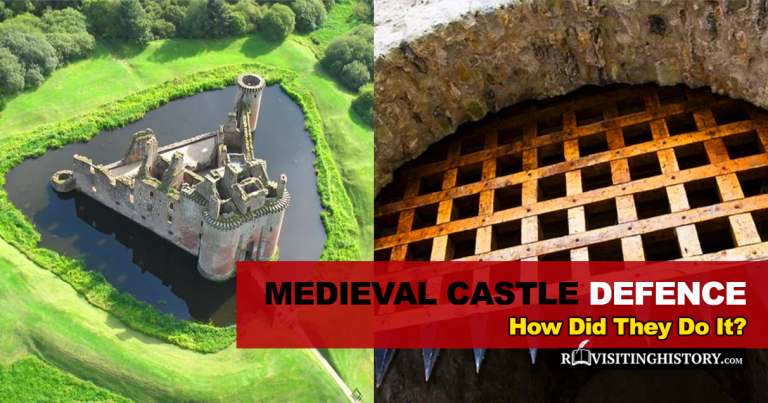
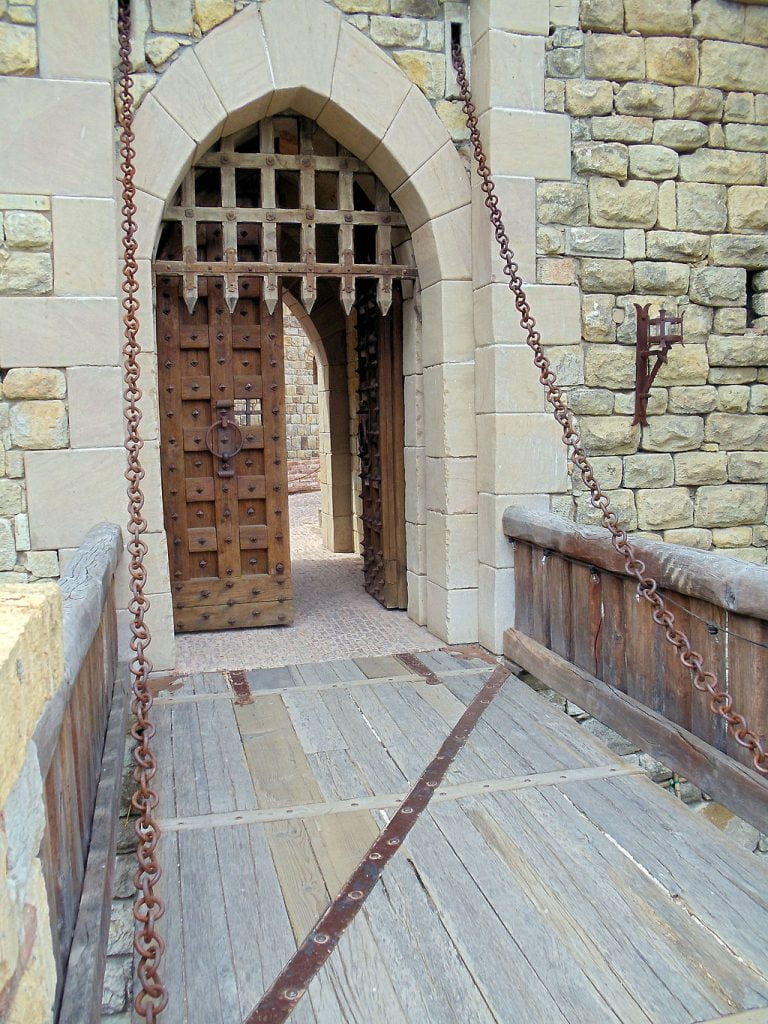
A portcullis was a heavy grille that could be raised to admit traffic and lowered to close the passage. It worked alongside strong timber doors rather than replacing them. More elaborate gateways could have multiple barriers, forcing attackers to overcome one obstacle after another. English Heritage notes that by the mid-13th century powerful gatehouses were becoming central elements of castle defence, including in the concentric castles later built by Edward I in Wales.
Inside the Gatehouse
Passing the first barrier did not necessarily mean an attacker was through. A defended passage could place intruders beneath openings and firing positions while another gate or portcullis blocked the way ahead. The exact arrangement depended on the castle: the dramatic two-portcullis “trap” familiar from popular culture was possible in some gateways, but it should not be treated as a standard feature of every medieval gatehouse.
Murder Holes
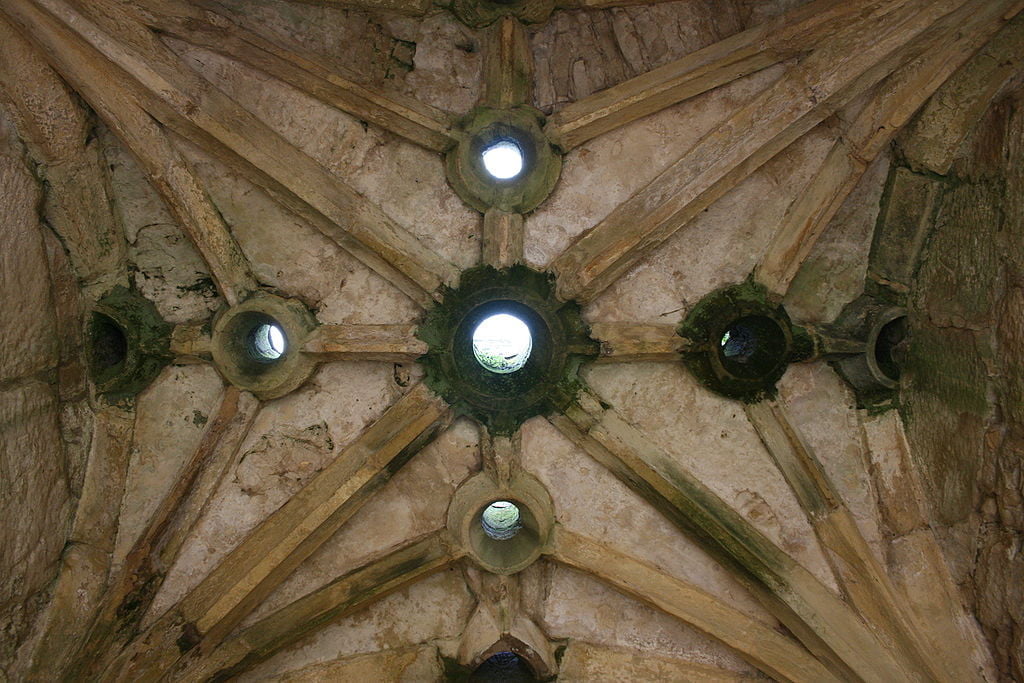
Openings in the ceiling of a gateway passage allowed defenders above to attack people below. English Heritage describes surviving examples as being used to drop objects or other materials on attackers. The familiar image of defenders routinely pouring huge quantities of boiling oil is much less secure historically, so the earlier claim that boiling oil and tar were standard gatehouse weapons has been removed.
Rooms, Accommodation and Chapels
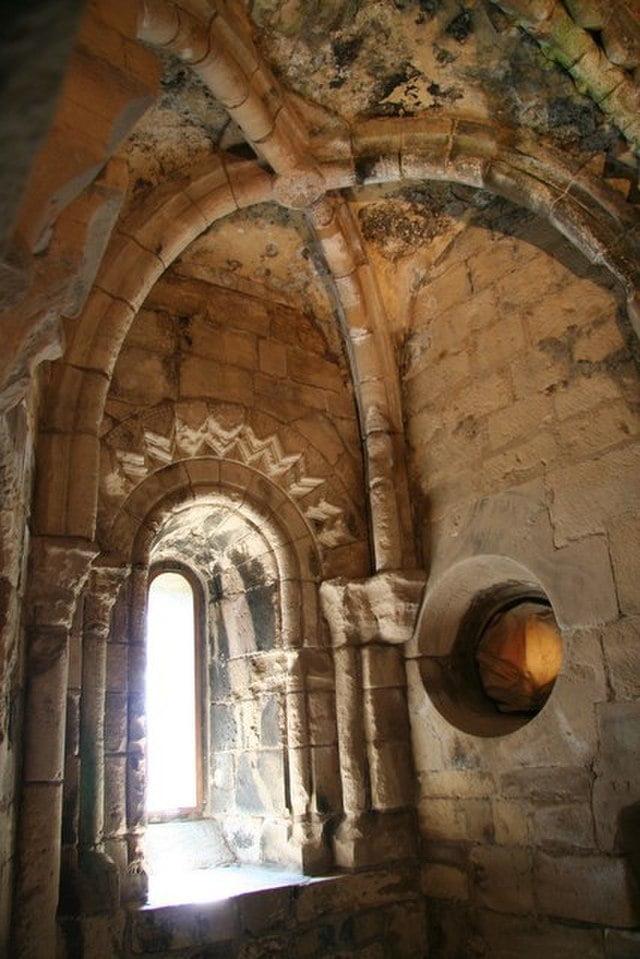
Gatehouses could contain much more than defensive machinery. Upper rooms might accommodate guards, officials or high-status occupants, and some elaborate gateways incorporated domestic or ceremonial spaces. Chapels also occurred in castle buildings and occasionally in gatehouse complexes, but the earlier explanation that they were installed primarily to provide supernatural protection during a siege was speculative and has been removed. For the broader range of domestic spaces, see our guide to rooms inside medieval castles.
From Defence to Display
As castles evolved, gatehouses could combine military strength with increasingly impressive architecture and accommodation. It is too simple to say that later medieval gatehouses simply became “decorative”: warfare remained a real concern, but entrances also communicated wealth, lordship and status. The same building could therefore function as a checkpoint, defensive strongpoint, residence and ceremonial threshold.
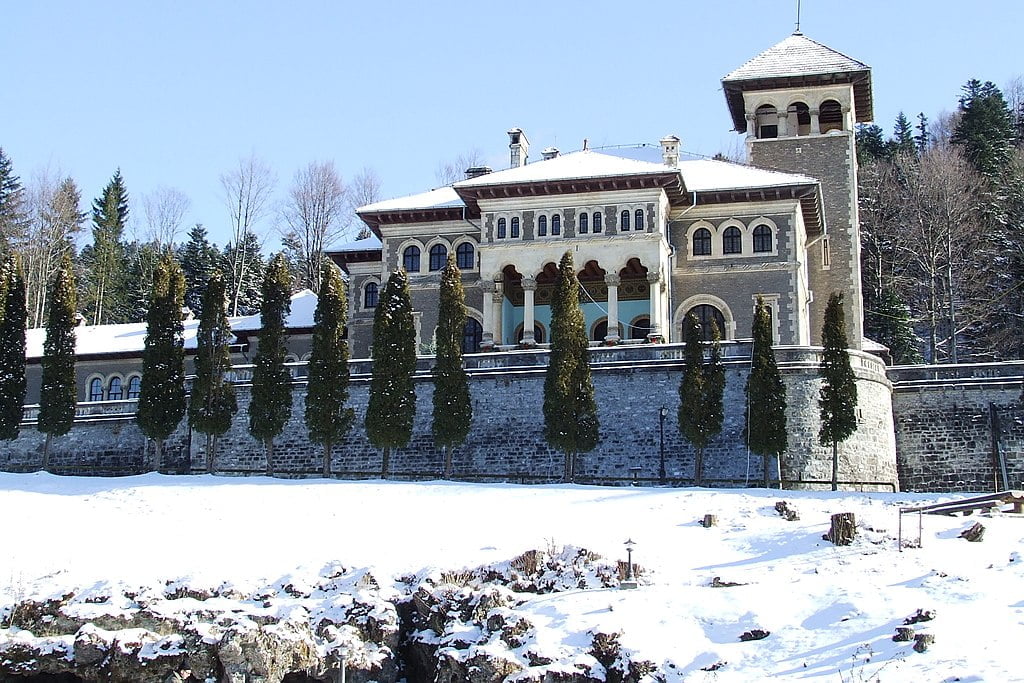
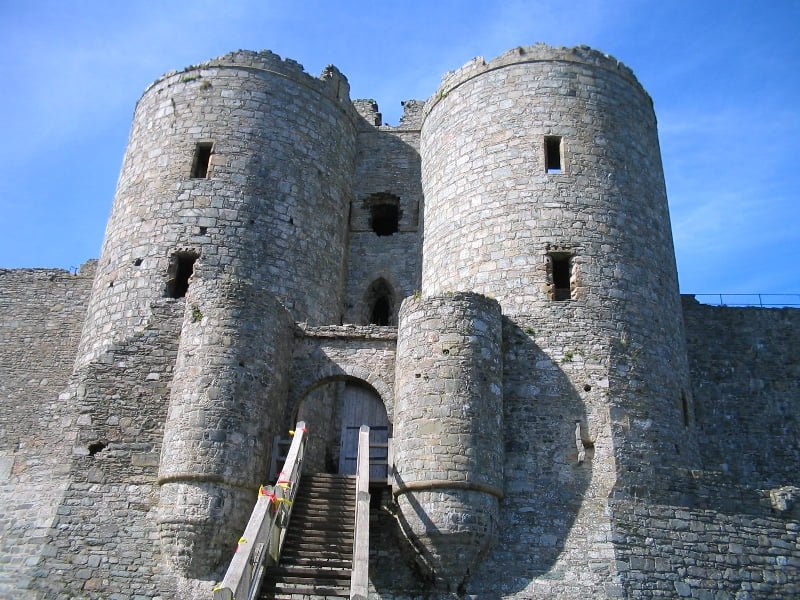
The gatehouse of Harlech Castle is an especially impressive example from Edward I’s Welsh castle-building programme. Its entrance complex illustrates how a major gatehouse could become one of the dominant architectural features of a fortress.
Frequently Asked Questions
How were medieval castle gates opened?
Large timber doors swung on substantial hinges. Portcullises moved vertically in grooves and were operated from the gatehouse above using lifting mechanisms. The precise machinery varied between sites and periods, so it is safer to describe ropes, chains, windlasses or related lifting gear than to imagine one standard mechanism used everywhere.
How were medieval gates secured?
Heavy doors could be secured from inside with bars, bolts and locking hardware, while a lowered portcullis created a separate physical barrier. The earlier version described a single “deadbolt” arrangement as universal; surviving castles show that entrance systems were much more varied.
Gatehouses are therefore best understood as systems rather than single gates. Their effectiveness came from combining obstacles, protected firing positions, controlled passages and strong doors with the castle’s walls, towers and ditches. In some later castles the gatehouse became so substantial that it rivalled the castle keep in architectural importance.
For a closer look at how gatehouses fit into the complete fortress, continue with our guides to castle parts and layouts and medieval castle walls.