The Largest Palaces in the World (History & Travel Tips)
Palaces are surprisingly difficult to rank by size because published figures often measure different things: a building’s floor area, its footprint, an enclosed palace complex, or an entire estate and park. This list explores some of the world’s largest and most significant palace complexes while identifying those differences where reliable figures are available. The numbering is for navigation rather than a single apples-to-apples size ranking.
1. Château de Versailles, France
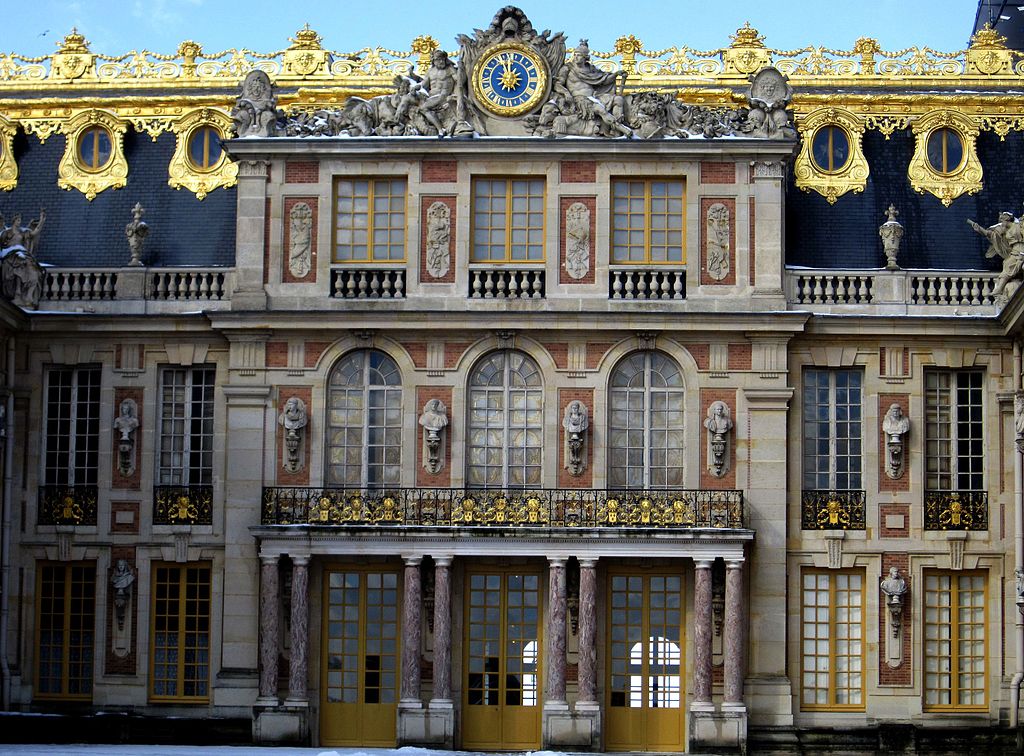
Château de Versailles is one of the world’s best-known royal complexes, but its size depends on what is being measured. The Palace of Versailles itself contains 2,300 rooms across 63,154 square meters (679,784 sq ft), while the wider estate extends across roughly 800 hectares. Louis XIII established a hunting lodge here in the 17th century; Louis XIV transformed and enlarged it, installing the royal court and government at Versailles in 1682.
The palace is famous for its opulent architecture and decor, including the Hall of Mirrors–considered one of the most beautiful rooms in the palace. The hall was frequently used for grand ceremonies and receptions. The palace’s Gardens of Versailles are a masterpiece of French landscape design – they cover 800 hectares and include several fountains, statues, and groves.
2. The Forbidden City, Beijing, China
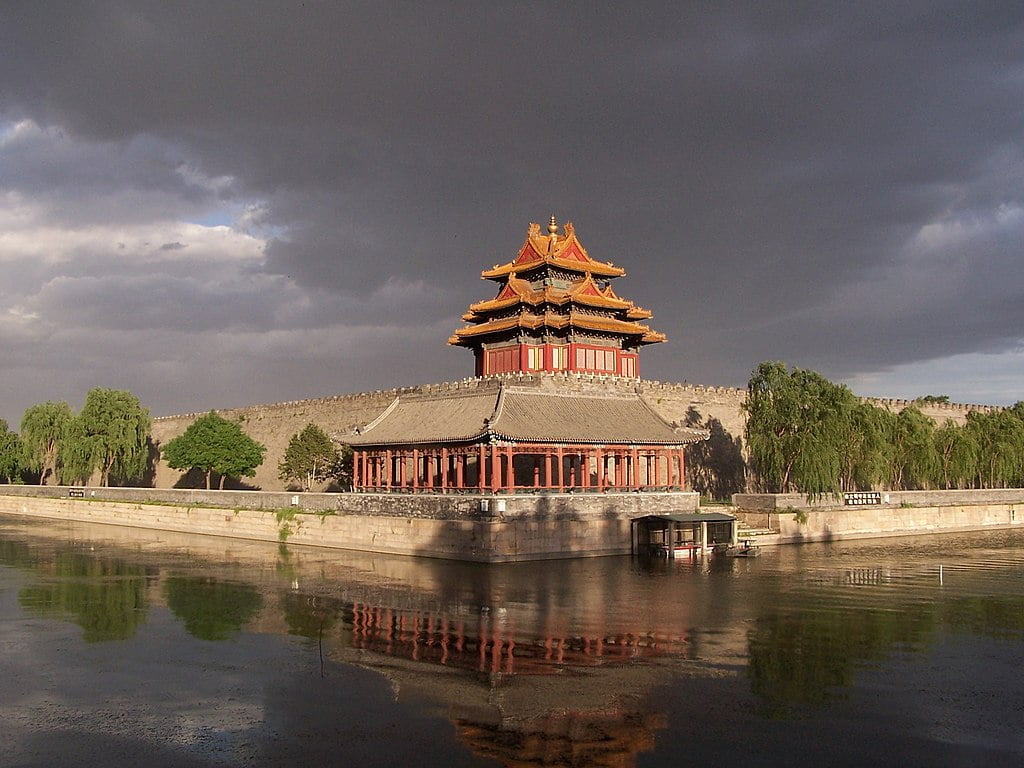
The Forbidden City in Beijing, China is one of the world’s most famous and well-preserved palaces. It served as the Imperial palace for 24 emperors of the Ming and Qing dynasties and was considered the center of power and politics in China for over 500 years. The palace was off-limits to ordinary citizens for nearly 500 years, giving it the nickname “The Forbidden City.” This has contributed to its allure and reputation as one of China’s most treasured cultural and historical landmarks.
The Forbidden City is a palace complex rather than a castle. Its walled precinct covers about 72 hectares (720,000 square meters) and contains hundreds of surviving buildings, including the Hall of Supreme Harmony, the Hall of Preserving Harmony, and the Palace of Tranquil Longevity. UNESCO inscribed the Imperial Palaces of the Ming and Qing Dynasties in Beijing and Shenyang as a World Heritage Site, recognizing the Beijing complex as an exceptional example of Chinese palatial architecture.
3. Royal Palace of Caserta, Italy
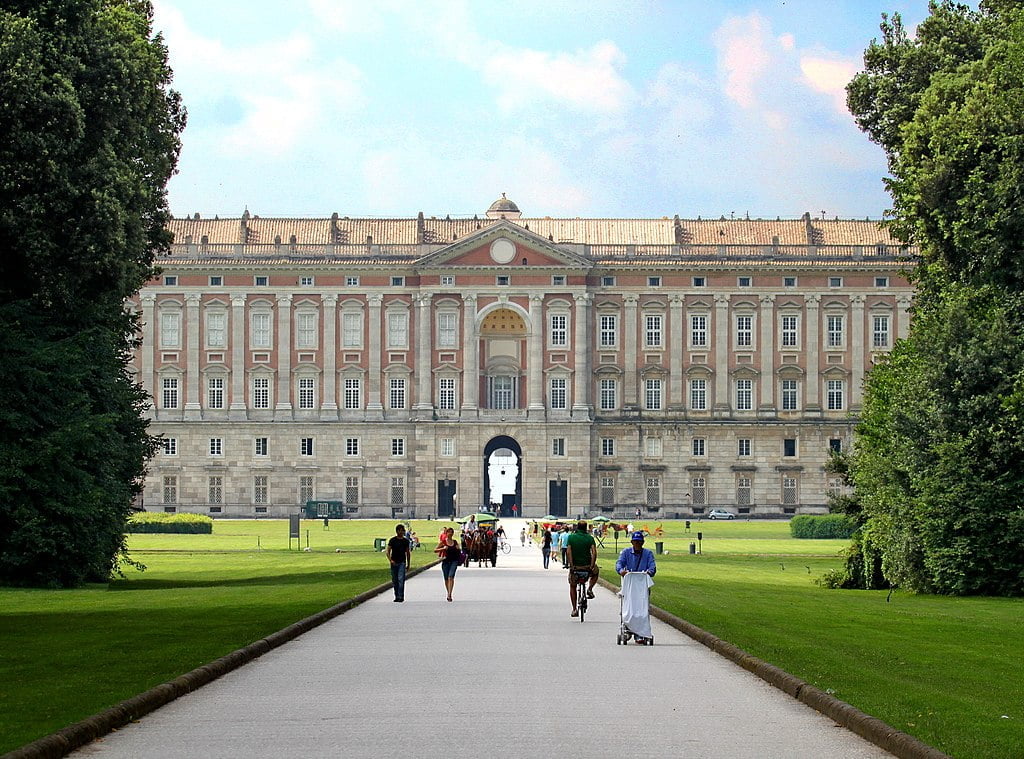
The Royal Palace of Caserta is one of Europe’s largest purpose-built royal residences. Construction began in 1752 for Charles of Bourbon, then King of Naples and Sicily, under architect Luigi Vanvitelli. The palace footprint is about 47,000 square meters and the building contains roughly 1,200 rooms; beyond it stretches a park of about 120 hectares. Caserta and its associated park, aqueduct, and San Leucio complex were inscribed as a UNESCO World Heritage Site in 1997.
The palace is considered one of the most important examples of Baroque architecture in the world and is a UNESCO World Heritage Site. It remains one of the largest palaces ever built. The grand design and rich history make it a popular tourist destination in Italy.
4. The Grand Palace, Bangkok, Thailand
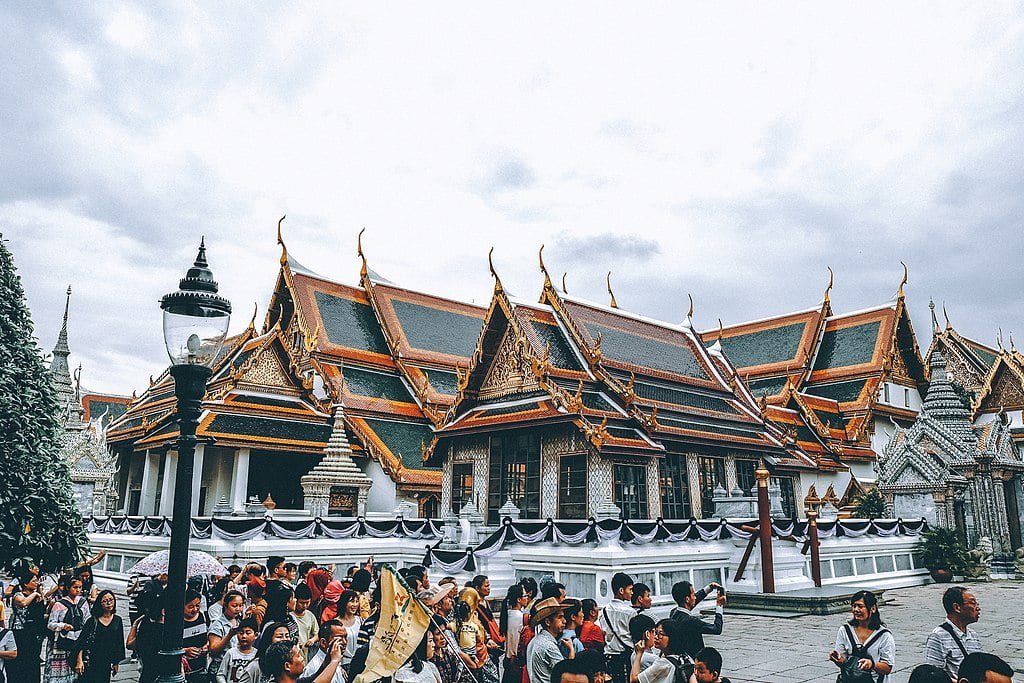
The Grand Palace in Bangkok, Thailand is a stunning complex of buildings that serves as the official residence of the King of Thailand and is considered one of the world’s largest and most important palaces. It covers an area of 218,400 square meters (2.35 million square feet) and is known for its intricate Thai-style architecture displaying gold-plated roofs and ornate details.
The complex contains numerous buildings, including the Temple of the Emerald Buddha (Wat Phra Kaew), which serves as the Chapel Royal and houses Thailand’s revered Emerald Buddha image, as well as throne halls used for royal audiences and ceremonies. The official Grand Palace site states that the enclosed grounds cover about 218,000 square meters.
5. Istana Nurul Iman, Bandar Seri Begawan, Brunei
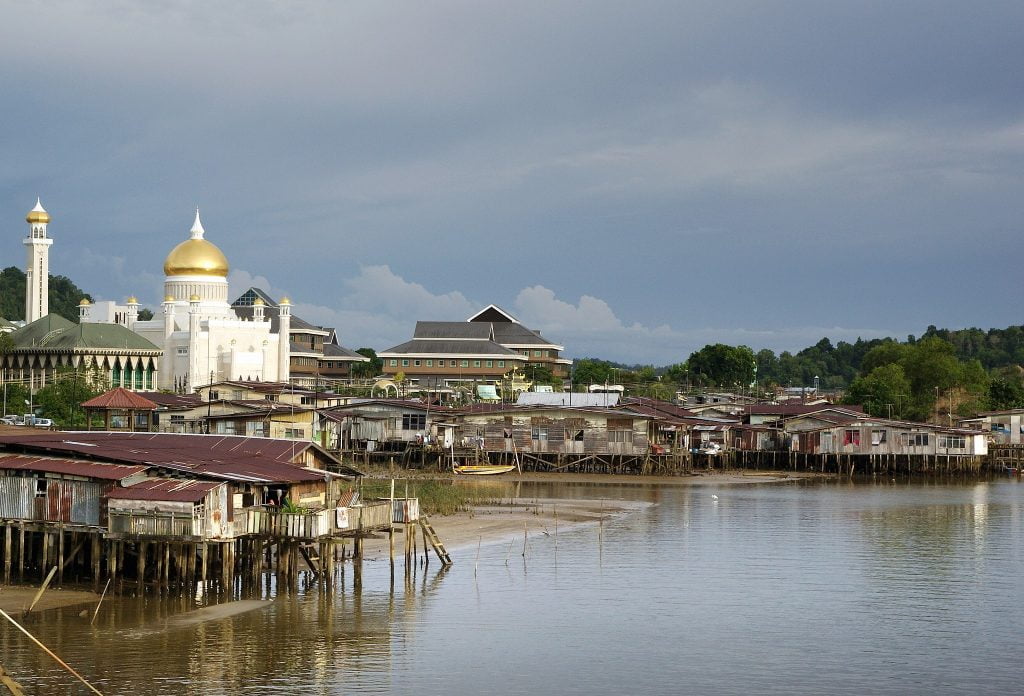
Istana Nurul Iman, near Bandar Seri Begawan, is the official residence of the Sultan of Brunei and the seat of Brunei’s government. Guinness World Records recognizes it as the world’s largest residential palace, covering about 200,000 square meters (2.15 million sq ft) and containing 1,788 rooms. Designed by architect Leandro V. Locsin, it was completed in 1984.
Located on the banks of the Brunei River, the palace is normally closed to ordinary sightseeing. Its best-known public opening is associated with Hari Raya Aidilfitri at the end of Ramadan, when Bruneians and international visitors have traditionally been welcomed during the annual open-house celebrations.
Revisit More Historic Places Below or Read Further
6. The Royal Palace of Madrid, Spain
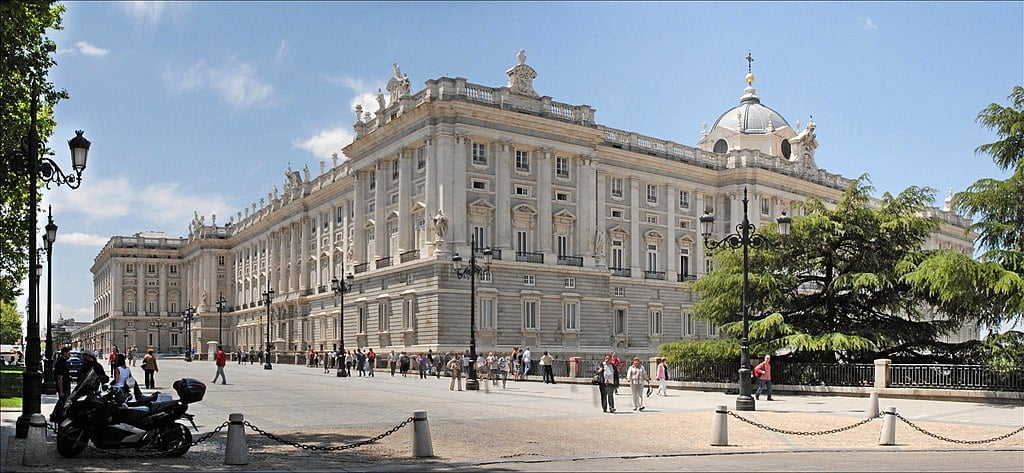
The Royal Palace of Madrid is the Spanish monarch’s official residence and is used for state ceremonies and official events. The present palace was begun in 1738 after the old Royal Alcázar burned in 1734; Charles III became the first monarch to occupy the new building. Patrimonio Nacional describes it as the largest royal palace in Western Europe, with more than 135,000 square meters of floor area and 3,418 rooms.
The palace contains several museums and art collections, including works by famous Spanish artists such as Velázquez and Goya. The Royal Palace of Madrid is a popular tourist attraction, attracting millions of visitors each year who come to admire its beauty and learn about Spanish history and culture. The palace is also used for state ceremonies and official events, symbolizing the Spanish monarchy and its long history.
7. The State Palace, Jakarta, Indonesia
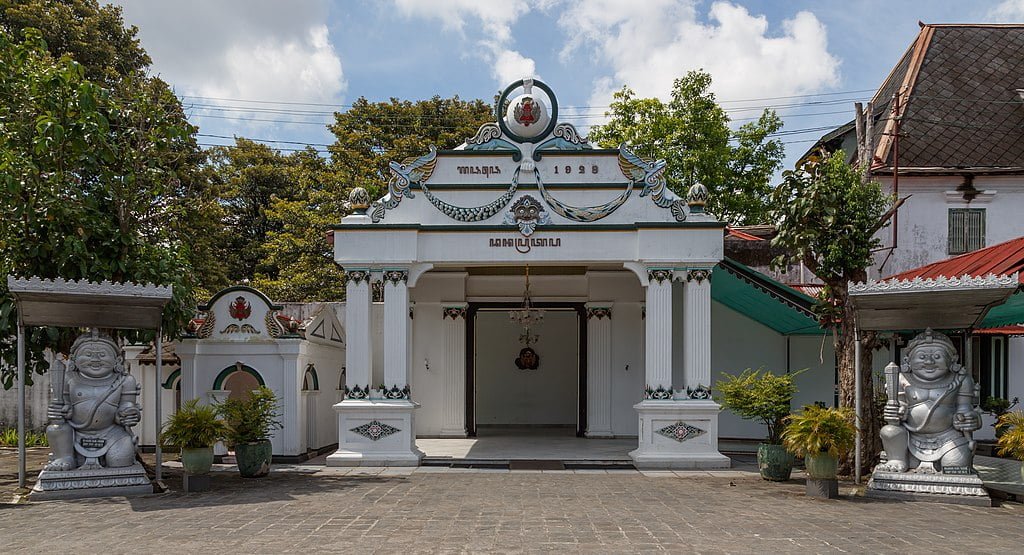
Jakarta’s Istana Negara (State Palace) forms part of the Indonesian presidential palace complex. The building began as the private residence of Dutch citizen J. A. van Braam between 1796 and 1804 and was acquired by the colonial government in 1816. Today it is used for state and presidential functions alongside nearby Istana Merdeka; it should not be described simply as the president’s private home or as a public palace museum.
8. The Quirinal Palace, Rome, Italy
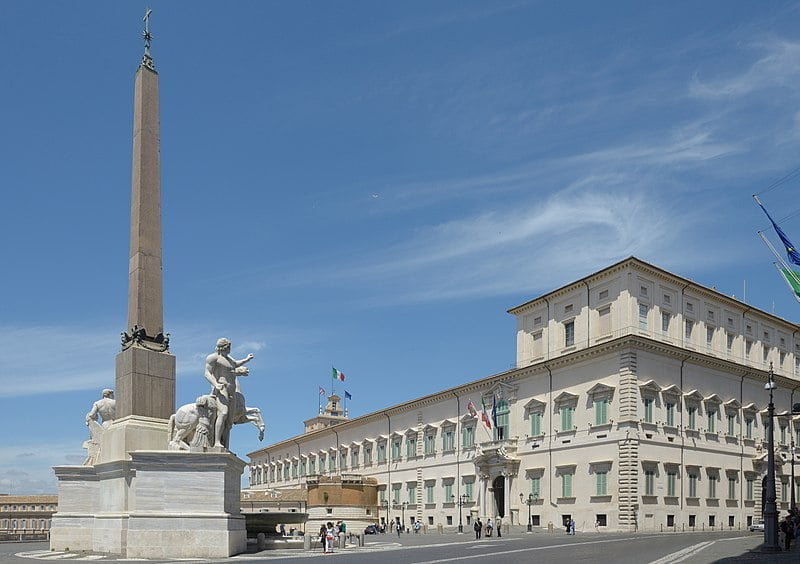
The Quirinal Palace, located in Rome, Italy, is a stunning piece of architecture steeped in history. It serves as the official residence of the President of the Italian Republic and is one of the largest palaces in the world. The palace has a rich and fascinating past, originally built in the 16th century as a summer residence for the Pope. Over the years, it has undergone numerous renovations, with each addition showcasing the ornate Baroque style and grand staircases that it is now famous for.
The Quirinal is the seat of the Presidency of the Italian Republic and preserves nearly five centuries of architectural and artistic history. Official tours and virtual visits highlight rooms decorated with works including frescoes by Guido Reni and Pietro da Cortona, as well as additions made under successive papal, royal, and republican occupants.
9. Former Presidential Palace, Havana, Cuba
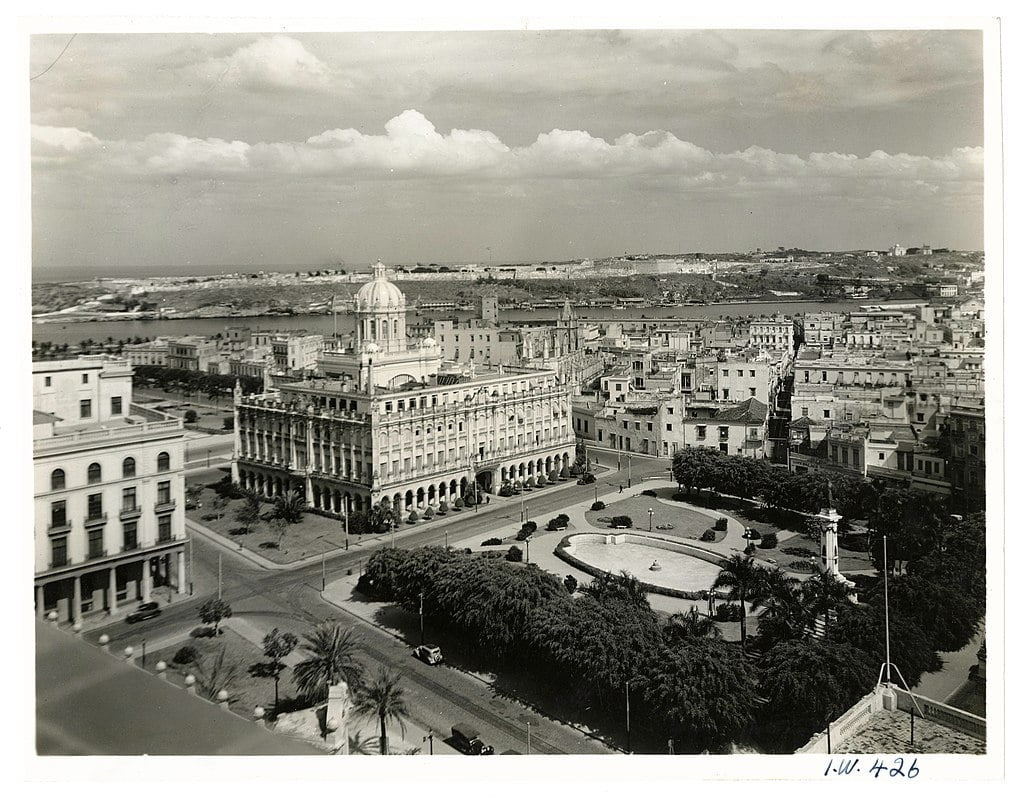
Havana’s former Presidential Palace is now the Museum of the Revolution. Inaugurated in 1920, it served as Cuba’s presidential palace until the 1959 Revolution. It should not be confused with Havana’s Palace of the Revolution, the modern government complex in Plaza de la Revolución.
It is known for its distinctive marble columns, ornate balconies, and large central dome, as well as its role in Cuban history as the site of key political events and meetings. The Presidential Palace is located in the heart of Havana and is one of the city’s most recognizable landmarks, attracting thousands of visitors each year who come to admire its historical significance and impressive architecture.
10. The Royal Palace of Brussels, Belgium
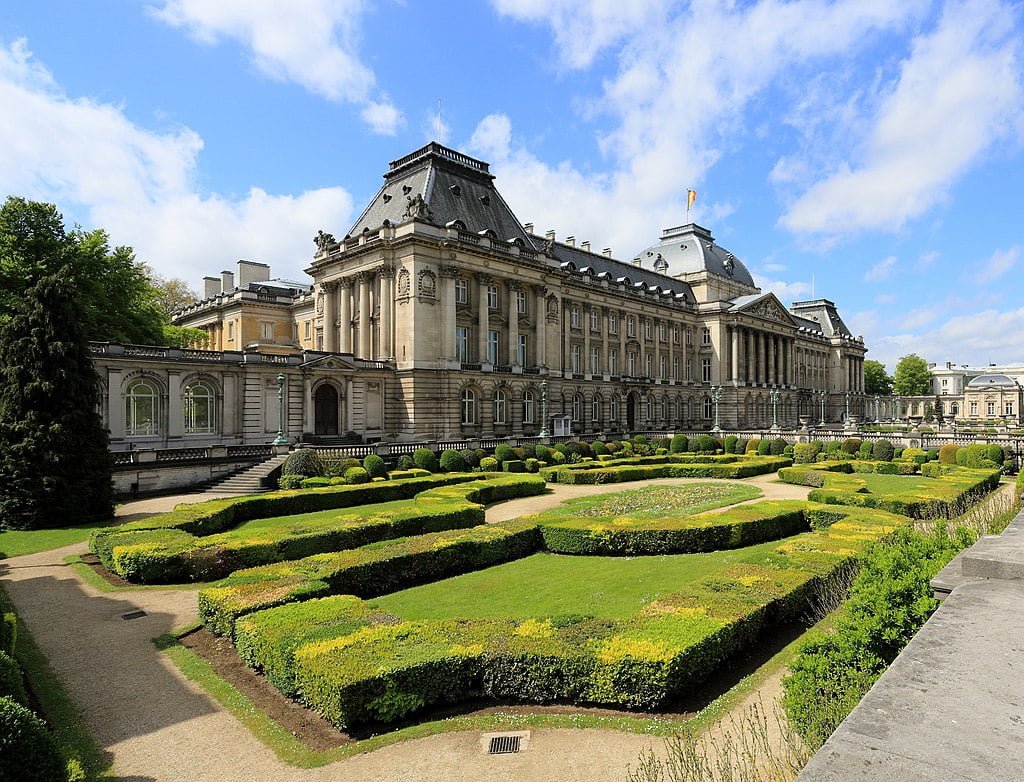
The Royal Palace of Brussels is the Belgian king’s administrative residence and principal workplace, not the royal family’s private home. Much of the present palace took shape after 1815 and was substantially enlarged and remodeled under King Leopold II in the late 19th and early 20th centuries. Its ceremonial rooms continue to host audiences, receptions, concerts, and state occasions.
Highlights include the Throne Room, Marble Room, Large Gallery, and Mirror Room. The palace is not the Royal Museums of Fine Arts of Belgium; instead, the Belgian monarchy traditionally opens selected palace rooms to visitors during a limited summer season. In 2026, the official public opening ran from July 3 through August 16 after major renovation work.
11. Amalienborg, Copenhagen, Denmark
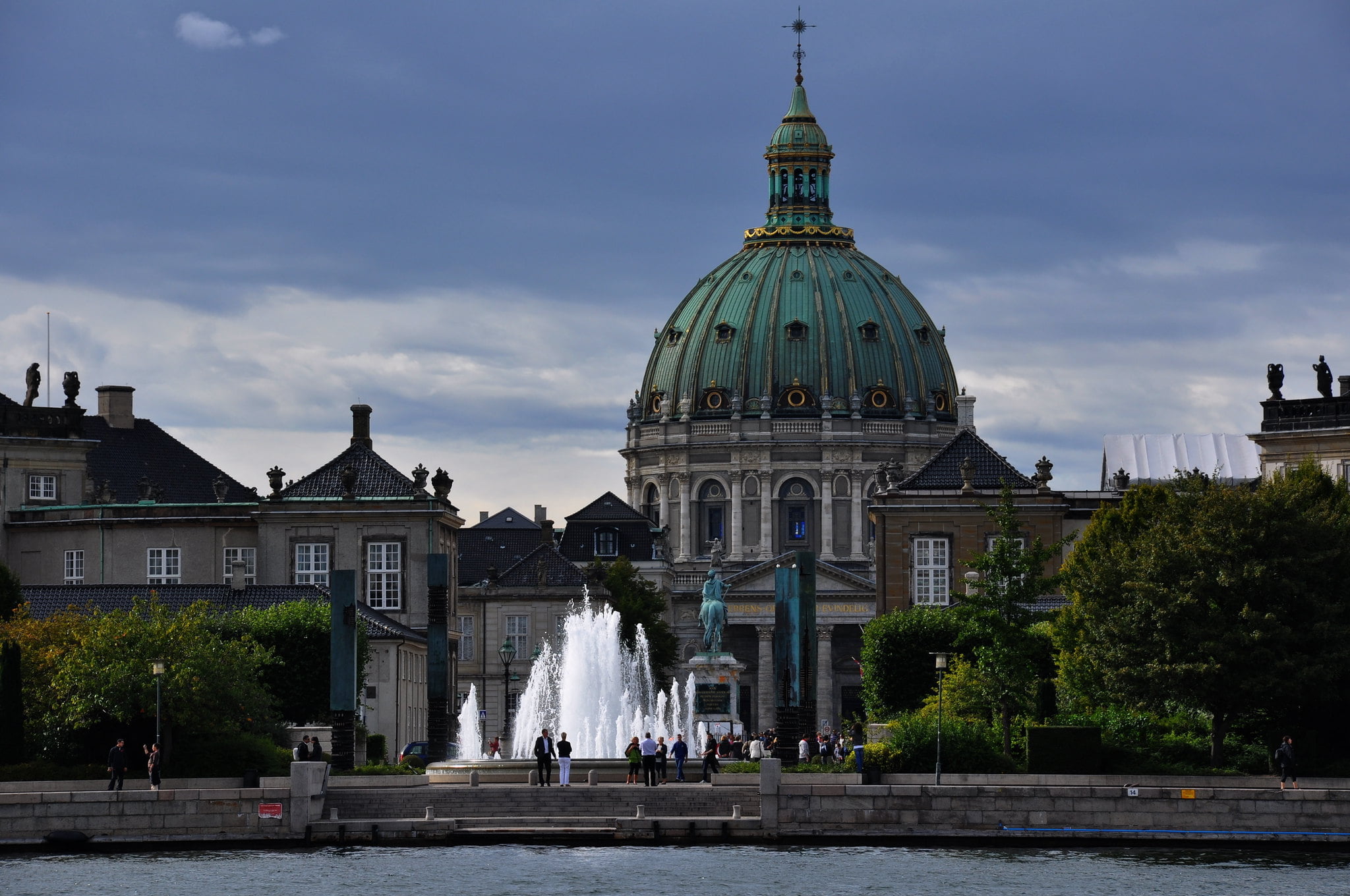
Amalienborg is the principal Copenhagen residence of the Danish royal family. The complex consists of four closely related Rococo palaces arranged around an octagonal square and developed in the 18th century. It should not be confused with Det Gule Palæ (the Yellow Palace), a separate nearby royal administration building on Amaliegade.
The palace also features a beautiful courtyard and a changing of the guard ceremony that takes place daily, making it a popular tourist attraction. Additionally, the palace is located near several other important landmarks in Copenhagen, including the Marble Church and the Royal Opera. The Yellow Palace is a unique and beautiful building that offers a glimpse into the Danish Royal Family’s life and Copenhagen’s rich history.
Honorable Mentions
Here are some amazing palaces that didn’t make it to the top 10 list but are eyecatching pieces of history in their own rights:
12. Topkapı Palace, Istanbul, Turkey
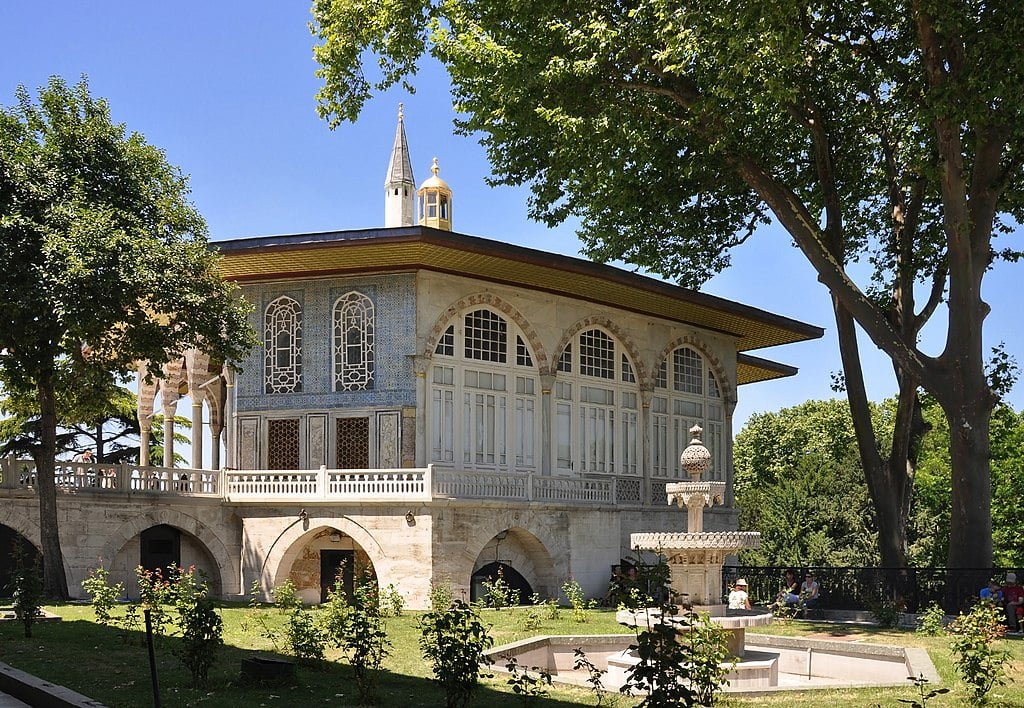
The Topkapi Palace in Istanbul, Turkey is an awe-inspiring historic gem that’ll whisk you away to the glory days of the Ottoman Empire. This palace was the primary abode of the Ottoman Sultans for centuries and its magnificence will leave you speechless. Perched atop a hill with breathtaking views of the Bosphorus Strait, the palace is a sight for sore eyes.
The palace complex includes several courtyards, museums, a mosque, and several ornate buildings that housed the Sultan and his court. The palace’s Harem, a private residence for the Sultan’s wives and concubines, is also a major attraction for visitors. The Topkapi Palace is now a museum and is home to a vast collection of artifacts, including the 86-carat Spoonmaker’s Diamond, the Topkapi Dagger, and the emerald-studded Throne of Sultan Ahmed III.
Although quite different from the typical medieval architecture, the palace is an excellent example of Ottoman architecture and boasts a rich history that makes it a must-visit destination for tourists visiting Istanbul.
13. Esterháza Palace, Fertőd, Hungary
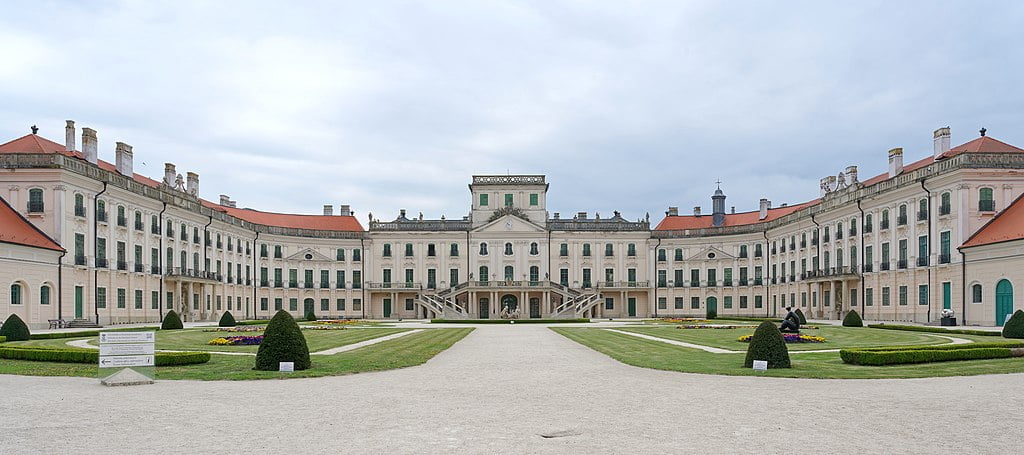
Esterháza Palace stands at Fertőd in present-day Hungary, not Austria. Prince Nikolaus I Esterházy transformed the estate into a lavish 18th-century court complex, and composer Joseph Haydn spent important periods there while employed by the Esterházy family. The palace remains closely associated with the family’s musical and cultural patronage.
14. Palace of the Parliament, Bucharest, Romania
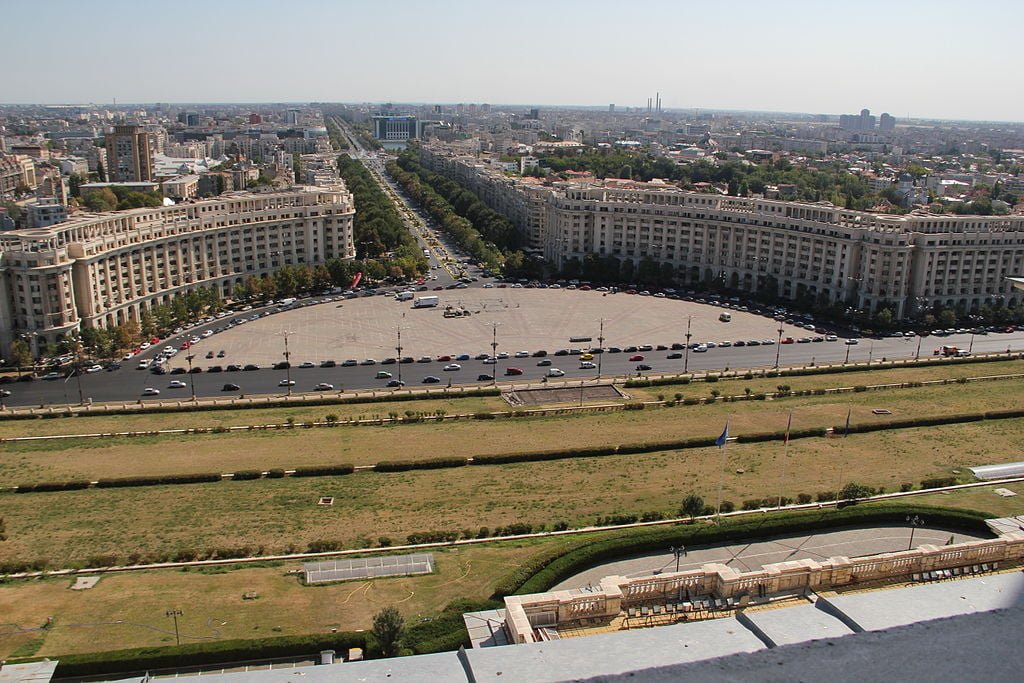
The Palace of the Parliament in Bucharest is a government building rather than a royal residence, but its official conference center describes it as the world’s largest administrative palace. Guinness World Records lists roughly 340,000 square meters of floor area and about 1,100 rooms, making it one of the largest administrative buildings ever constructed.
Constructed in the 1980s under the dictatorship of Nicolae Ceaușescu, it is an impressive example of Communist-era architecture. It boasts over 1,000 rooms, a conference center, and a massive central atrium. The palace is surrounded by gardens and fountains and is decorated with marble, crystal, and gold. Despite criticism of its lavish extravagance and the dictator’s regime, the palace remains a popular tourist attraction and a symbol of Romanian history.
15. The Winter Palace, St. Petersburg, Russia
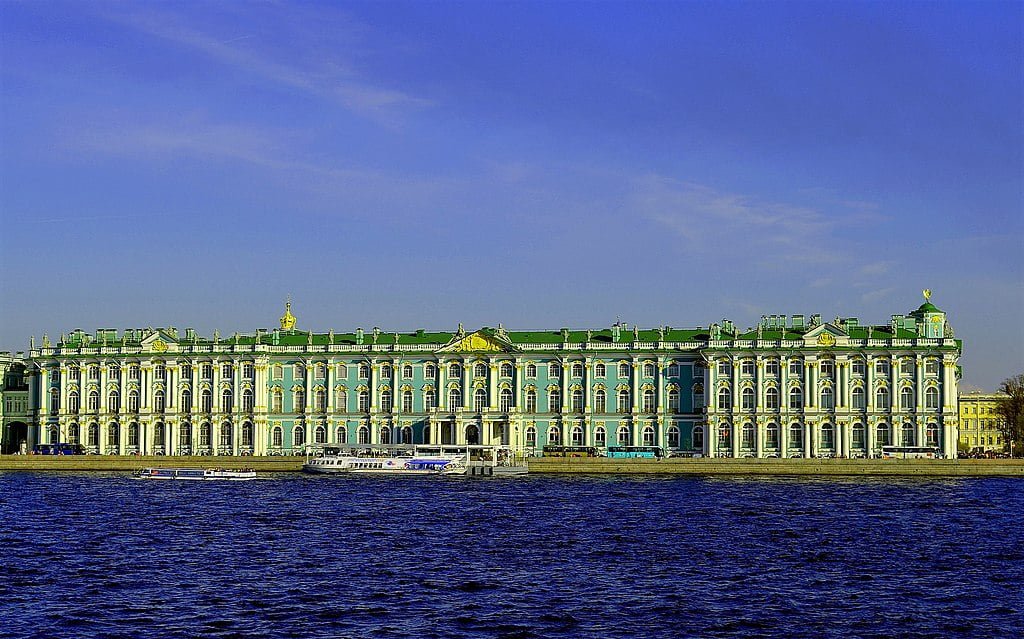
The Winter Palace in St. Petersburg was the principal imperial residence of Russia’s rulers for generations. The present Baroque palace was designed by Bartolomeo Francesco Rastrelli for Empress Elizabeth and built from 1754 to 1762. It later became one of the best-known settings of the 1917 Revolution, although the Romanov monarchy had already ended with Nicholas II’s abdication months before the Bolsheviks seized the palace in November 1917 (October in the old Russian calendar).
But despite its tumultuous past, the palace still stands tall and proud, now serving as part of the Hermitage Museum – one of the largest and oldest museums in the world. As you stroll through its ornate halls and gaze upon its glittering chandeliers, you’ll be transported back in time, soaking up Russia’s rich cultural history with every step.
Conclusion
In conclusion, the world is home to a variety of magnificent palaces that showcase different architectural styles and rich histories. We hope this list inspires you to go out there and explore them in their full glory!