Hohenzollern Castle – History of Three Fortresses
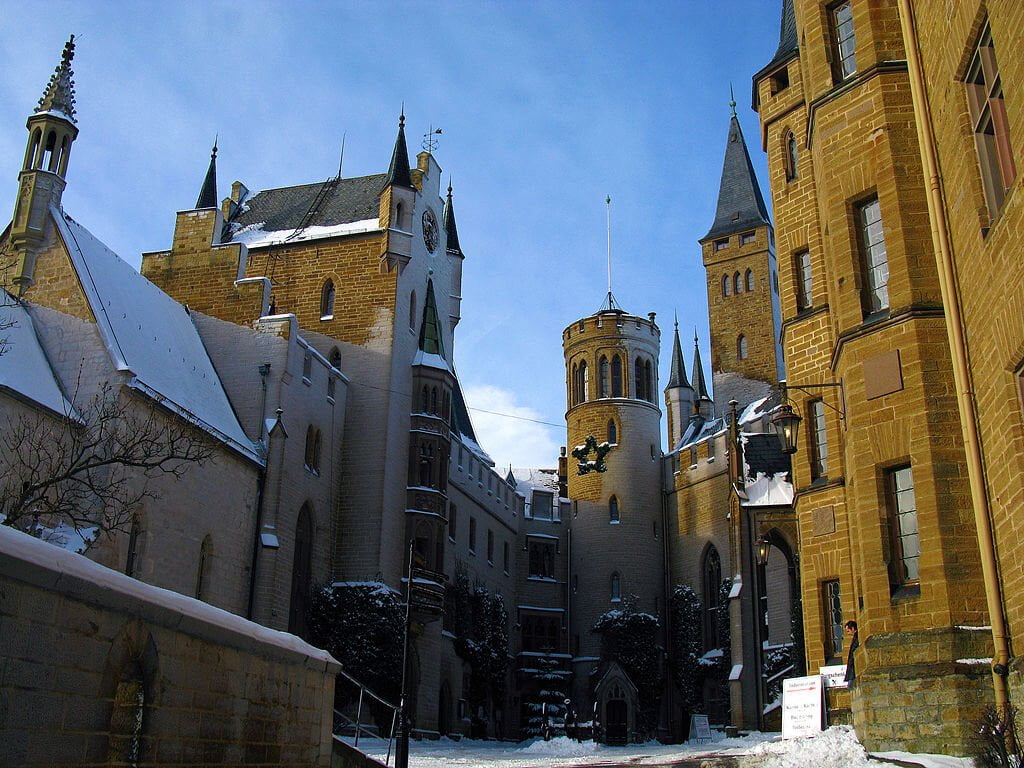
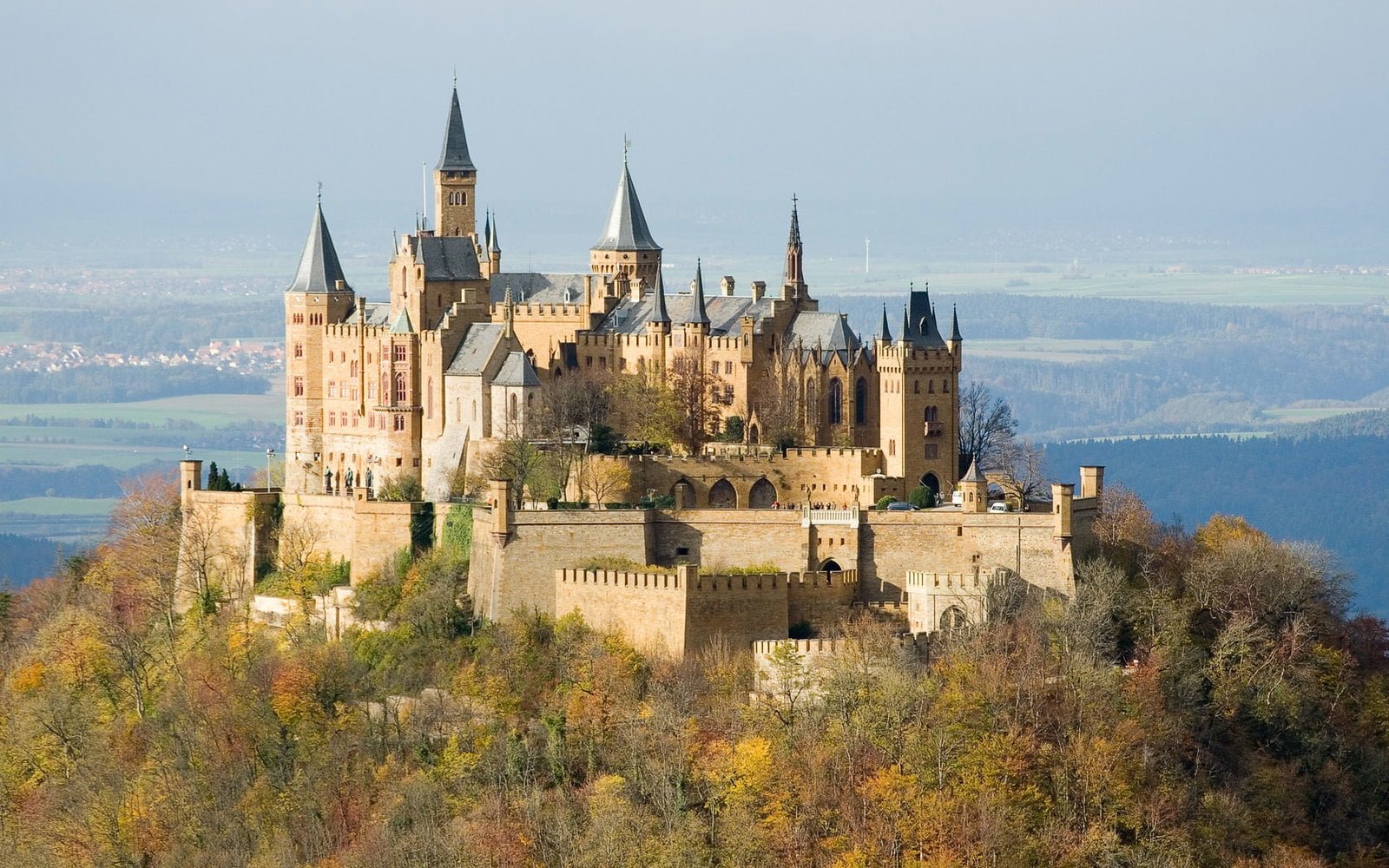
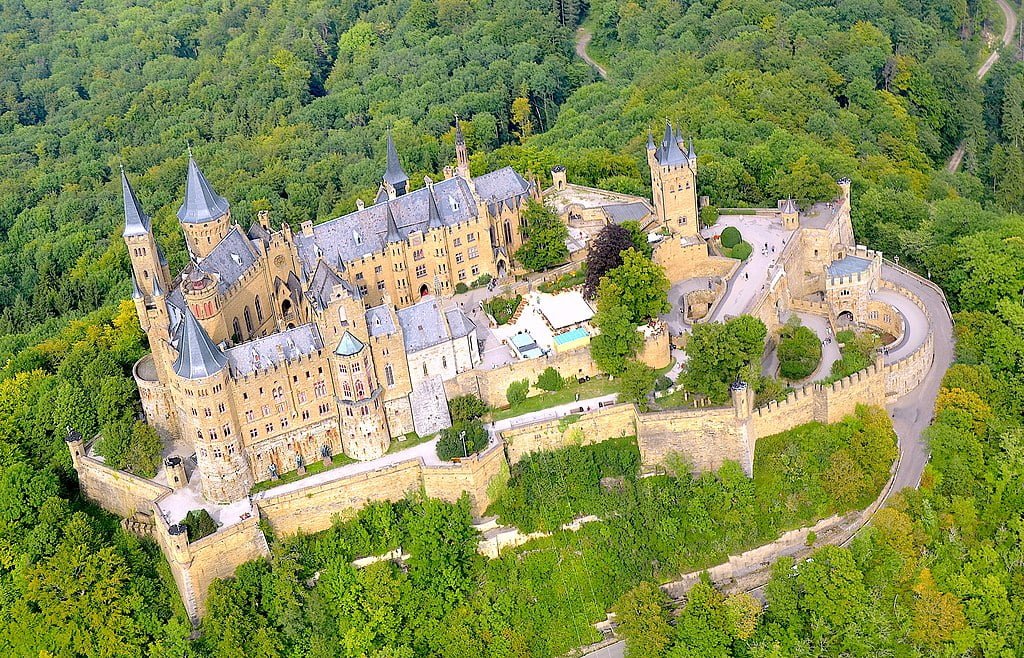
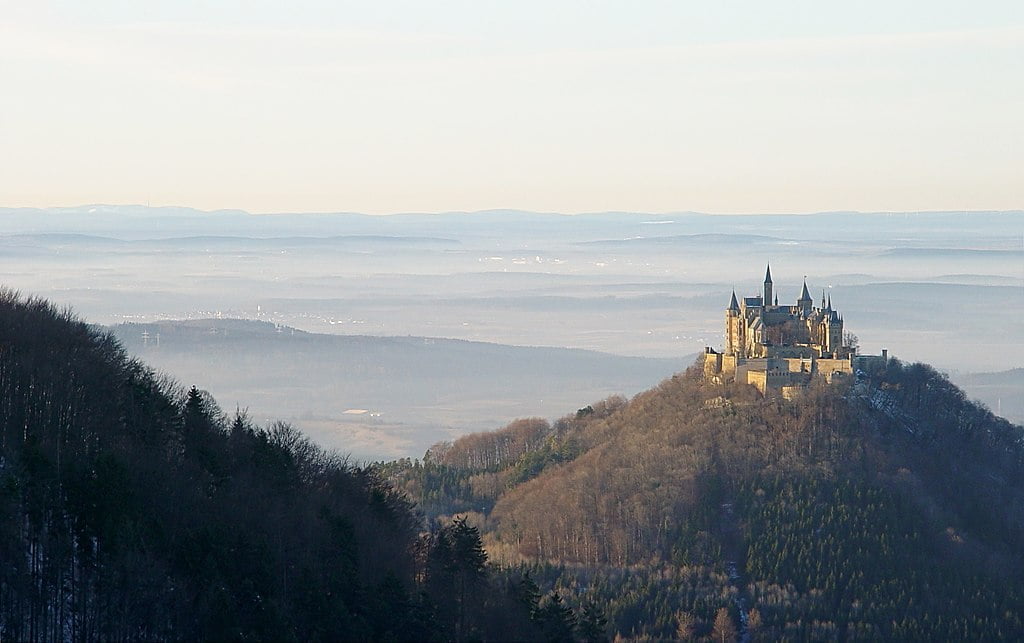
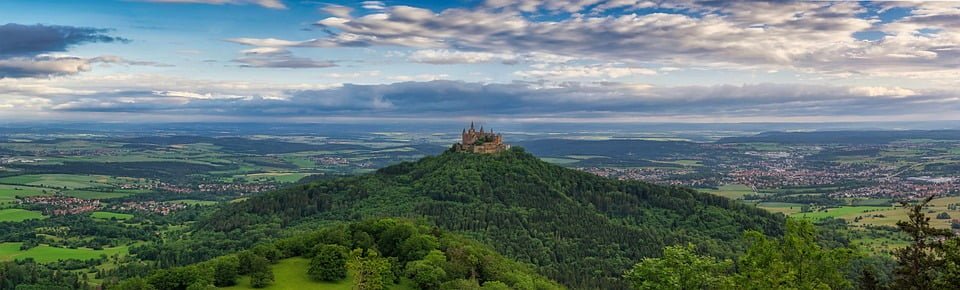
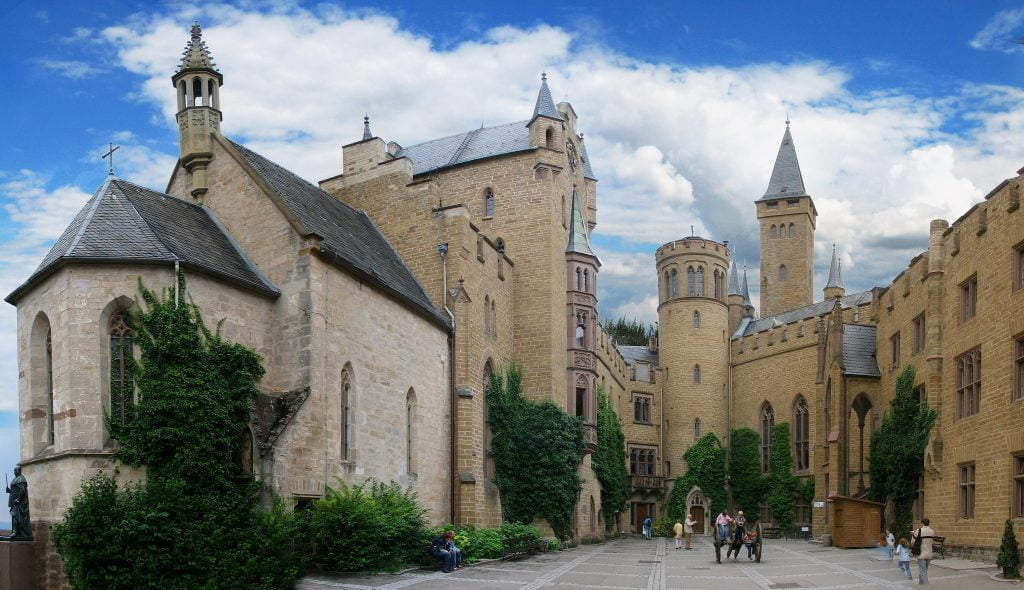
Hohenzollern Castle crowns the Zoller Mountain south of Hechingen and serves as the ancestral seat of the Hohenzollern dynasty. Its towers and walls look medieval, but the present neo-Gothic complex was built between 1850 and 1867.
Two earlier fortresses occupied the same summit. The first was destroyed in 1423; the second, begun in 1454, was strengthened and occupied for centuries before neglect, weather and earthquakes reduced most of it to ruins.
Today the privately owned castle is one of the best castles to visit in Germany, combining family history, museum collections and dramatic views with the atmosphere of a real-life fantasy castle.
The castle seen today is a 19th-century neo-Gothic monument built on the foundations of two earlier fortresses.
Frequently Asked Questions
It stands on the Zoller Mountain, about 50 kilometres south of Stuttgart and immediately south of Hechingen in Baden-Württemberg, Germany.
The first fortress probably dates to the first half of the 11th century. The current third castle was built from 1850 to 1867 for King Friedrich Wilhelm IV of Prussia, using plans by Friedrich August Stüler.
Since 1 January 2026, Georg Friedrich Prince of Prussia, head of the Prussian branch of the Hohenzollern family, has been the sole owner. The castle remains privately financed.
Yes. The grounds, showrooms and Treasury are open to visitors on most days, with seasonal schedules and occasional closures. Online booking is recommended.
FOR HISTORY | BEAUTIFUL IMAGES | INTERESTING FACTS | TRAVEL TIPS
History of Hohenzollern Castle
The First Castle
The House of Hohenzollern appears in written records in the 11th century, while the first explicit reference to the castle dates to 1267. Archaeological evidence suggests that the fortress itself may have been built in the first half of the 11th century on the then-unwooded, cone-shaped summit.
In 1423, forces led by the Swabian League of Cities besieged the stronghold during a conflict involving Friedrich XII of Zollern. After about ten months, the garrison surrendered and the first castle was destroyed.
The Second Castle
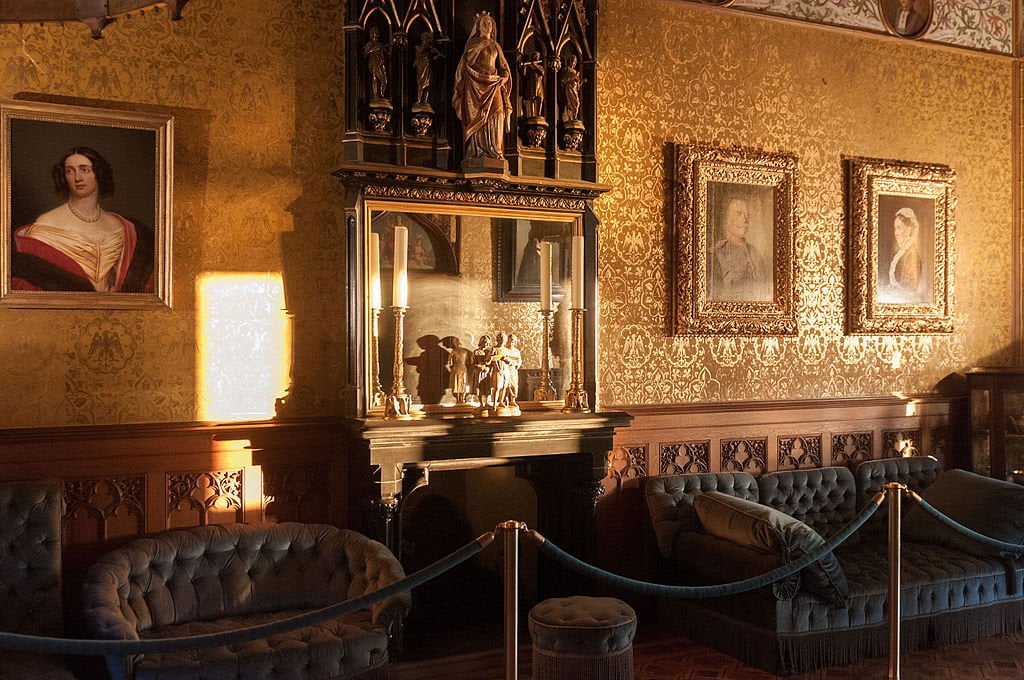
Count Jost Niklas of Zollern laid the foundation stone for a larger second castle in 1454. A bastion ring strengthened it during the Thirty Years’ War, but the Hohenzollern family gradually shifted its residence into the valley. Repeated occupations, inadequate maintenance, weather and earthquakes left the fortress in ruins.
The Third and Current Castle
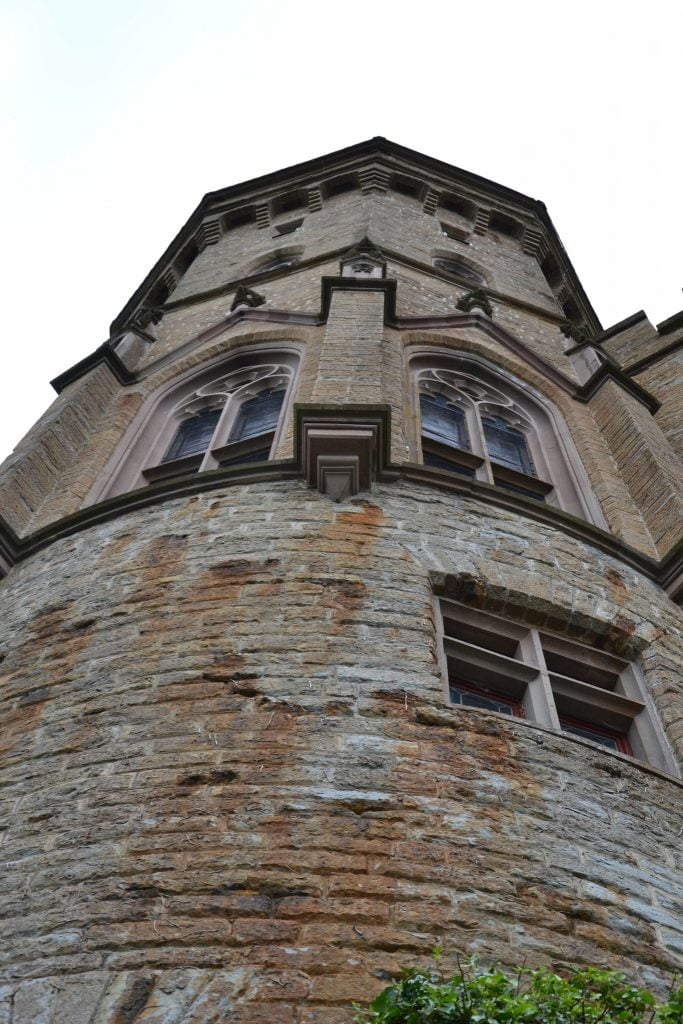
Crown Prince Friedrich Wilhelm of Prussia visited the ruins in 1819 and resolved to rebuild his family’s ancestral seat. After becoming King Friedrich Wilhelm IV, he began the project in 1850. Architect Friedrich August Stüler designed the neo-Gothic complex, while fortress architect Moritz von Prittwitz created the spiral approach and defensive works.
The new castle rose on the foundations of its predecessors and incorporated the surviving 15th-century Catholic St Michael’s Chapel. Friedrich Wilhelm IV died in 1861, before completion. His brother, King Wilhelm I of Prussia, formally inaugurated the castle on 3 October 1867.
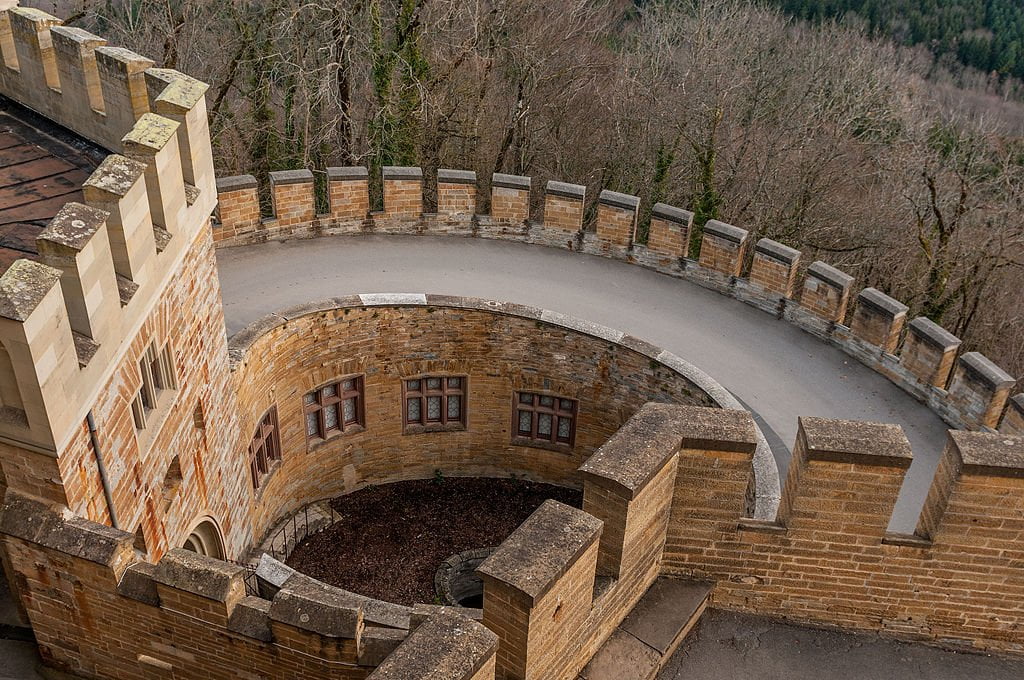
The project was primarily a dynastic monument and museum rather than a normal royal residence, although the site retained a representative and limited military role. Its castle design combines a horseshoe-shaped palace with a bastion ring, chapels and the steep ramp to the Eagle Gate.
Ownership and the Castle Museum
From 1952, Louis Ferdinand Prince of Prussia furnished the castle with paintings, jewellery and objects connected with Prussian and Hohenzollern history. He also converted the former kitchen into the Treasury.
The Prussian and Swabian branches long shared ownership. On 1 January 2026, Georg Friedrich Prince of Prussia became sole owner after the Swabian branch transferred its one-third share. The castle remains privately run and supports its preservation through admissions, catering and events.
The White Lady Legend
A story about a “White Lady” haunting the Hohenzollern family appears in many versions across Central Europe. The tale is part of the castle’s folklore, not established evidence about a specific 15th-century countess. It should be enjoyed as a legend rather than presented as documented history.
For another Saxon palace with a strong fairytale association, see our guide to Moritzburg Castle.
Revisit More Historic Places Below or Read Further
Hohenzollern Castle Today
The castle opens its museum rooms, Treasury, chapels, courtyards and viewpoints to visitors. Its collections include the Prussian royal crown, portraits, historic silver and personal objects associated with the Hohenzollern family.
The official site describes the complex as privately owned and self-financing. In addition to daily visits, it hosts seasonal events and supports the Princess Kira of Prussia Foundation, which offers holidays at the castle for children and young people from social institutions.
Interesting Hohenzollern Castle Facts
- The site has held three successive fortresses.
- The first castle probably originated in the 11th century and was destroyed in 1423.
- Construction of the second castle began in 1454.
- The present neo-Gothic castle was built from 1850 to 1867.
- Friedrich August Stüler designed the main complex; Moritz von Prittwitz designed the spiral fortified approach.
- St Michael’s Chapel survives from the 15th-century castle.
- The castle became solely owned by Georg Friedrich Prince of Prussia on 1 January 2026.
- The hillside was reforested with about 92,000 beech trees after the third castle was completed.
Visiting Hohenzollern Castle: Practical Information
Getting to Hohenzollern Castle
Hohenzollern Castle stands on the Zoller Mountain south of Hechingen in Baden-Württemberg. Drivers use the visitor car parks partway up the hill. Public transport usually involves a train to Hechingen followed by a regional bus; check the current timetable before travelling.
Admission normally includes car or motorbike parking and the shuttle between the visitor car park and the Eagle Gate. From the gate, the courtyard is about 350 metres uphill over partly cobbled ground; an elevator provides an alternative route to the Schnarrwacht bastion.
Opening Times and Tickets
For the 2026 summer season, 28 March to 1 November, the official site lists the castle complex open daily from 10:00 to 18:30, with the showrooms open until 18:00. Adult admission is €26 online or at the on-site terminal and €29 at the cash desk. Seasonal hours, closures and prices can change.
How Long Should You Spend?
Allow two to three hours for the courtyards, museum rooms, Treasury, chapels and views. Add extra time for the climb from the Eagle Gate, the restaurant or a busy admission period.
Opening schedules and prices change by season. Check the official Hohenzollern Castle visitor page and official ticket page before travelling. Online tickets are recommended and cannot be cancelled or rebooked.
Practical Tips
- Book online for busy dates; same-day on-site tickets are subject to availability.
- Dress for cooler conditions inside the unheated museum rooms, especially in winter.
- Wear shoes suitable for cobbles, slopes and historic stairs.
- Private photography is allowed outdoors and in the museum rooms without flash or tripod, but not in the Treasury.
- Dogs on short leads are permitted on the grounds but not in museum rooms, chapels or cellars, except certified assistance dogs.
- Check restoration notices: the Protestant Christ Chapel is currently closed until further notice.
Quick Video Tour of Hohenzollern Castle