Rock of Cashel – Ireland’s Medieval Royal Complex
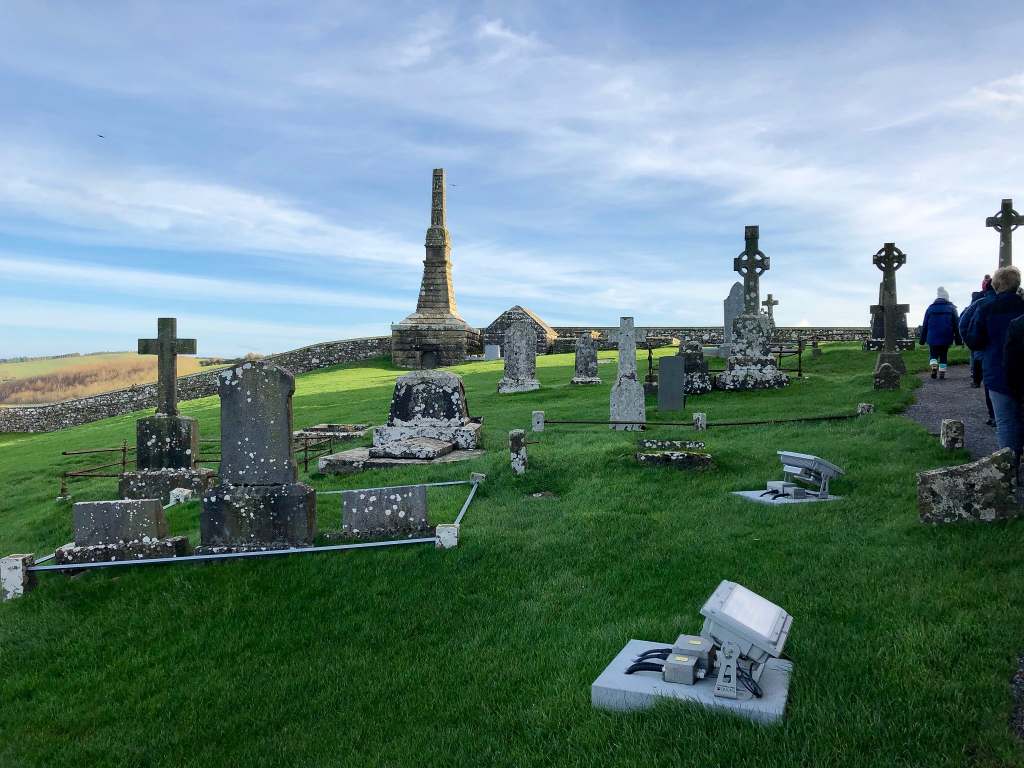
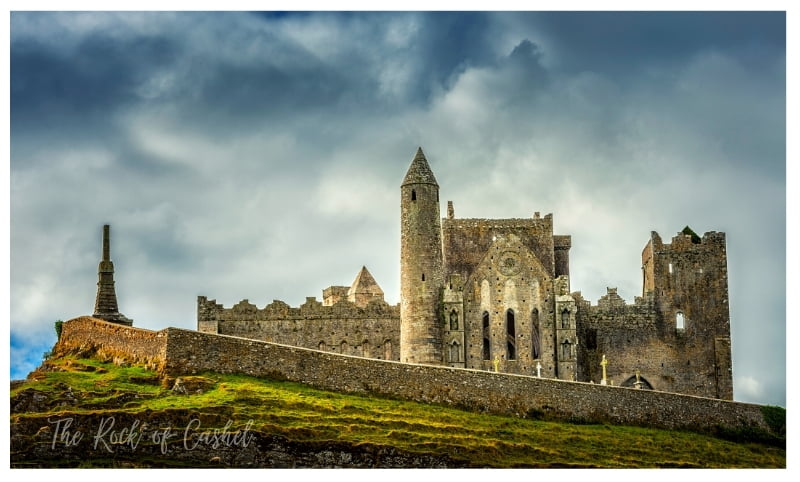
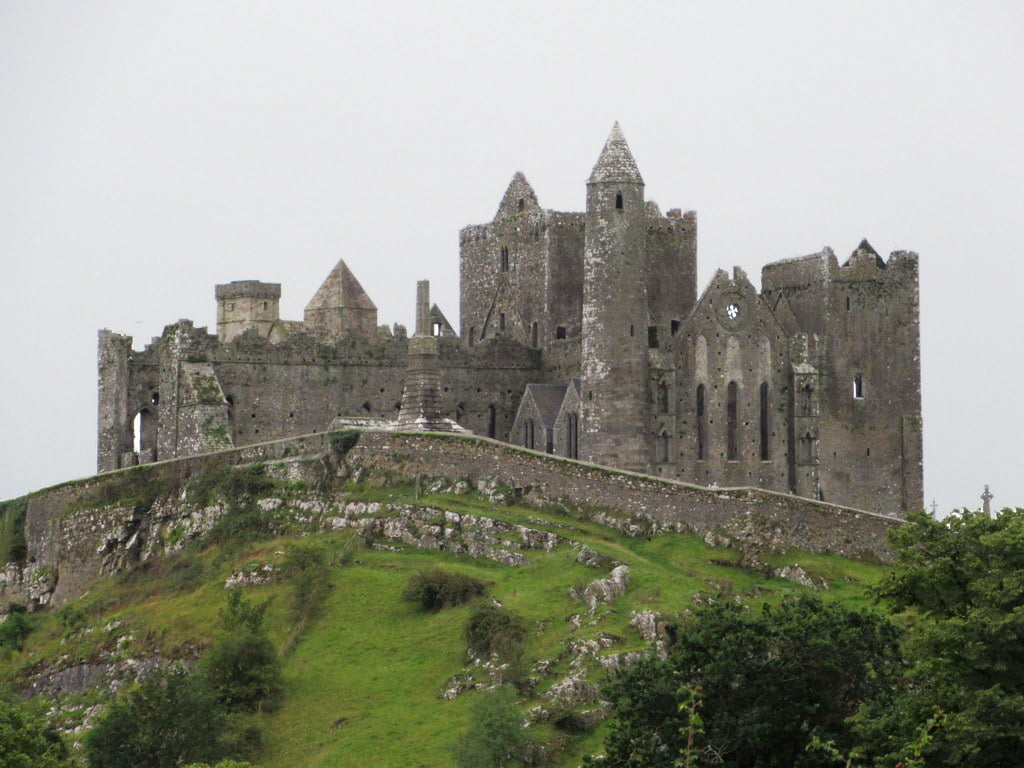
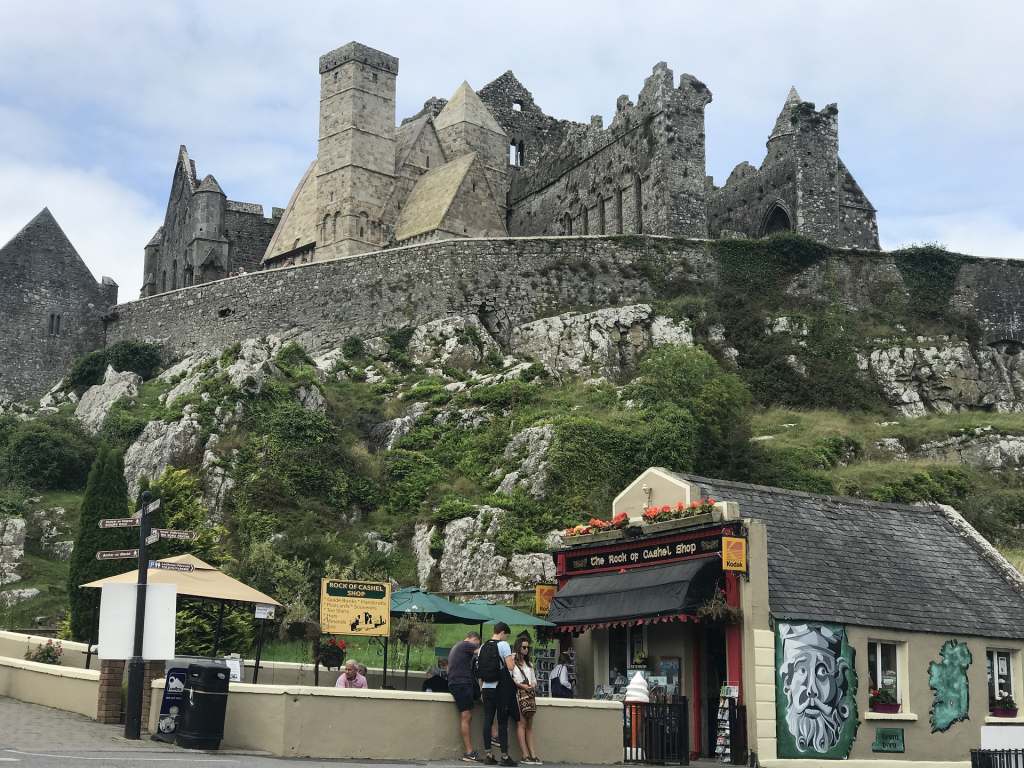
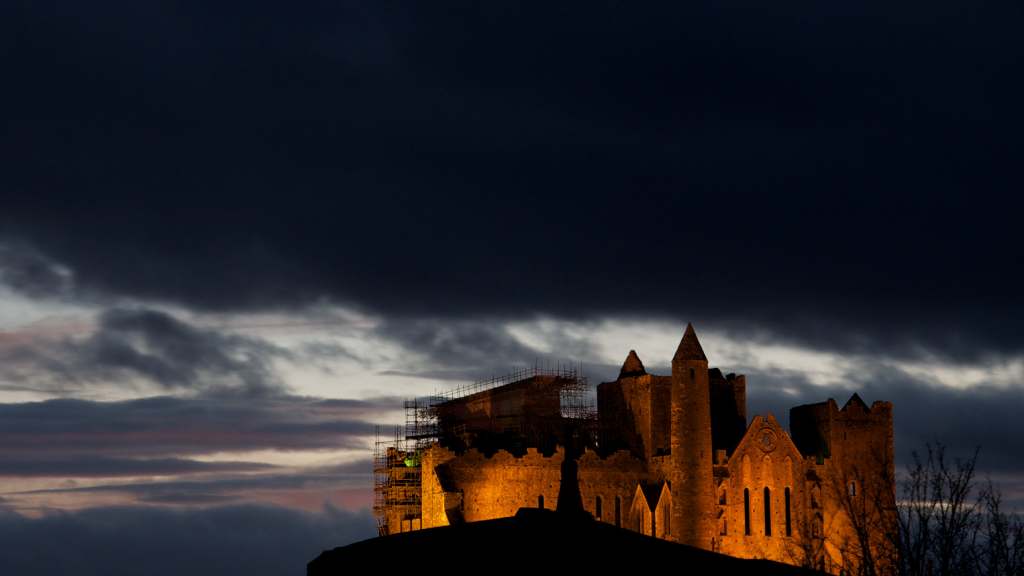
The Rock of Cashel is Ireland’s most dramatic surviving cluster of medieval buildings. Set on a limestone outcrop above the Golden Vale in County Tipperary, it combines the remains of a royal stronghold with a round tower, Romanesque chapel, Gothic cathedral, vicars’ hall and later tower house.
The site began as a seat of the kings of Munster. In 1101 it was granted to the church, after which Cashel developed into one of medieval Ireland’s most important ecclesiastical centres.
The Rock is therefore more than a castle: it is a layered monument to Irish kingship, Christianity, architecture and conflict.
The Rock of Cashel is not one castle but an extraordinary medieval complex where royal power gave way to ecclesiastical authority.
Frequently Asked Questions
The Rock of Cashel rises above the town of Cashel in County Tipperary, Ireland. Its official address is St. Patrick’s Rock of Cashel, Cashel, Co. Tipperary, E25 KX44.
It is a fortified medieval religious and royal complex rather than a single castle. The surviving monuments include a round tower, Cormac’s Chapel, a Gothic cathedral, the Hall of the Vicars Choral and a tower house.
The round tower, generally dated to around 1100, is the oldest surviving structure. Cormac’s Chapel followed in the 12th century and the cathedral in the 13th century.
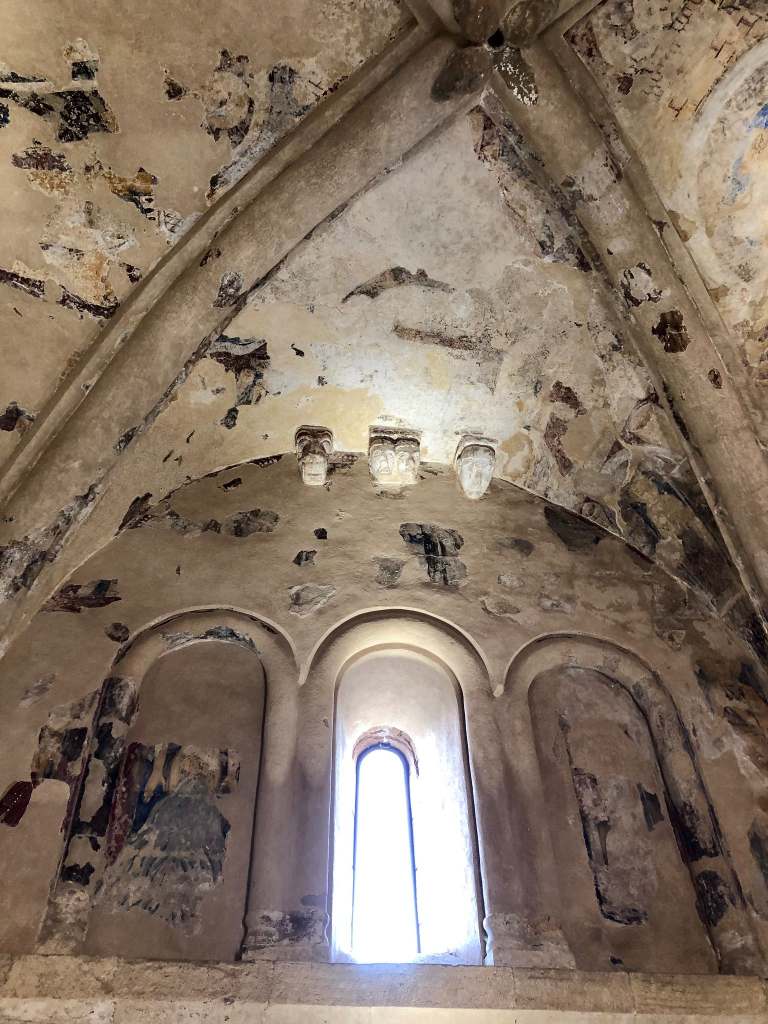
Yes, but the chapel interior is available only on a guided tour. Tickets are limited and sold at the site, and tour times can change because of weather or conservation work.
FOR HISTORY | BEAUTIFUL IMAGES | INTERESTING FACTS | TRAVEL TIPS
History of the Rock of Cashel
A Royal Centre in Munster
Long before the surviving stone churches were built, the Rock served as a centre of royal power in Munster. Tradition connects Saint Patrick with the conversion of King Aenghus here, while Heritage Ireland records that Brian Boru was crowned High King at Cashel in 978 and made it his capital.
The Grant to the Church
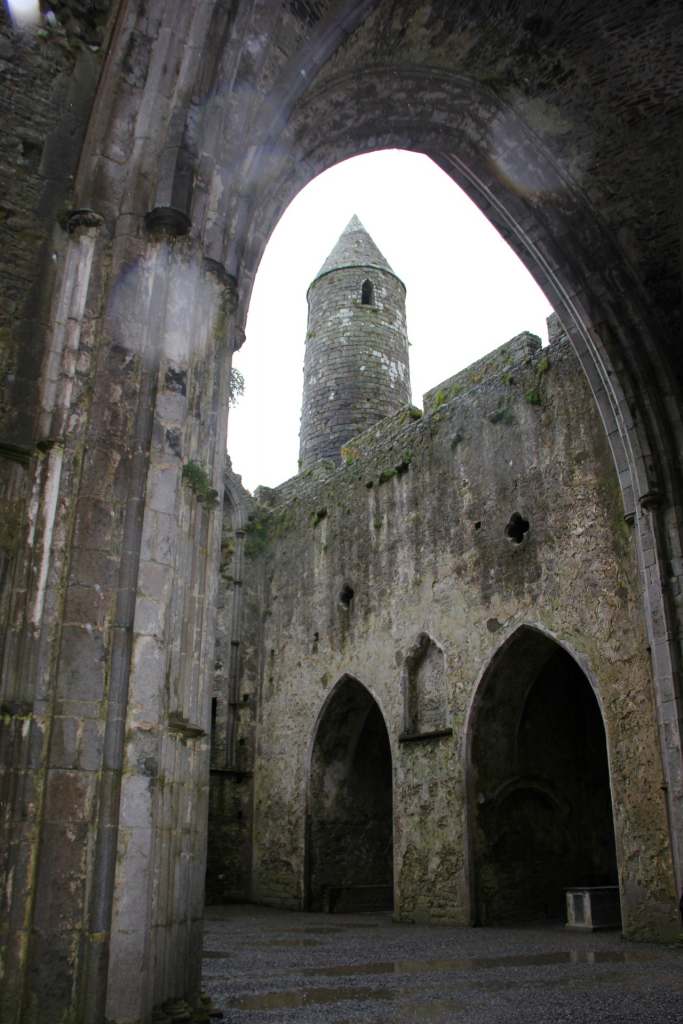
In 1101, Muirchertach Ua Briain granted the Rock of Cashel to the church. This transfer reduced its role as a royal seat and established the hill as a major ecclesiastical centre. The round tower, dating to around 1100, is the oldest surviving structure from this transformation.
Cormac’s Chapel was consecrated in 1134. Its sophisticated Romanesque architecture and rare wall paintings make it the artistic highlight of the complex. The larger Gothic cathedral was built mainly in the 13th century as Cashel’s religious importance increased.
Cathedral, Vicars and Fortification
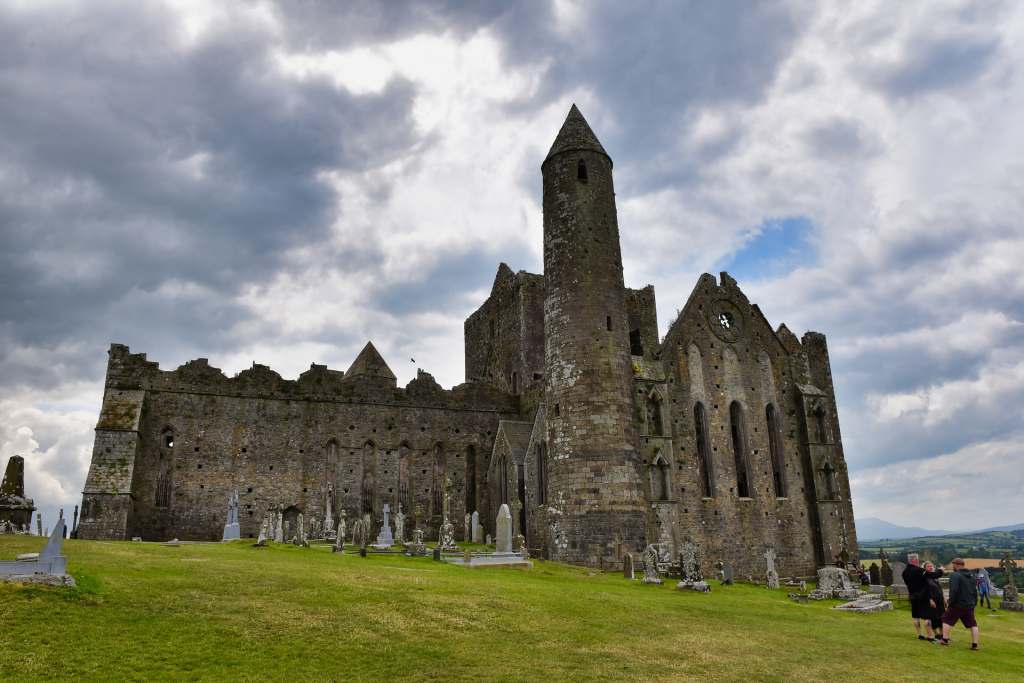
The cathedral, crossing tower and surrounding buildings created a powerful church precinct, while the Hall of the Vicars Choral housed the clergy who assisted with cathedral services. A 15th-century tower house added a more explicitly defensive residential element to the enclosure.
The Rock remained entangled in Irish political conflict. The cathedral was damaged by fire in 1494, and in 1647 forces commanded by Murrough O’Brien, Lord Inchiquin, captured Cashel. Defenders and civilians sheltering around the cathedral were killed, although historical accounts differ sharply over the number of casualties.
From Cathedral to National Monument
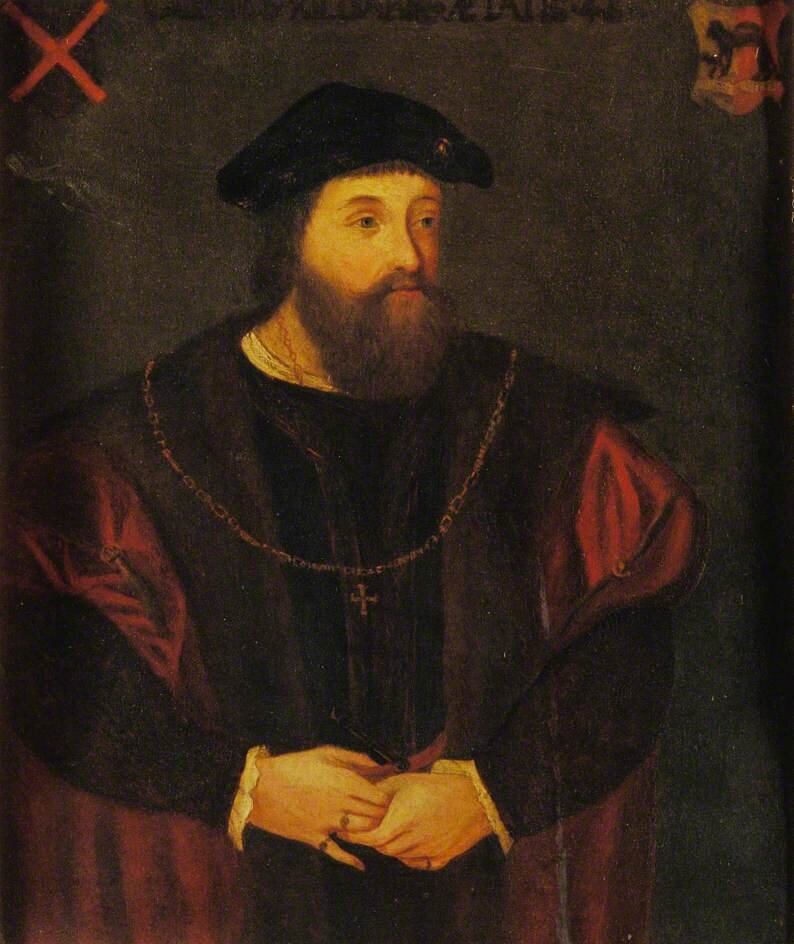
The cathedral ceased to function as Cashel’s principal place of worship in the 18th century. Later conservation by the Office of Public Works stabilised the ruins and opened the complex to visitors, preserving the distinctive skyline without reconstructing it as a complete building.
Revisit More Historic Places Below or Read Further
The Rock of Cashel Today
Today the Rock of Cashel is managed by Ireland’s Office of Public Works and is open throughout most of the year. Visitors can explore the cathedral ruins, round tower, cemetery and Hall of the Vicars Choral, while entry to Cormac’s Chapel is controlled through limited guided tours.
The exposed location creates panoramic views across County Tipperary but also makes the monument vulnerable to sudden weather closures. Conservation work and chapel-tour arrangements can alter access, which is why the official visitor page should be checked shortly before arrival.
For more historic sites nearby, see our guide to the best castles to visit in Ireland.
Interesting Rock of Cashel Facts
- The site was a royal centre of the kings of Munster before it became an ecclesiastical complex.
- Brian Boru was crowned High King at Cashel in 978, according to Heritage Ireland.
- The Rock was granted to the church in 1101.
- Cormac’s Chapel contains Ireland’s only surviving Romanesque frescoes.
- The complex includes a round tower, high cross, Romanesque chapel, Gothic cathedral, abbey, vicars’ hall and tower house.
- Queen Elizabeth II visited the Rock of Cashel during her state visit to Ireland in 2011.
- In folklore, the limestone outcrop is linked to the Devil’s Bit and Saint Patrick.
Visiting the Rock of Cashel: Practical Information
Getting to the Rock of Cashel
A public car park is close to the site. By bus, Heritage Ireland recommends services to Cashel followed by a roughly 500-metre walk from the town centre. Thurles is the nearest railway station, so train travellers need an onward bus or taxi connection.
Opening Times, Tickets and Tours
The site is open year-round except for closures over 24–26 December, with longer hours from mid-March to mid-October. General admission can be booked online, but the limited Cormac’s Chapel interior tickets are sold only at the site. Guided-tour times can change at short notice.
How Long Should You Spend at the Rock of Cashel?
Heritage Ireland gives an average visit length of one to one and a half hours. Allow closer to two hours if you join a guided tour, spend time in Cormac’s Chapel or walk down to nearby Hore Abbey.
The Rock of Cashel is exposed to severe weather and can close at short notice. Cormac’s Chapel tours are limited and may change because of weather or conservation work. Check the official Heritage Ireland visitor page before travelling.
Practical Tips
- Bring a windproof or waterproof layer: the exposed hilltop can be much colder than the town below.
- Wear shoes suited to uneven stone paths and steps.
- Arrive early if a Cormac’s Chapel tour is important to you.
- Combine the visit with Cahir Castle, about 16 km away, or walk to Hore Abbey below the Rock.
- Assistance dogs are permitted, but other animals are restricted.
Quick Video Tour of the Rock of Cashel